WHEN THE CALL COMES: PREPARING FOR A NONCOMBATANT EVACUATION OPERATION
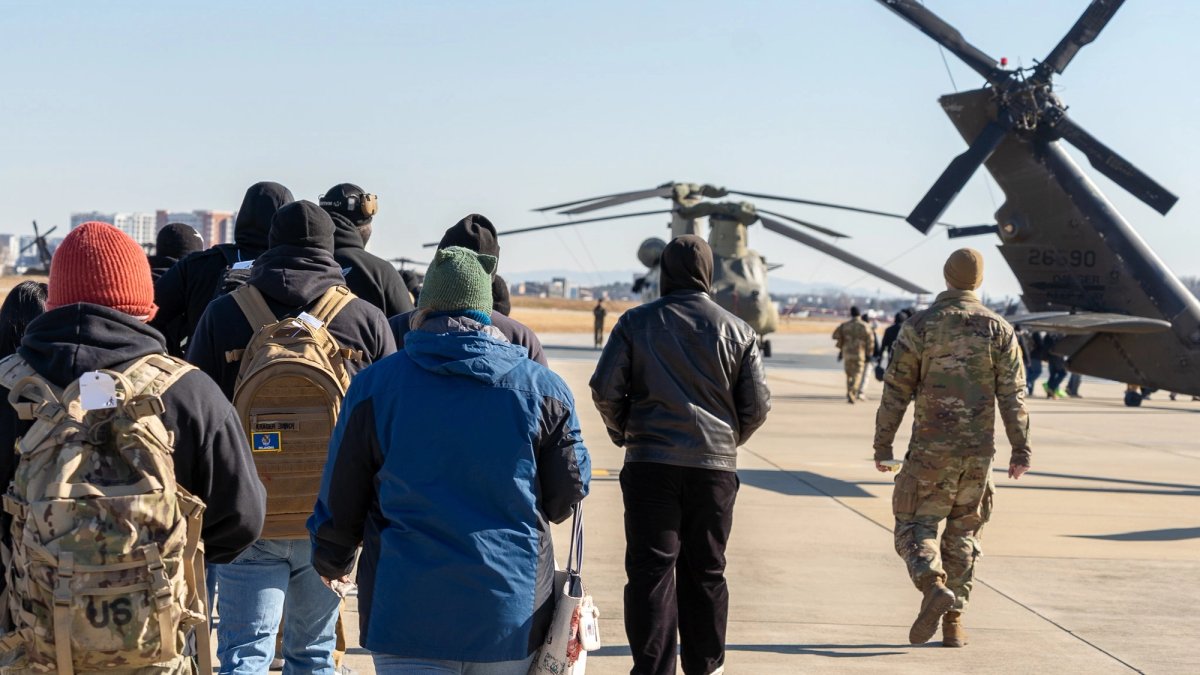
Most military families have heard the term Noncombatant Evacuation Operation, or NEO, and it can sound dramatic. At its core, however, it is not about fear. It is about planning ahead so you and your loved ones are ready if circumstances overseas suddenly change.
By definition, a NEO is the ordered (mandatory) or authorized (voluntary) departure of U.S. citizens, dependents, and designated noncombatants from an overseas location to a safe haven when conditions deteriorate, whether due to civil unrest, natural disaster, or other crises. The Department of Defense describes NEOs in Joint Publication 3-68 as operations conducted to assist the Department of State in evacuating civilians from foreign countries when their lives are endangered by war, civil unrest, or disaster.
A good example is USFK Pamphlet 600-300 Noncombatant Emergency Evacuation Instructions, but there are others, including U.S. Marine Corps NEO guidance from the official ready.marines.mil, and of course, each base will have its own NEO guidance implementing the command’s policies and tailored to comply with the Host Nation’s requirements.
Military families have experienced this before. Families were evacuated from the Philippines after the 1991 eruption of Mount Pinatubo, from Japan following the 2011 tsunami, and more recently from locations in the Gulf region as tensions escalated. These operations were structured and deliberate, even when the circumstances were not.
Even in the United States, military families may have to evacuate on short notice. In 2012, the Waldo Canyon Fire threatened the U.S. Air Force Academy, and the installation commander ordered the base evacuated. Not every detail below will apply to a stateside emergency, but the discipline of thinking through what you would do - and what you would take - is useful for any military family, no matter where you live.

Know What a NEO Is - and What It Is Not
A NEO is not an impromptu sprint to the airport. It is a planned operation with defined phases: information, announcement, assembly, processing, and movement. Installations routinely rehearse these procedures. Many overseas commands conduct periodic NEO exercises so families understand what to expect.
If it is an official NEO, it will be a coordinated effort led by the U.S. Department of State, with assistance from the Department of Defense, to move U.S. government employees and their families to safety in an organized and accountable manner. In some cases, however, the call may come as a strong recommendation or authorized departure rather than a formal evacuation order. Either way, preparation matters.
Maintain Accurate Entry and Contact Information
The first step is simple but essential: keep your contact information current with your unit and installation. Commands typically use multiple communication channels - official alert systems, Key Spouse networks, email lists, social media pages, and sometimes personal notification - to reach families quickly.
Families overseas should also enroll in the U.S. Department of State’s Smart Traveler Enrollment Program (STEP). Enrollment allows the U.S. Embassy or Consulate to contact you during an emergency and provides access to security messages and travel advisories specific to your location. Information on STEP and personal preparedness is available at travel.state.gov.
Assemble a Go Binder of Essential Documents
When time is limited, digging through drawers is not an option. Create a waterproof folder, both physical and digital, that includes:
- Valid passports and SOFA documentation
- Certified copies of birth certificates and marriage certificates
- PCS orders and verification of sponsorship
- Insurance cards and prescription information
- Emergency contact information for your unit, embassy, and stateside family
Maintain secure digital copies that can be accessed online. A thumb drive is helpful, but cloud access may be more practical if you need to transmit documentation quickly to embassy staff or host-nation officials.
In some situations, the ability to email a copy of a passport or birth certificate can prevent delays at a processing center or airport.
Prepare a 72-Hour Go Bag
Ideally, it is packed in advance. For some, maintaining a packed bag will not be practical. Families in this situation should keep a dedicated bag and checklist ready so they can pack quickly. Include:
- Three days of essential clothing
- Medications and copies of prescriptions
- Chargers, power banks, and critical electronics
- Copies of documents from your Go Binder
- Snacks and comfort items for children
- Basic hygiene items, wet wipes, zip-top bags, and a small first aid kit
Installation NEO guidance consistently emphasizes minimal baggage and mobility. You may be carrying everything you bring. Pack what you need, and only what you need.

Establish a Communication Plan
Cell networks can be overwhelmed during crises. Experience shows that while voice calls may fail when the system is saturated, text messages, messaging apps, and email often still transmit.
Discuss and agree in advance on:
- A designated family point of contact in the United States
- A sequence of preferred communication methods
- A rally point on base if separated, and phones are not working
“Chair flying” and even practicing it reduces stress. Time spent thinking through it ahead of time will make it easier if you ever have to do it.
Include Pets and Special Needs in Planning
Do not assume pets or special medical needs will be automatically accommodated. State Department emergency preparedness guidance encourages families to plan for pets and unique medical requirements in advance.
In some evacuations, pets are authorized. In others, they are not. Identify trusted friends or host-nation contacts who could care for animals if necessary. Ensure medical documentation, medication supplies, and special equipment are accounted for in your planning.
Practice the Mindset, Not Panic
Children take their emotional cues from their parents. Treat this as a fire drill, not a catastrophe.
Many overseas commands even conduct NEO exercises precisely so families know what to expect. It is appropriate to tell a child when you do not have all the answers. Follow that honesty with reassurance: you are together, and you will take care of them.
Older children can be given age-appropriate responsibilities, such as managing their own small bag or helping double-check documents. Delegating tasks provides a sense of control and stability during uncertainty.
Stay Informed of Local Conditions
Travel advisories and embassy alerts exist for a reason. They provide early warning so families can make informed decisions about authorized departures before conditions worsen.
Maintaining situational awareness and conducting yourself calmly in public also matters. Sudden visible panic can draw attention in host nations during periods of tension. A low, steady profile helps keep movement smooth and professional.
Understand What Happens After a NEO Begins
Once a NEO is ordered, families are typically assigned a processing time and directed to an evacuation control center. The process resembles deployment processing: documentation is verified, travel authorizations are issued, and transportation is assigned.
Movement may occur by military aircraft, commercial charter, ship, or ground transportation, depending on the situation. The process is structured to ensure accountability and orderly movement.
Reassurance and Readiness
A NEO is a tool - a planned, coordinated response to protect U.S. citizens when circumstances overseas become risky. Its effectiveness depends in part on how well families understand and prepare for its use.
You cannot anticipate every contingency. But you can control your documentation, your packing, your communication plan, and your mindset. For military families overseas, that preparation is simply another expression of readiness - one that supports your service member and protects the people who matter most.
Suggested reads:
Join the Conversation

Mickey Addison
Military Affairs Analyst at MyBaseGuide
Mickey Addison is a retired U.S. Air Force colonel and former defense consultant with over 30 years of experience leading operational, engineering, and joint organizations. After military service, h...
Mickey Addison is a retired U.S. Air Force colonel and former defense consultant with over 30 years of experience leading operational, engineering, and joint organizations. After military service, h...
Credentials
- PMP
- MSCE
Expertise
- defense policy
- infrastructure management
- political-military affairs
SHARE: