2026 Brings New Air Force Dress Uniforms and a Sharper Image

A new year brings a new era for Air Force standards. After months of debate, the U.S. Air Force has officially rolled back controversial patch bans and clarified a host of dress and appearance guidelines. In an effort to streamline and simplify attire guidelines, the United States Air Force released new plans for updated uniform policies. These changes, which were brought forth by way of an update to DAFI 36-2903, a memorandum “Dress and Personal Appearance of Department of the Air Force Personnel,” are fairly lengthy and robust. We’ve broken the key elements of the changes down for you here in an easy-to-digest and understandable fashion.
An Updated Revision
In early 2026, the U.S. Air Force released updated guidance to clarify and revise dress, uniform, and appearance standards under Department of the Air Force Instruction (DAFI) 36-2903, which is the principal regulation governing uniforms and personal appearance for Airmen.
The changes reflect evolving priorities around professionalism, discipline, safety, and heritage while aiming to reduce ambiguity in standards and enhance uniformity across the force.

What's Changed?
Reinstatement of Duty Identifier Patches
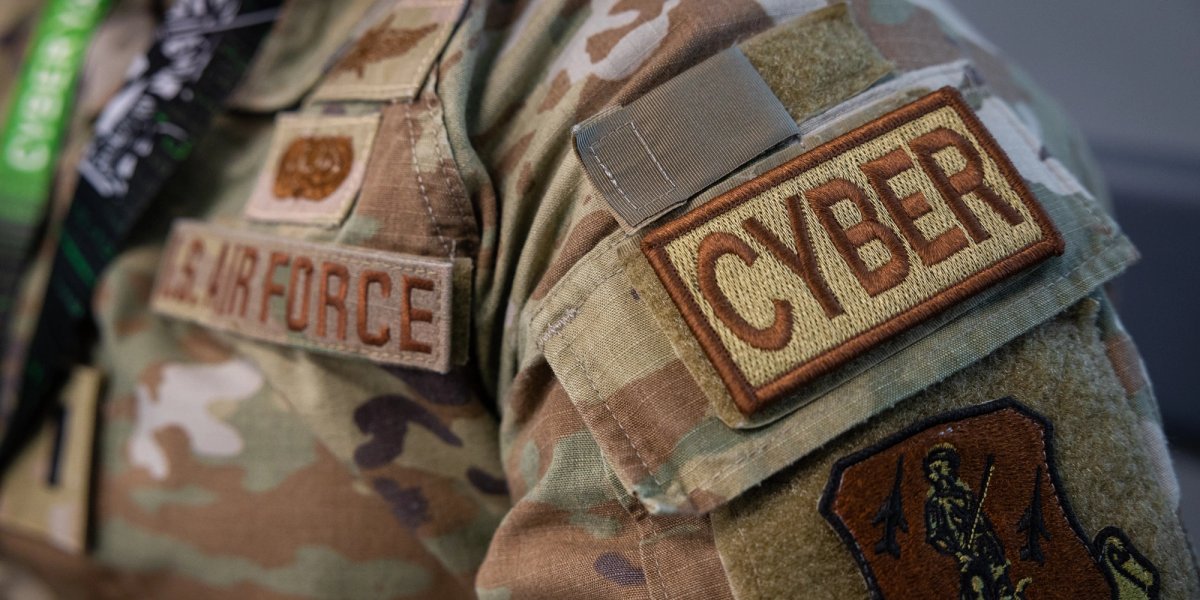
One of the most notable updates in the 2026 guidance is the return of duty identifier patches on uniforms. These patches, which were dropped from uniform regulations by former CSAF Gen. David Allvin, have been re-authorized and reinstated to reflect an Airman’s career specialty and contribution to mission success.
The announcement made waves across the force, particularly after Chief Master Sergeant of the Air Force (CMSAF) David Wolfe appeared in a viral video, reattaching a patch onto his Velcro and declaring, "THEY'RE BACK, BABY!"
“I've decided to bring duty identifier patches back because the Air Force is made up of many different specialties, each with a unique role in our mission to generate airpower,” shared Air Force Chief of Staff Ken Wilsbach. “We are a unified force working together to win.”
The Air Force has prescribed precise wear rules and a list of approved patches and qualification tabs to maintain uniformity and professionalism.
Camouflage and Duty Uniform Requirements
While a July 2025 memorandum required all officers to maintain a full set of the OCP uniform, the January 2026 guidance refines this: only officers whose duties and mission require OCP wear must maintain a complete set.
This change aligns uniform expectations with functional requirements rather than residency in any specific career field.
Consolidated 2025 Grooming and Personal Standards Guidelines
It is important to note that the January 2026 update also officially consolidates several rules that were initially implemented in 2025.
For example, the Air Force updated its grooming standards by removing general authorization for eyelash extensions in July 2025. Extensions are now only permissible for documented medical reasons. This move emphasizes a professional and uniform look in line with traditional military standards.
Equipment and Accessory Standards
These boots are made for… uniformity! The updated guidance actually now specifies minimum height standards for combat boots (between 6 and 12 inches), ensuring uniformity and safety in operational footwear. This specific boot rule was first rolled out in October 2025 and is now officially codified in the new DAFI.
Additionally, the use of earbuds, headphones, or Bluetooth devices while in uniform is restricted to official duties, but “exceptions include […] during travel on public transportation and while wearing the physical fitness gear during individual or personal PT.”
Crucially for 2026, the update explicitly bans the wear of smart glasses with AI, photo, or video recording capabilities while in uniform.

General Appearance Clarifications
The updated DAFI guidance also includes added visuals to reduce subjective interpretation and reinforce consistent standards. Additionally, pages 41-45 stipulate and clarify many personal appearance rules, such as:
- Tattoo placement and acceptable designs
- Hair standards for male and female Airmen
- Nail polish color limits (e.g., clear, French, or American manicure)
- Specific badge and insignia placement rules
- Wear of religious accommodation items
- Clarifications on cold-weather accessories, bags, and backpacks
(Note: Some restrictions, such as nail polish options, reflect policies that were tightened in 2025 and simply consolidated here.)
Why These Changes Matter & Looking Ahead
The Air Force has reiterated that these sweeping changes are important in order to reinforce discipline, professionalism, and esprit de corps, ensure standardized presentation amongst global assignments, reflect modernization and lessons learned from service members’ experiences, and last but not least, provide clear guidance in order to reduce misinterpretation amongst personnel and their leadership.
The 2026 overhaul of Air Force uniforms is very much a fluid series of changes that will be revisited routinely. Service branches at large will surely continue to revamp their dress codes as needed throughout the years to come in an effort to reflect the current times and trends while keeping their service members comfortable, while they do what matters most: selflessly serve our great nation.
Continue Reading
Space Force Confirms New PT Uniform Deadline and Dress Uniform Rules in 2026
Space Force Unveils New Dress Uniforms: What Guardians Need to Know
What Every Airman Must Know About the Air Force’s 2026 Shaving Rules
Join the Conversation

Caitlin Horn
Military Spouse & Family Life Writer at MyBaseGuide
Caitlin Horn is an active-duty Navy spouse, mom of three, and a passionate voice for military family life. Drawing on her experience navigating deployments, relocations, and the unique challenges of r...
Caitlin Horn is an active-duty Navy spouse, mom of three, and a passionate voice for military family life. Drawing on her experience navigating deployments, relocations, and the unique challenges of r...
Credentials
- Active-duty Navy Spouse
- Mother of three
- Business development leader
Expertise
- Military Family Life
- Military Spouse Issues
- Parenting in Military
SHARE: