Gerald R. Ford Returns Home After Breaking the Navy’s Longest Deployment Record

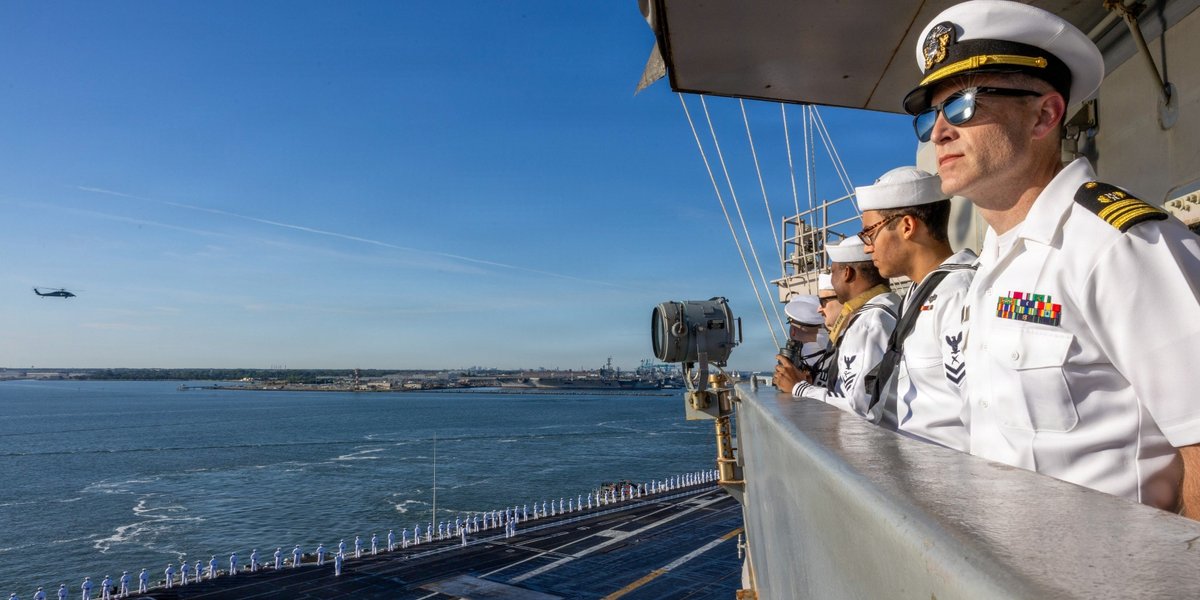
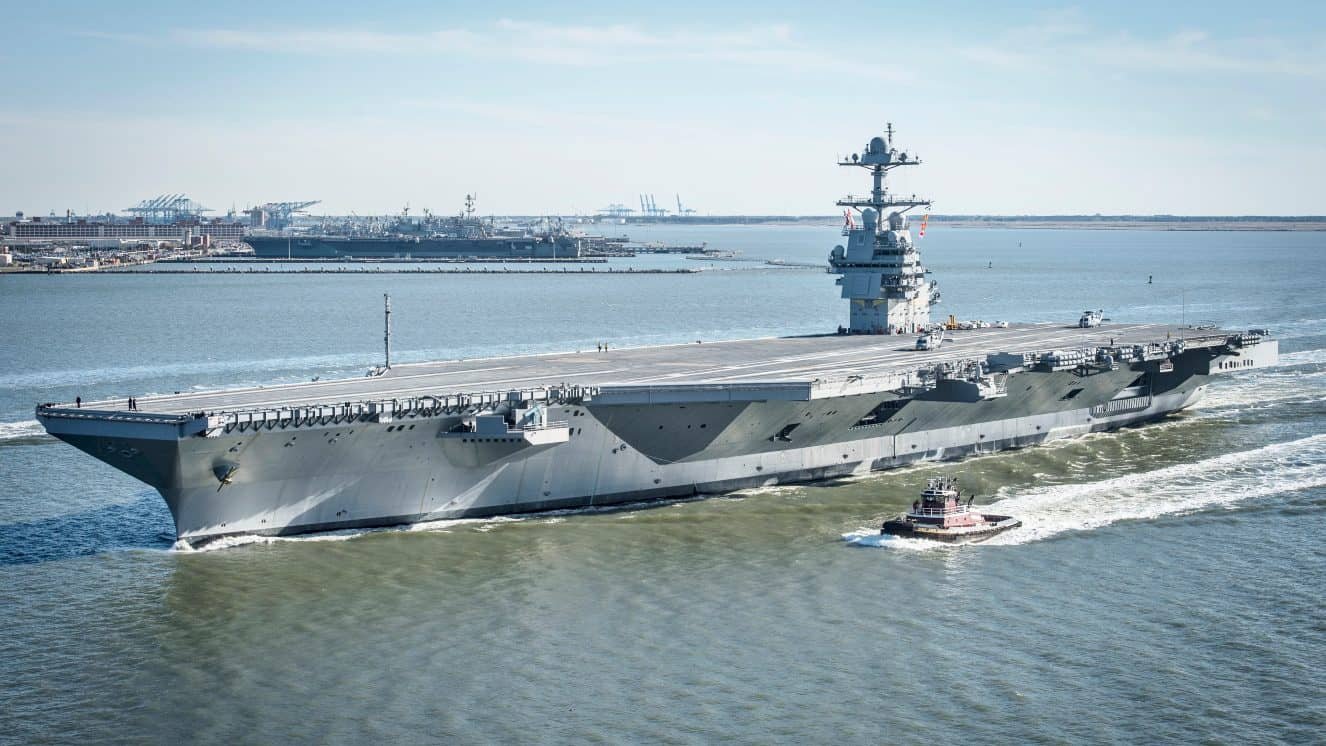
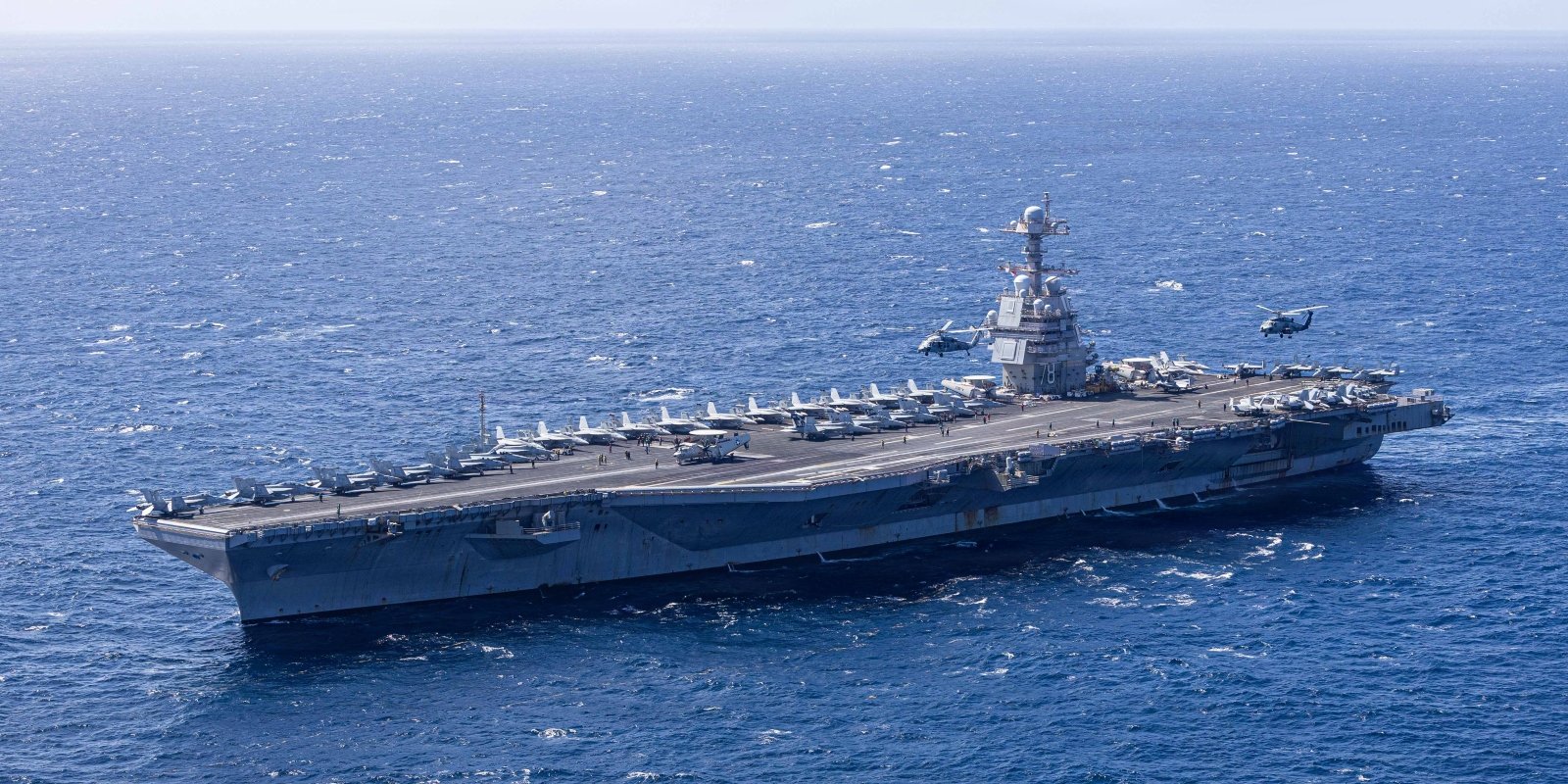
As the most advanced aircraft carrier in the world, the USS Gerald R. Ford (CVN-78) is often a centerpiece of America’s military operations overseas. On Saturday, May 16, 2026, the carrier and its accompanying strike group officially returned to Naval Station Norfolk, Virginia, closing the book on an exhausting and historic deployment.
For the Sailors and Naval Aviators who steadfastly carried out vital missions (including combat operations, deterrence patrols, and joint exercises with allied forces), the return home marked the end of an extraordinary 326 consecutive days at sea.
This milestone underscores the massive demands being placed on American naval forces in an increasingly volatile global environment.

Breaking the Modern Deployment Record
To understand the significance of the Ford’s extended deployment, it is worth revisiting the Navy's historical records. In the decades since the Vietnam War, the Navy has generally sought to avoid prolonged deployments to limit the strain on Sailors, families, and equipment. Advances in logistics and an emphasis on crew readiness usually encourage a more predictable rotation of ships.
Yet, unpredictable global conflicts occasionally push deployments to uncomfortable lengths. With its 326-day mission, the Ford officially shattered the modern, non-pandemic deployment record previously held by the USS Abraham Lincoln.
To put this extraordinary endurance into perspective, the Ford's mission fell just one day short of the USS Midway's 327-day deployment during the Vietnam War in 1972–1973, which remains the highest post-WWII mark under normal operational conditions.
The Geographic Scope: From Venezuela to Iran
The Ford began its deployment in late June 2025, departing Norfolk for operations across multiple theaters.
Initially operating in Atlantic and European waters, the sheer geographic scope of its mission quickly expanded in response to rapidly shifting geopolitical conditions.
- The Caribbean Crisis: In November 2025, the strike group was repositioned to the Caribbean as part of a massive naval buildup. The carrier provided critical oversight and support during the operations that culminated in the capture of former Venezuelan president Nicolás Maduro.
- Operation Epic Fury: As tensions escalated in the Middle East, the Ford steamed into the Mediterranean in February 2026. Her role expanded as the U.S. began active operations against Iran. Under Operation Epic Fury, the Ford played a direct part in flying deterrence patrols, intelligence gathering, and contributing to the aerial bombardment of Iranian capabilities.
The Toll of the Sea and the March 12th Fire
Long deployments inevitably place a strain on both equipment and personnel. Even under ideal conditions, the maintenance demands of a nuclear-powered aircraft carrier are immense. The Ford, which has occasionally made headlines for system reliability issues, faced severe real-world tests on this cruise.
On March 12, 2026, one of the most terrifying incidents a ship at sea can face occurred: a major fire broke out in a laundry area aboard the carrier.
The blaze injured multiple Sailors and ultimately displaced more than 600 crew members from their sleeping berths.
After the fire was contained, the ship made urgent port calls in Souda Bay, Crete, and Split, Croatia, to assess and repair the damage before returning to the fight and, eventually, heading home.

Relief and Recognition
The deployment of the USS George H. W. Bush to the region serves as a much-needed relief for the Ford, allowing the Navy to maintain a continuous carrier presence in the Middle East. This rotation is standard Navy practice, allowing one strike group to assume responsibility while another returns for maintenance and crew rest.
The arrival of the Bush reflects a broader reality: the United States continues to rely heavily on its finite carrier fleet to manage global crises, making prolonged deployments an unavoidable reality of modern naval power.
However, the sacrifices of the Ford's crew have not gone unnoticed. Upon their arrival in Norfolk, Defense Secretary Pete Hegseth was on hand to award the Ford Carrier Strike Group the Presidential Unit Citation—a fitting capstone to an 11-month mission where advanced technology, strategic necessity, and human endurance intersected to make history.
Continue Reading
USS Gerald Ford: World's Most Advanced Aircraft Carrier Is Coming Home
The Navy’s Most Advanced Warship Has a Surprisingly Basic Problem: Its Toilets

Fire Aboard USS Gerald R. Ford: What Happened and How to Help
Join the Conversation

Michael Madrid
Military News & Gear Specialist at MyBaseGuide
Michael Madrid is a dedicated writer whose reporting brings clarity and authenticity to the stories of military members and their families. Having grown up in the shadow of Fort Bliss as the son of ...
Michael Madrid is a dedicated writer whose reporting brings clarity and authenticity to the stories of military members and their families. Having grown up in the shadow of Fort Bliss as the son of ...
Expertise
- Military News
- Military History
- Tactical Gear
SHARE: