Are Military MREs Toxic? What a 40-Sample Test Found and What Science Shows

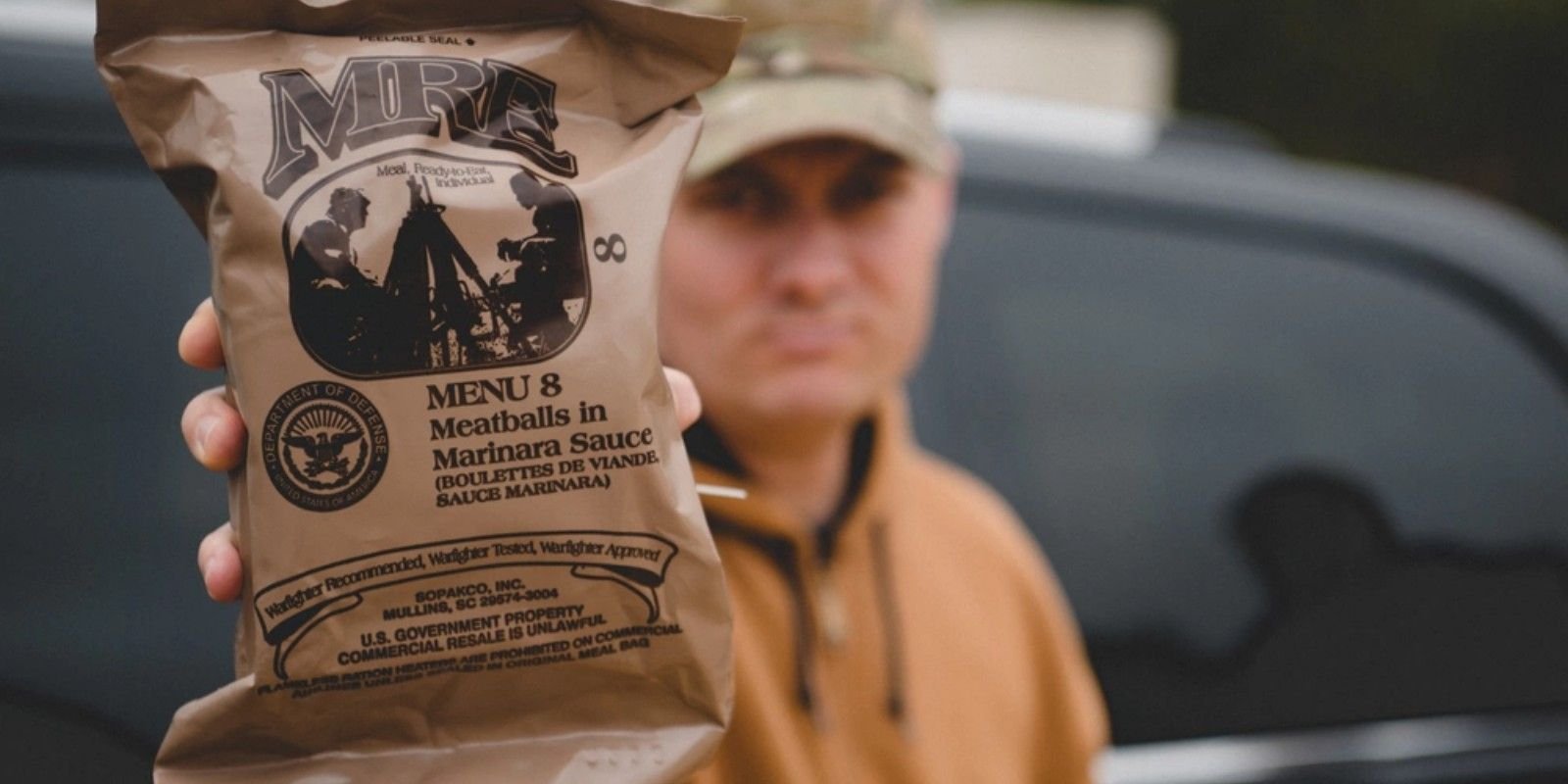
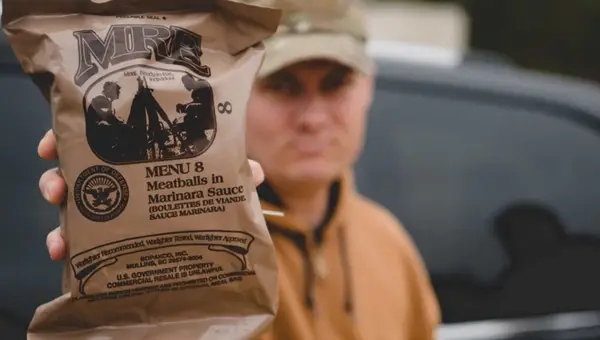
In early 2026, laboratory testing of a small number of military food samples, specifically, a limited sample set that included components of Meals Ready-to-Eat (MRE), began circulating online. Catching the attention of social media influencers, the limited-source information came with a sharp conclusion that military meals contain toxic chemicals.
First, let’s take a look at where the source information came from. The dataset, released by Moms Across America, with the support of the Children’s Health Defense Military Chapter and Centner Academy, reported laboratory detections of pesticide residues, heavy metals, and trace veterinary drug compounds in some samples. The testing reflected single-point sampling only. Within days, nuance collapsed, and “detection” quickly became “danger.”
To interpret the data’s implications, it’s important to consider not only the results themselves but also the broader regulatory systems these military meals pass through before reaching service members.
What Was Tested and What Was Not
The published dataset included only 40 items in total: 24 MRE components and 16 cafeteria meal items, collected from six U.S. military installations. Laboratory spreadsheets listed chemical detections measured primarily in parts-per-billion concentrations. Reported substances included agricultural residues such as glyphosate, trace heavy metals including arsenic and cadmium, and veterinary drug compounds used in livestock production.
The report did not include full sampling methodology, laboratory accreditation documentation, lot traceability data, or exposure modeling. It does not specify whether samples were randomly selected or statistically representative.
The laboratory findings reported in the dataset have not been independently verified by federal agencies or academic research institutions. Without replication or validation, the data cannot show whether the detections are isolated or widespread.

Detection Does Not Equal Toxicity
Trace chemical residues were detected in some samples. That fact alone does not determine health risk. Federal monitoring programs routinely detect low levels of pesticide residues in conventional food products. The results are evaluated against EPA tolerance limits, regulatory thresholds typically set far below levels shown to cause harm in toxicological studies. A detectable chemical presence does not automatically mean it exceeds federal safety standards.
Furthermore, when looking at reports of "heavy metals" like arsenic or aluminum, it is critical to understand that trace amounts of these elements naturally occur in soil and groundwater globally. Because of this, they inevitably make their way into agricultural products—whether those crops are grown conventionally or strictly organically.
The published dataset does not clearly demonstrate that the reported concentrations exceed the EPA-established tolerance limits for the specific foods tested. Risk depends on dose, frequency, and cumulative exposure. Scientists also note that understanding cumulative exposure across multiple environmental sources, including food, water, and air, remains an active area of continuing research.
The Scale Context
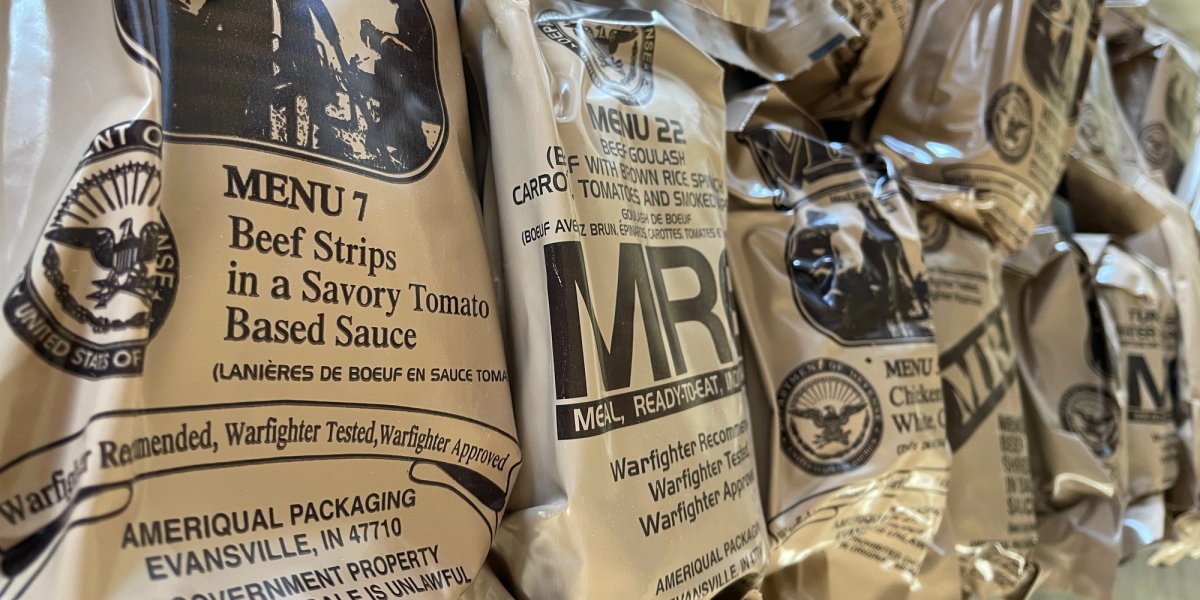
The Department of Defense distributes millions of MREs annually through multiple contractors, production lots, and supply chains. The advocacy testing, limited to only 40 sampled items, reflects a narrow scope.
Forty.
There is no publicly available documentation indicating statistical representativeness or multi-batch verification. In scientific terms, the dataset is a narrow snapshot, not evidence of system-wide conditions.

How Military Food Safety Is Monitored
Military rations move through several oversight layers before distribution. The Defense Logistics Agency Troop Support requires suppliers to comply with FDA and USDA safety standards. Contractors conduct lot-based testing and maintain quality assurance documentation.
The Army’s Natick Soldier Systems Center evaluates rations for shelf-life stability, packaging integrity, and safety under severe environmental conditions. Production also operates under Hazard Analysis and Critical Control Point (HACCP) preventive systems, widely used across commercial food manufacturing.
For those unfamiliar with the commercial food industry, HACCP is a rigorous, science-based management system that identifies and prevents biological, chemical, and physical hazards at every single stage of production, rather than just relying on inspecting the finished product.
If contamination concerns were substantiated, federal traceability investigations and recall procedures would apply. Regulatory safety limits are based on current toxicological evidence and are periodically revised as scientific understanding evolves.
What Federal Monitoring Shows
National surveillance programs provide a larger context. The USDA Pesticide Data Program tests thousands of food samples each year and consistently reports that more than 99 percent fall within EPA tolerance limits.
Residue detections are common across the larger food system. Regulatory exceedances are rare.
What This Means for Service Members
Based on currently available federal monitoring data, there is no evidence that standard-issue MREs present a widespread or demonstrated health risk. The limited advocacy dataset illustrates how quickly concern can escalate when raw laboratory detections circulate without regulatory comparison or exposure modeling, often penned by or in collaboration with special interest groups lobbying for causes that uplift the bills they support.
No public data shows military ration contamination is systemic. No independent large-scale replication of the advocacy findings has been conducted either. Until broader, transparent testing occurs, the findings raise questions, but they do not provide final answers or concrete conclusions.
Continue Reading
Exploring the Taste of Ready-to-Eat Military Meals
Join the Conversation

Natalie Oliverio
Veteran & Senior Contributor, Military News at MyBaseGuide
Natalie Oliverio is a Navy Veteran, journalist, and entrepreneur whose reporting brings clarity, compassion, and credibility to stories that matter most to military families. With more than 100 publis...
Natalie Oliverio is a Navy Veteran, journalist, and entrepreneur whose reporting brings clarity, compassion, and credibility to stories that matter most to military families. With more than 100 publis...
Credentials
- Navy Veteran
- 100+ published articles
- Veterati Mentor
Expertise
- Defense Policy
- Military News
- Veteran Affairs
SHARE: