Navy Chief Unveils New Fighting Instructions: An Important Change in How the Fleet Shows Up
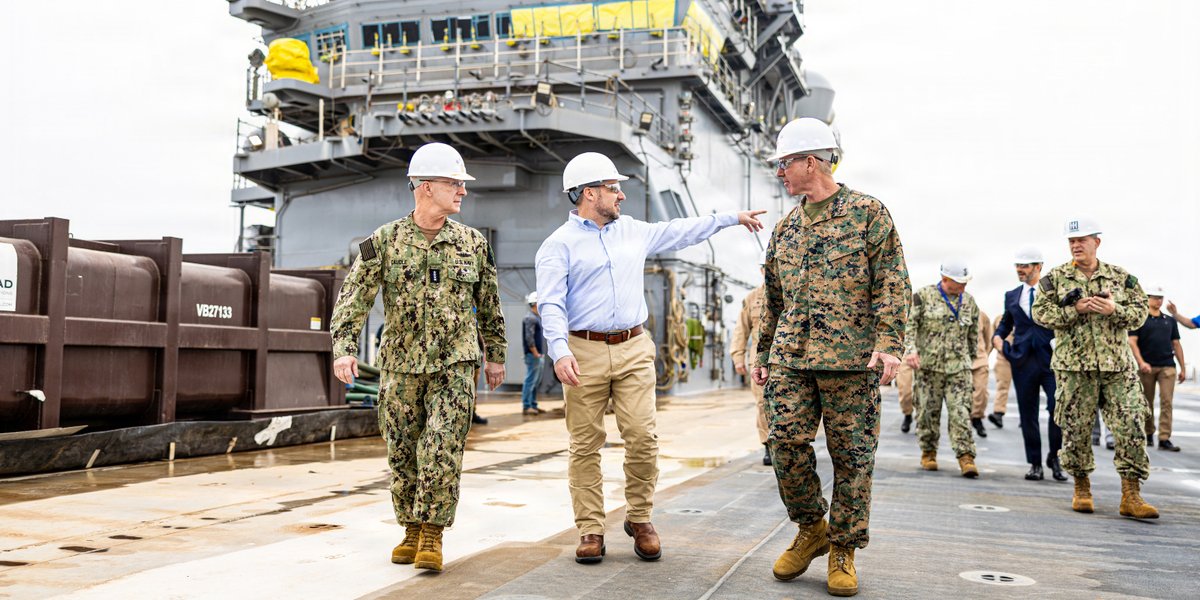
On February 9, 2026, the U.S. Navy released its new “Fighting Instructions.” The document details new organization, training, equipment, and operating plans to meet rising global competition, leaders said.
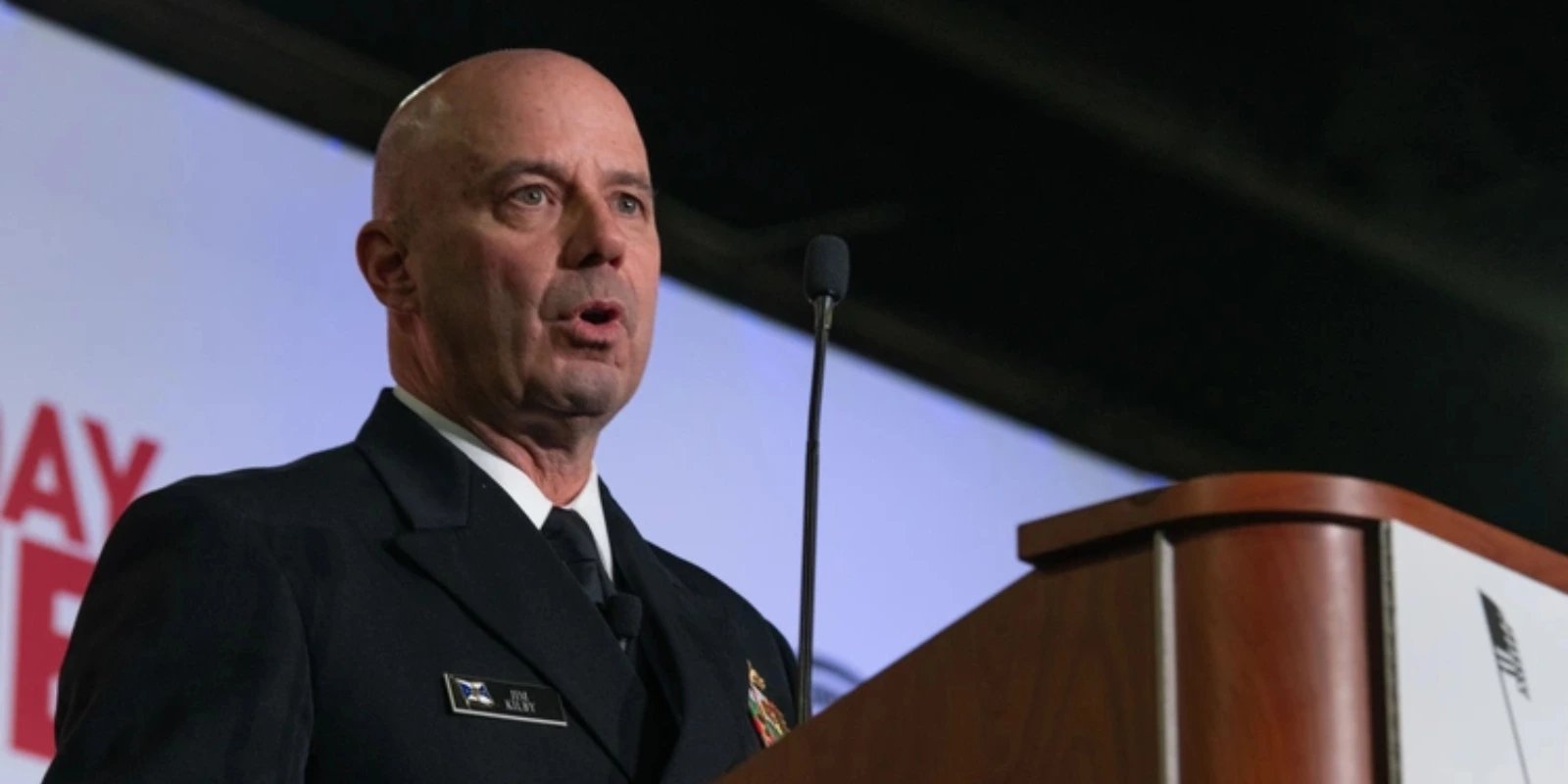
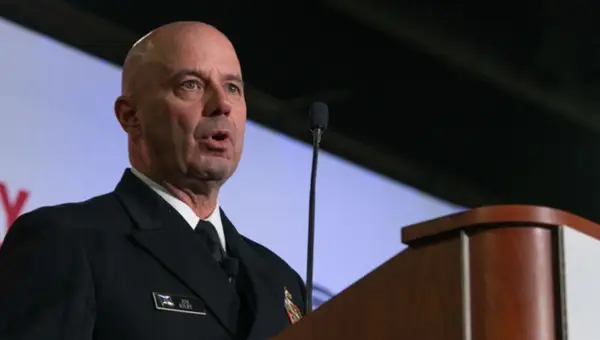
Admiral Daryl Caudle, Chief of Naval Operations, introduced the guidance at the U.S. Naval War College in Newport, Rhode Island.
In the official statement, Caudle explained the urgency behind the new directive:
“We find ourselves operating in an era with other Great Powers, an era in which the speed of decision ruthlessly punishes delay.”
This is not a war plan for one area, but guidance to keep the Navy relevant across many competitive fields.
What the “Hedge Strategy” Actually Changes
The core of the new guidance, the "Hedge Strategy," offers flexible, scalable force options to meet varied conflict needs. Instead of always using standard large groups, commanders are now encouraged to assemble mission-specific ships, aircraft, and support units as needed.
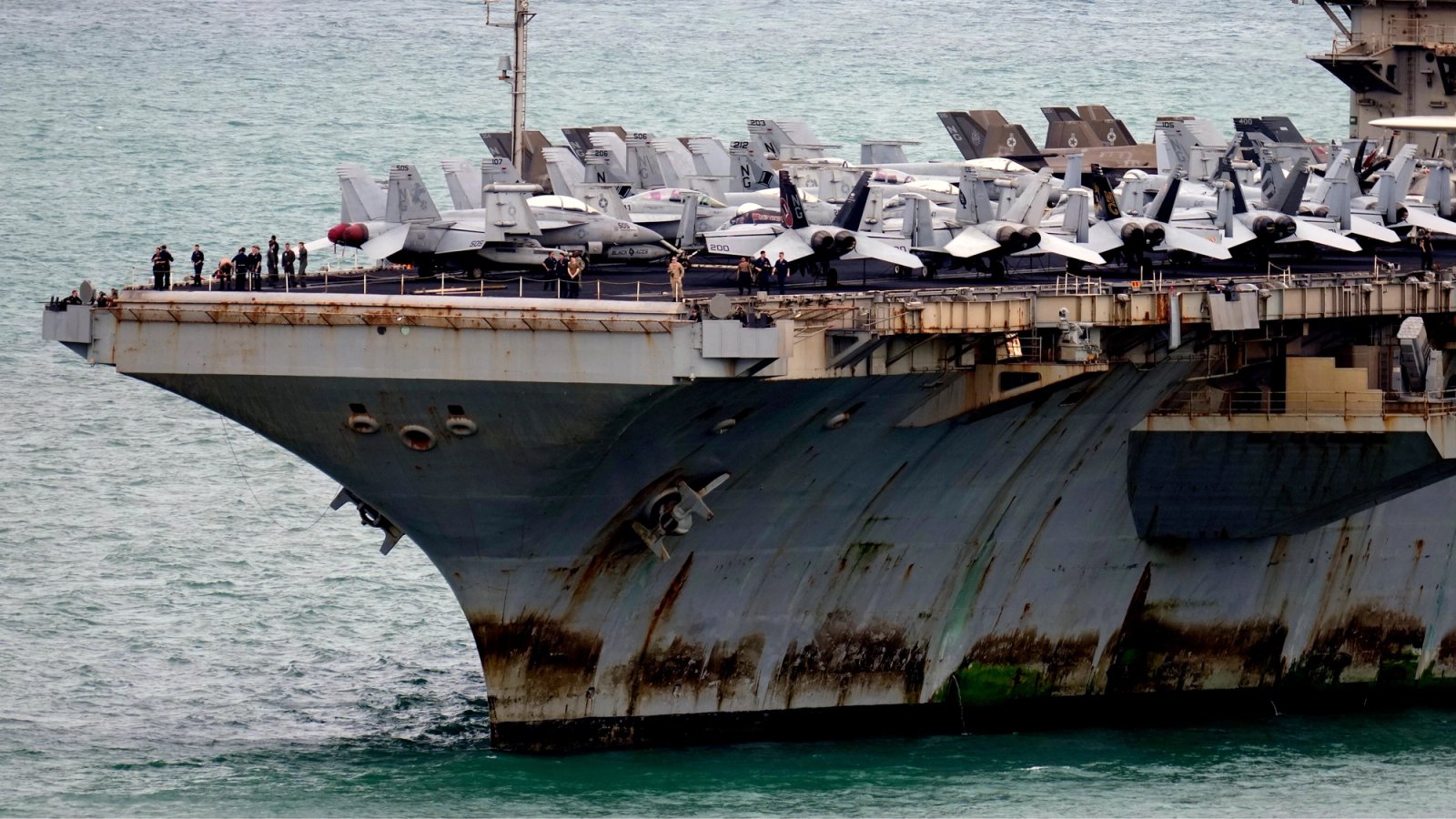
According to the Associated Press, Caudle said missions such as maritime interdiction or monitoring in the Caribbean do not require a full carrier strike group. Smaller ships, helicopters, and cooperation with the Coast Guard can be effective. The objective is to align naval assets with mission requirements, ensuring that carriers and major ships remain available for scenarios that demand specialized capabilities.
Why This Shift Is Happening Now
Several reasons for the change include: great-power competition, operational uncertainty, strained fleet readiness and maintenance, industrial base constraints, and rapid technological change, including unmanned systems.
The Hedge Strategy seeks to address these challenges while keeping the Navy lethal, adaptable, and prepared worldwide.

A Brief Historical Comparison
The Navy’s force-use approach has evolved over the decades. Earlier guidance, such as the Navigation Plan and CNO notes, emphasized readiness and distributed lethality but lacked specific guidance for scalable packages.
The Fighting Instructions build on tradition but shift from broad posture to addressing operational challenges with tailored, scalable force options, marking a pivotal change in planning.
What This Is and What It Isn’t
The Fighting Instructions do not:
- Announce force reductions
- Cancel carrier strike groups
- Mandate immediate deployment schedule changes
They instead provide a fleet-wide operating framework, mission-tailored guidance, and encourage scalable options, including unmanned systems. Recognizing this distinction is crucial to understanding the purpose of this change.
Centering Sailors and Future Operations
Caudle also emphasized the importance of the people who serve on the ships:
“At the center of this vision will always be the United States Navy Sailor.”
While the guidance changes how the Navy fights, its rollout will be gradual, led by fleet commanders and combatant commands.
Continue Reading
U.S. Navy Chief Outlines 2027 Naval Strategy Priorities

Trump Unveils Major Navy Fleet Shift: What It Means for Sailors, Bases, and Sea Duty in 2026
Join the Conversation

Natalie Oliverio
Veteran & Senior Contributor, Military News at MyBaseGuide
Natalie Oliverio is a Navy Veteran, journalist, and entrepreneur whose reporting brings clarity, compassion, and credibility to stories that matter most to military families. With more than 100 publis...
Natalie Oliverio is a Navy Veteran, journalist, and entrepreneur whose reporting brings clarity, compassion, and credibility to stories that matter most to military families. With more than 100 publis...
Credentials
- Navy Veteran
- 100+ published articles
- Veterati Mentor
Expertise
- Defense Policy
- Military News
- Veteran Affairs
SHARE: