Is Your Base Water Safe to Drink? What 2025 DoD Testing Really Shows

It’s the question every military family is asking. While installations issued precautionary advisories such as boil-water notices and PFAS alerts throughout 2024–2025, none developed into widespread crises. These proactive steps reflect diligence and a continued focus on the main question on the minds of military families: Is our base water safe to drink?
DoD environmental data shows there are more than 700 installations with potential PFAS exposure, and over 580 are already under investigation or remediation. Combined with aging infrastructure and the rollout of the EPA’s new PFAS standards, the scrutiny on safe drinking water on base has never been higher.
Families seek clarity, not alarm. With transparent information about how water is tested and what results mean, families can confidently navigate today’s base water-safety landscape.
“Families deserve to know exactly what’s in their water. Transparency isn’t optional, it’s essential.” — Retired Marine Master Sergeant Jerry Ensminger
How the DoD Tests Drinking Water in 2025
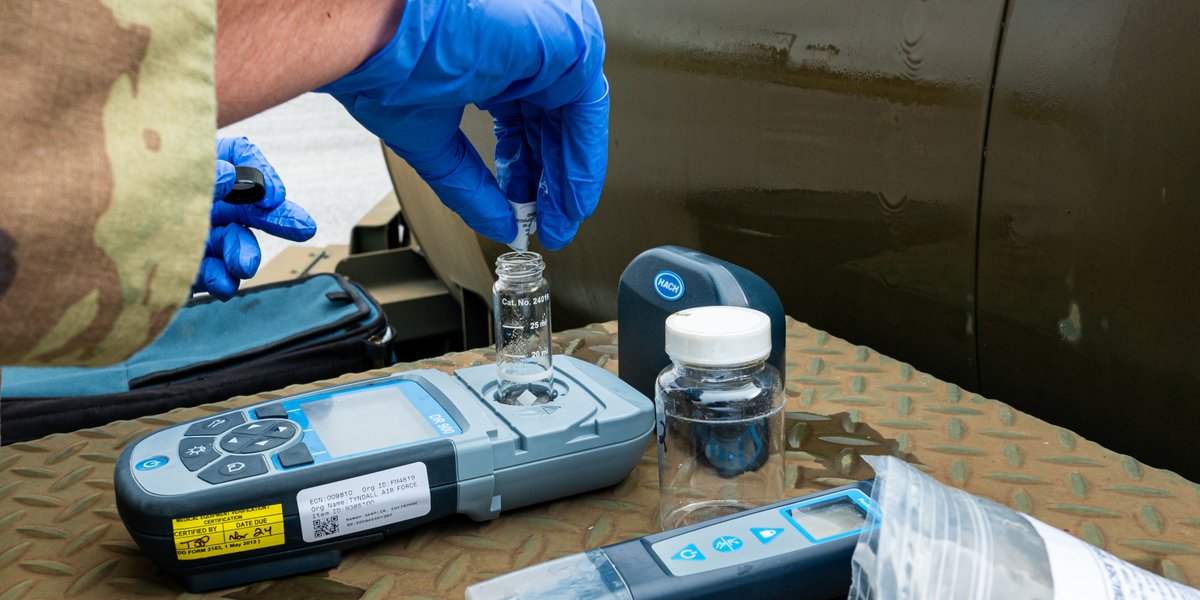
All installation water systems must comply with the Safe Drinking Water Act and DoD environmental quality standards. That means predictable, routine testing cycles designed to detect problems before they reach households.
Testing includes:
- Monthly bacteriological sampling
- Quarterly disinfection byproduct monitoring
- Annual lead and copper sampling
- PFAS sampling aligned with the EPA’s 2024 enforceable limits
These steps are non-negotiable. If a result exceeds an established limit, the installation must notify residents and take corrective action, including flushing the system, performing repairs, or using alternative water sources when required.
Former EPA Administrator Michael S. Regan emphasized the importance of rigorous oversight:
“For decades, the American people have been exposed to the negative effects of PFAS. By setting these standards, we are reducing exposure and empowering communities with the information they need.”
This priority now drives compliance with new limits at military installations in 2025.
What the 2024–2025 PFAS Limits Mean for Military Bases
The EPA’s 2024 PFAS drinking-water limits established some of the strictest contaminant standards ever applied to U.S. water systems. These legally enforceable limits prompted new assessments across the DoD’s installation network.
The EPA has stated clearly that PFAS exposure is linked to immune, cardiovascular, developmental, and certain cancer risks. Bases with confirmed exceedances are required to issue public notifications and detail next steps, which can include treatment changes, filtration upgrades, or interim bottled-water instructions.
This does not mean military drinking water is broadly unsafe. It means the safety threshold is now higher and the reporting is more transparent, both of which benefit military families.
“The notice was issued out of an abundance of caution to protect our community until sampling confirms the water is safe.”
— Louis A. Martinez, Joint Base San Antonio Public Affairs
Understanding Water-Safety Alerts Without Alarm
Water-safety alerts may seem concerning, but each type is designed to keep families informed and safe. Understanding these distinctions allows families to respond with calm and confidence.
- Boil Water Notice: Issued when pressure drops or when repairs create a risk pathway for bacteria. It indicates potential contamination, not confirmed contamination.
- Do Not Drink/Do Not Use Advisory: Issued only when a contaminant is confirmed above legal limits. Residents receive clear instructions on how to proceed for safety.
- PFAS Exceedance Notification: Is required when PFAS levels go above the EPA’s 2024 limits. This notification will include measured levels, the response timeline, and details of planned corrective actions.
- An Operational Disruption Alert: Is triggered by mechanical failure or emergency repairs at a treatment facility. This notification is precautionary and will be lifted once new testing confirms the water is safe.
Families can feel reassured when they recognize each alert as information and let that, not intuition, guide their response.
Which Contaminants Matter Most for Military Families
While bases test for dozens of contaminants, a few carry the greatest relevance to daily on-base living.
PFAS (Per- and Polyfluoroalkyl Substances)
The primary focus of current investigations and cleanups is across hundreds of installations.
Lead and Copper
Associated with older infrastructure. Testing follows a strict regulatory schedule.
Total Coliform Bacteria
The most common cause of boil-water notices is after line breaks or pressure fluctuations.
Disinfection Byproducts (DBPs)
Formed when chlorine interacts with organic matter. Monitored quarterly.
These contaminants appear prominently in the installation’s annual Consumer Confidence Report (CCR) — the most direct source of truth about water quality on base.
How to Check Your Installation’s Water Quality Quickly
Every installation must publish its CCR annually. Service members and families can locate their 2025 CCR or recent advisories through:
- Base Environmental Office
- Public Health or Preventive Medicine
- Housing Office documentation
- Installation of town halls and bulletins
OCONUS bases follow host-nation standards with DoD oversight, so CCR formats may differ — but essential disclosures remain required, including contaminants, exceedances, and system actions. If a PFAS exceedance occurs, a written notification is mandatory.
What This Means for Your Family in 2026
Most military installations continue to meet federal drinking-water standards, offering steady assurance for families. When issues arise, advisories are usually precautionary and quickly resolved. As standards evolve, transparency and oversight ensure your safety remains a top priority.
Understanding how base water safety is assessed gives families control: you know where your data comes from, how to read it, and when to follow up with installation officials.
Military families deserve certainty and confidence when turning on the tap. Understanding how your installation tests its water and finds answers ensures you’re always well-prepared and reassured when it matters most.
Continue Reading

What No One Is Saying About the Fort Detrick Groundwater Contamination

Inside DoD’s Food Security Pilots: Base Selection and Next Steps
DoD Reveals Full List of Bases Scheduled for 2026 Barracks Repairs
Join the Conversation

Natalie Oliverio
Veteran & Senior Contributor, Military News at MyBaseGuide
Natalie Oliverio is a Navy Veteran, journalist, and entrepreneur whose reporting brings clarity, compassion, and credibility to stories that matter most to military families. With more than 100 publis...
Natalie Oliverio is a Navy Veteran, journalist, and entrepreneur whose reporting brings clarity, compassion, and credibility to stories that matter most to military families. With more than 100 publis...
Credentials
- Navy Veteran
- 100+ published articles
- Veterati Mentor
Expertise
- Defense Policy
- Military News
- Veteran Affairs
SHARE: