Traveling With PTSD or MST Triggers: Navigating Airports, Crowds, and Holiday Stress

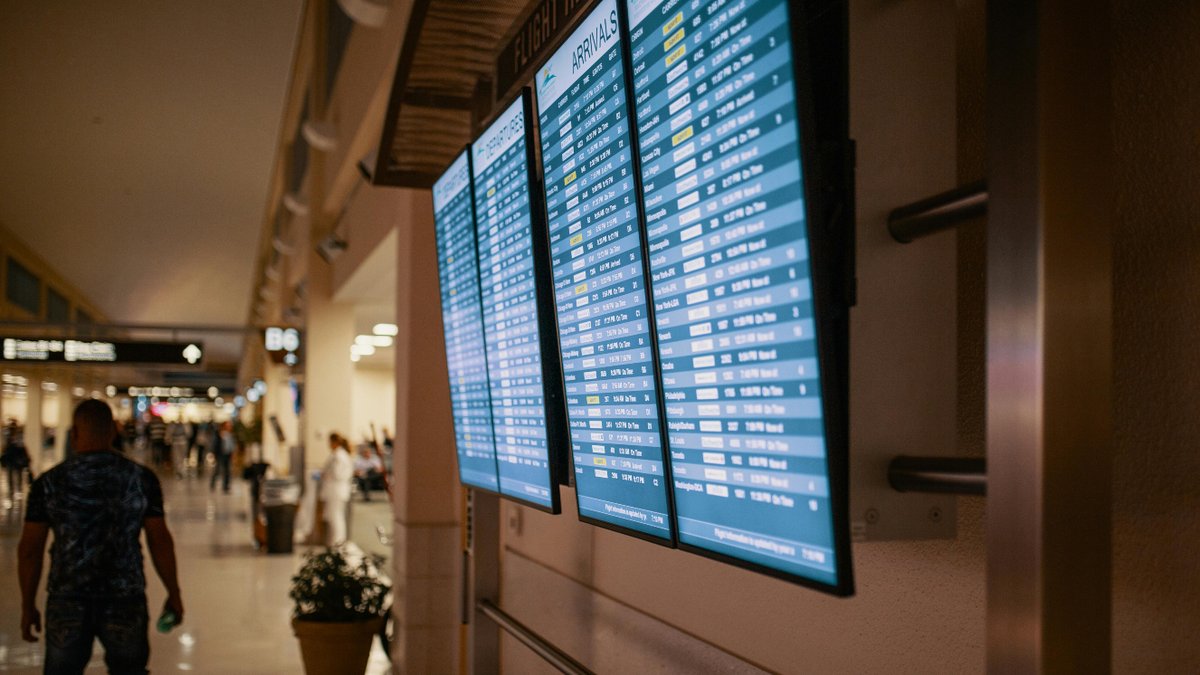
I knew before we even reached the gate that the airport would be loud and crowded. What I didn’t expect was the moment when the man standing a few feet to my left suddenly dropped to the floor; first once, then again, then a third time. Each fall hit me like a physical jolt. Falling, for me, is a deep trigger. The sound, the velocity, the helplessness, it’s instant, instinctual, and overwhelming.
He kept insisting he was “fine,” even as first responders arrived. By the time people began lining up to board, I had positioned myself against a wall, a wall with a sharp corner directly in front of my face. When he leaned forward again, slow and uncontrolled, my brain saw only one thing: his forehead colliding with that sharp edge and splitting open. I didn’t think. I acted. I shoved my suitcase out in front of him to force his fall sideways instead of headfirst. It worked. He was caught and taken into medical care.
After the adrenaline faded, my body responded. My heart was pounding, my hands shook, and my breathing slipped into a panic attack. No self-talk could get me on that plane. We went home and lost the money, but traveling in that condition was not an option.
This is the reality many servicemembers, Veterans, and military spouses quietly live with. PTSD and MST triggers don’t wait for convenient timing. They show up in crowds, in noise, in unexpected emergencies, or in subtle moments that feel harmless to everyone else.
Some service members don’t recognize their own triggers until they travel. Some spouses spot the signs of dysregulation long before their partner does. None of it is a weakness. It’s physiology, trauma memory, and the nervous system doing what it was wired to do in moments of threat, even if the threat isn’t obvious to the people around you.
Why Airports Intensify PTSD and MST Symptoms
Airports have the conditions that activate trauma: crowds, announcements, long lines, close proximity, unpredictability, and limited space. For some, these sensations echo past trauma. For others, travel is often their first test of stress limits.
Military spouses often notice first: pacing, sweating, irritability, silence, or scanning for exits. Early recognition can prevent worsening distress.
These are normal trauma responses, not personal flaws.
Plan Ahead With Intention
Travel is more manageable when you create predictability in unpredictable environments. These PTSD coping strategies can really help:
- Identify triggers as a team. Spouses and partners can help call out patterns that the service member or Veteran may overlook.
- Choose quieter flights. Early morning and mid-week departures generally reduce exposure to crowds.
- Pick seats that support mobility. Aisles or front cabin seating shorten wait times and provide space to move.
- Allow decompression time after TSA. Don’t race from screening straight to boarding.
- Travel with a buddy when possible. A partner can advocate, communicate needs, or interrupt spiraling stress.
- Pack a grounding kit. Noise-canceling headphones, mints, sour candy, a hoodie, tactile objects, and prescribed medications create safety points throughout the journey.
These steps are trauma-informed planning, not over-preparing.

TSA Cares: A Resource Many Don’t Know Exists
TSA Cares is a nationwide program designed to assist travelers with disabilities, medical needs, or “other special circumstances,” including PTSD and MST.
Families can request:
- TSA Cares helpline support (855-787-2227)
- Passenger Support Specialists
- Private screening
- Same-sex pat-down officers
- Companions inside the screening area
- Slow, step-by-step explanations
- TSA Notification Cards for discreet communication
Spouses can make these requests on behalf of their partner, easing the burden when someone is already overwhelmed.
TSA also launched the Honor Lane earlier this year, and every servicemember, Veteran, and spouse should take advantage of this benefit whenever traveling at one of the Honor Lane airports.
Supporting Someone With MST-Related Triggers
Security screening can be especially difficult for those who have experienced military sexual trauma. Trauma-informed strategies include:
- Choosing the screening option that feels least triggering
- Requesting a private room
- Bringing a companion inside the screening
- Using boundary statements such as: “Please tell me each step before touching me.”
- Planning decompression time after screening
Partners supporting an MST survivor can help slow the process down, ask clarifying questions, and ensure privacy is respected.
Airport Programs That Support Invisible Disabilities
Many airports participate in the Hidden Disabilities Sunflower program. A sunflower lanyard signals to airport staff that the wearer may need extra time, patience, or guidance, without having to disclose details.
Other airport supports may include:
- Sensory rooms
- Quiet spaces
- Therapy-dog programs
- Pre-travel walkthroughs for anxious travelers
USO airport lounges also provide calm, military-friendly spaces that reduce exposure to loud terminals and large crowds.
Grounding Techniques That Work in Real Travel Scenarios
Grounding skills help interrupt panic, flashbacks, or sensory overload. These widely used techniques across the military work well in airport environments:
- 5-4-3-2-1 Sensory Grounding: Name five things you see, four you feel, three you hear, two you smell, and one you taste.
- Box Breathing (4-4-4-4): Inhale for four seconds, hold for four, exhale for four, hold for four.
- Temperature/Texture Reset: Use a cold bottle, ice, or a textured item to re-anchor your senses.
- Create micro-escape plans: Identify quiet restrooms, empty gates, or USO lounges as reset zones.
Spouses often take the lead here, nudging breaks before overload hits.
Holiday Travel Can Amplify Everything
Holiday travel magnifies stress: packed terminals, delayed flights, financial pressure, loneliness, family conflict, and disrupted routines. Behavioral health experts note this combination can intensify PTSD and MST symptoms for service members, Veterans, and spouses alike.
It’s also when many military families first notice the full weight of unrecognized triggers.
Supportive strategies include:
- Lowering the expectation of a “perfect holiday.”
- Communicating needs ahead of family gatherings
- Scheduling rest days before and after travel
- Preparing a backup plan for loneliness or shifting holiday plans
These adjustments matter for the whole household.
Verified Support Resources for Military Families
- VA PTSD Treatment
- VA MST Care (free, even without a disability rating or prior report)
- Vet Centers (confidential counseling, no VA enrollment required)
- Warrior Care Network (intensive PTSD/MST treatment with travel and lodging covered)
- Military OneSource (24/7 non-medical counseling for active-duty, Guard, Reserve, and eligible families)
- Veterans Crisis Line (988, press 1; or text 838255)
Travel With Trauma Requires a Different Kind of Readiness
Traveling with PTSD or MST triggers isn’t a matter of “toughing it out.” It’s a matter of recognizing how the body responds to stress and building a plan around safety, not shame.
- For service members, triggers may emerge before they’ve ever named them.
- For Veterans, travel can collide with memories they thought were buried.
- For spouses, the role becomes part supporter, part advocate, part anchor.
With tools like TSA Cares, grounding techniques, sensory-friendly programs, and intentional planning, military families can move through airports with more dignity, more safety, and more control, even during the peak of holiday travel.
Continue Reading

PTSD Management: Veterans Coping with Fireworks

Veteran Holiday Stress: Five Tips for Mental Well-being
TMS Therapy Aids Military Members Suffering From PTSD & Depression
Join the Conversation

Natalie Oliverio
Veteran & Senior Contributor, Military News at MyBaseGuide
Natalie Oliverio is a Navy Veteran, journalist, and entrepreneur whose reporting brings clarity, compassion, and credibility to stories that matter most to military families. With more than 100 publis...
Natalie Oliverio is a Navy Veteran, journalist, and entrepreneur whose reporting brings clarity, compassion, and credibility to stories that matter most to military families. With more than 100 publis...
Credentials
- Navy Veteran
- 100+ published articles
- Veterati Mentor
Expertise
- Defense Policy
- Military News
- Veteran Affairs
SHARE: