The Largest Navy Bases in the World: Ranked by Land Area, Population, and Strategic Impact

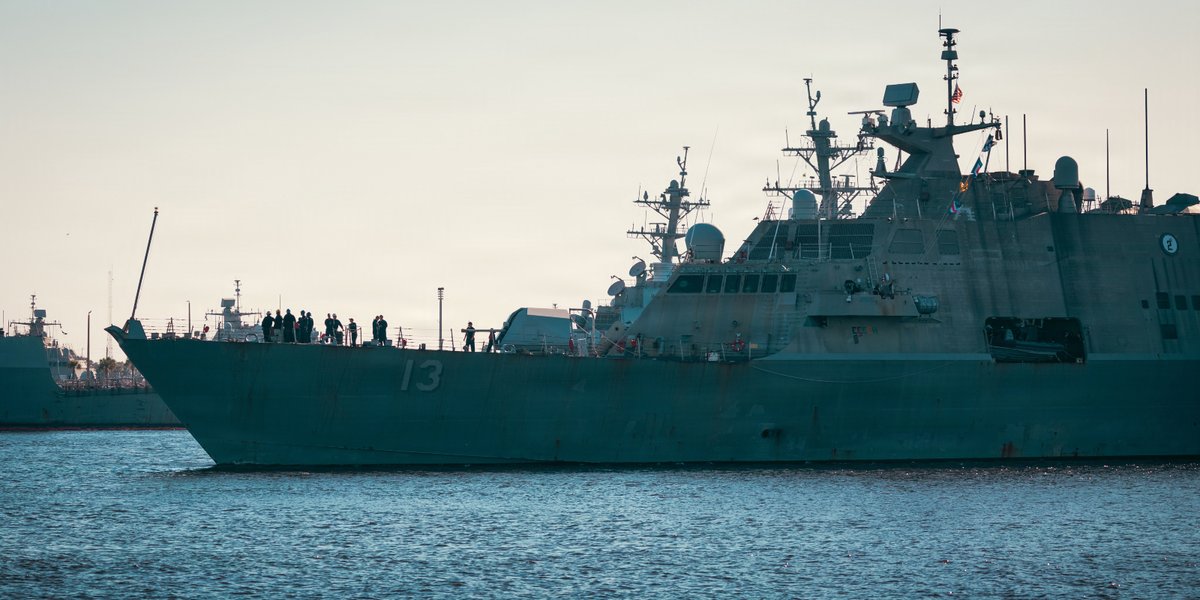
For years, the phrase “largest Navy base” has meant something different depending on who you ask. Some measure size by land area. Others focus on population, mission, or fleet concentration. In reality, each metric tells a different story, and for service members and families, those stories shape everything from housing availability to operational tempo to the character of the surrounding community. With those distinctions in mind, let’s explore what makes these massive installations different.
What becomes clear when you look at the data is this: the largest naval installations in the world are almost exclusively U.S. Navy bases, each anchoring a distinct mission set across aviation, surface warfare, submarine operations, and global power projection.
To rank these bases, this analysis blends the two most meaningful, comparable metrics, land area and total population footprint, while highlighting the unique, mission-driven features that define life at each installation. Beginning with the largest base by acreage, we’ll proceed through the remaining major U.S. Navy hubs that shape the service’s force structure today.

1. Naval Base Coronado, California
Approx. land area: ~57,000 acres
Population footprint: Over 36,000 military and civilian personnel
If land area defines magnitude, Naval Base Coronado stands alone. Spanning multiple sites, including Naval Air Station North Island, Naval Amphibious Base Coronado, Silver Strand Training Complex, and San Clemente Island, this installation is the Navy’s largest by physical footprint.
Its vastness directly supports aviation, amphibious, expeditionary, and special warfare activities.
What makes it fascinating:
Coronado is the only Navy base that simultaneously hosts a carrier-capable air station, major amphibious training grounds, high-end special operations environments, and an island dedicated to weapons testing and training. It is a complete ecosystem of Pacific operations. For families, that means a large, diverse community, a constant rotation of units, and a level of activity far beyond that of a typical coastal base.
2. Naval Base Kitsap, Washington
Approx. land area: ~12,000 acres
Population footprint: ~15,600 active-duty personnel (plus thousands of civilians and contractors)
Naval Base Kitsap, merging Naval Station Bremerton and Naval Submarine Base Bangor, is both geographically large and strategically vital. Spanning the western Puget Sound, it supports carrier maintenance and ballistic-missile submarines, a rare Navy combination.
What makes it fascinating:
Kitsap houses one of two major Navy nuclear weapons facilities and the Pacific Fleet’s ballistic-missile submarines, key to America’s nuclear deterrent. With the Puget Sound Naval Shipyard servicing Nimitz-class carriers, its strategic value is unmatched.

3. Naval Station Norfolk, Virginia
Approx. land area: ~4,000–6,000 acres
Population footprint: Over 75 ships, 130+ aircraft, with a personnel total among the highest of any naval base. Though smaller than Coronado or Kitsap in physical size, Norfolk leads the world in fleet concentration and operational throughput, making it unmatched in scale.
What makes it fascinating:
Norfolk functions as a maritime city, with over 11 miles of piers and bustling air operations, which shape the Hampton Roads region. Families benefit from broad support networks and experience intense operational cycles.
4. Naval Air Station Patuxent River, Maryland
Approx. land area: ~6,400 acres
Population footprint: More than 17,000 personnel, civilians, contractors, and dependents
NAS Patuxent River, known simply as Pax River, is the nerve center of naval aviation development. It houses Naval Air Systems Command (NAVAIR), the Naval Test Pilot School, and vast test ranges for flight, weapons integration, and systems engineering.
What makes it fascinating:
Pax River’s significance lies in innovation. Every major Navy aircraft from the P-8 Poseidon to F-35 variants and new unmanned systems passes through this base. Its technical workforce, filled with engineers and specialists, gives it a unique Navy identity.

5. Naval Air Station Corpus Christi, Texas
Approx. land area: 5,662 acres
Population footprint: More than 43,000 personnel
NAS Corpus Christi is a major aviation training hub, one of the Navy’s primary sources of newly winged pilots. It supports Training Air Wing FOUR, the Chief of Naval Air Training, and a substantial pipeline of student aviators.
What makes it fascinating:
Few installations see more constant turnover. Student pilots, maintainers-in-training, and instructors rotate continuously, creating a dynamic environment unlike a fleet base. The Corpus Christi Army Depot, a top helicopter maintenance center, adds a joint-service aspect.
6. Naval Station Mayport, Florida
Approx. land area: 3,000–4,000 acres
Population footprint: More than 11,000 personnel
Mayport is the Navy’s third-largest fleet concentration point on the East Coast, home to destroyers, cruisers, littoral combat ships, and amphibious vessels. Its 8,000-foot runway also supports a broad aviation footprint.
What makes it fascinating:
Mayport blends the feel of a fleet homeport with the versatility of an air facility. It shares operational synergy with nearby Jacksonville, creating a region-wide Navy community. Families often describe it as a “smaller Norfolk” — active, operationally relevant, but with fewer mega-base challenges.

7. Naval Air Station Jacksonville, Florida
Approx. land area: ~3,400 acres
Population footprint: Significant, though precise figures fluctuate with operations
NAS Jacksonville is the Navy’s principal East Coast center for maritime patrol and reconnaissance missions. It supports P-8A Poseidon squadrons, reserve aviation units, and major logistics operations.
What makes it fascinating:
This base is crucial for anti-submarine warfare and maritime surveillance. Its proximity to Mayport creates a large, interconnected Navy community where families often rotate between installations within the region.
8. Naval Base San Diego, California
Approx. land area: ~1,600 acres (plus more than 300 acres of water space)
Population footprint: Large; varies with ship movements and rotational patterns
Naval Base San Diego is the home of the Pacific Fleet’s surface forces. Despite its smaller land footprint, it hosts one of the Navy's heaviest concentrations of operational activity.
What makes it fascinating:
The base handles some of the world’s most intense ship traffic, with vessels rotating through maintenance, training, and deployment. Its location makes it a desirable duty station, known for resources, quality of life, and constant fleet activity.

What These Mega-Installations Mean for Sailors and Families
After spotlighting each installation, it’s clear that despite differences in geography, mission focus, population density, and operational tempo, the Navy’s largest installations share one truth: each is a world unto itself.
These bases shape careers, deployments, family life, and community identity. A Sailor stationed at Pax River will experience a completely different rhythm than someone at Norfolk or San Diego, yet every installation on this list supports a mission that extends far beyond its gates.
For service members and families, understanding those differences is preparation. Land area can tell you how spread out your daily life may feel. Population can signal congestion, resource constraints, or demand for housing and childcare.
Mission focus can reveal what your tempo might look like. Together, these metrics offer a clearer picture of what your next duty station might truly hold. And whether you’re headed to a sprawling West Coast hub or a dense Atlantic powerhouse, these bases represent the backbone of U.S. naval power and the communities that keep it running every day.
Continue Reading
Top 5 Largest U.S. Military Bases Worldwide
The Largest Coast Guard Bases: Ranked by Land Area & Population
The Top 10 Largest Army Bases in the United States, Ranked
Join the Conversation

Natalie Oliverio
Veteran & Senior Contributor, Military News at MyBaseGuide
Natalie Oliverio is a Navy Veteran, journalist, and entrepreneur whose reporting brings clarity, compassion, and credibility to stories that matter most to military families. With more than 100 publis...
Natalie Oliverio is a Navy Veteran, journalist, and entrepreneur whose reporting brings clarity, compassion, and credibility to stories that matter most to military families. With more than 100 publis...
Credentials
- Navy Veteran
- 100+ published articles
- Veterati Mentor
Expertise
- Defense Policy
- Military News
- Veteran Affairs
Calculate Your BAH
Planning your housing budget? Use our 2026 BAH Calculator to see your Basic Allowance for Housing rates for your base.
Calculate BAH Rates →SHARE: