What We Know About the Iran War Ceasefire Deal
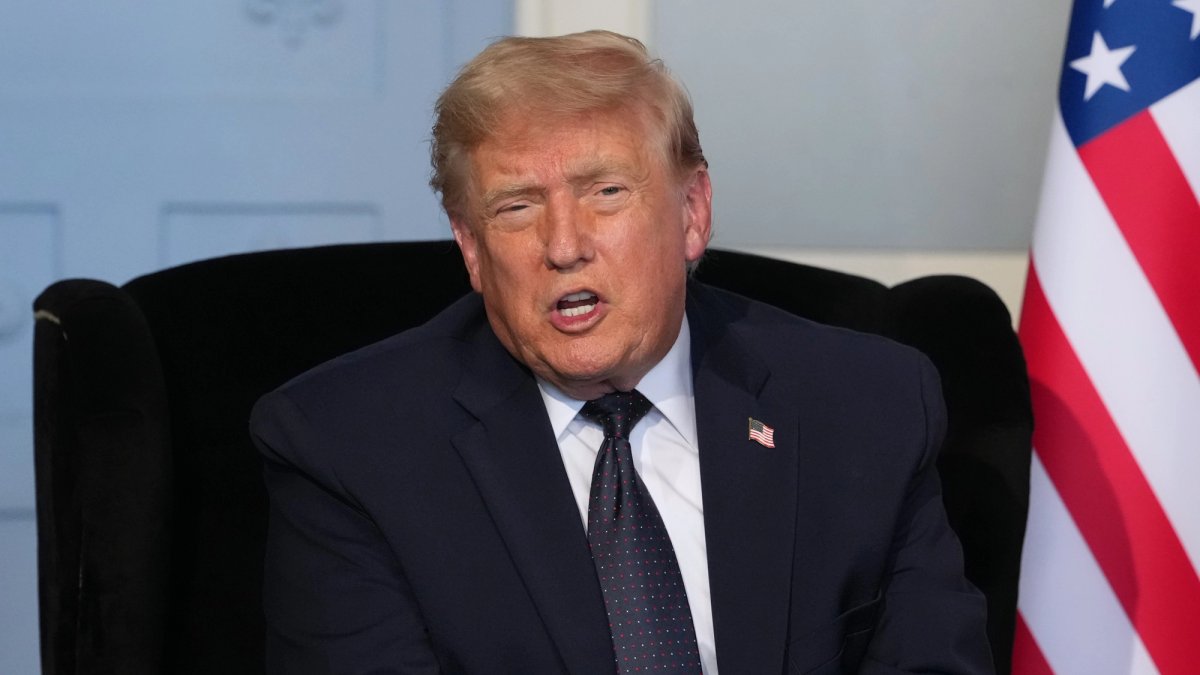
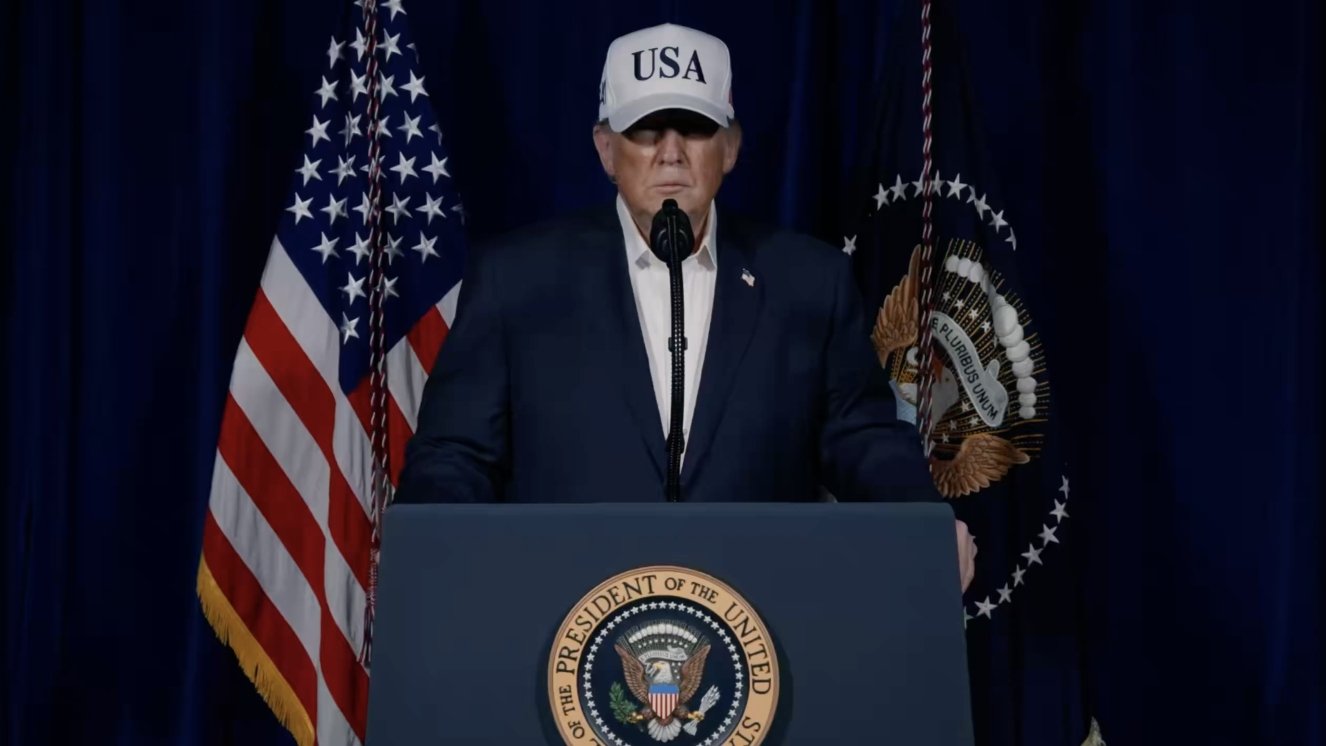
On Saturday, the Trump Administration released several statements declaring that a deal to end the fighting in the Middle East had been reached. There are few details available, but we know a few aspects of the deal from several outlets and official statements from the US, Iran, Pakistan, and several other countries.
The deal has apparently been brokered by Pakistan and Qatar. After months of air and naval combat, the United States and Iran are poised to formalize an end to active hostilities. On June 15, President Trump and Vice President Vance virtually signed a memorandum of understanding with Iranian officials, with a formal ceremony planned in Geneva on Friday, June 19. Here is a factual summary of where things stand.
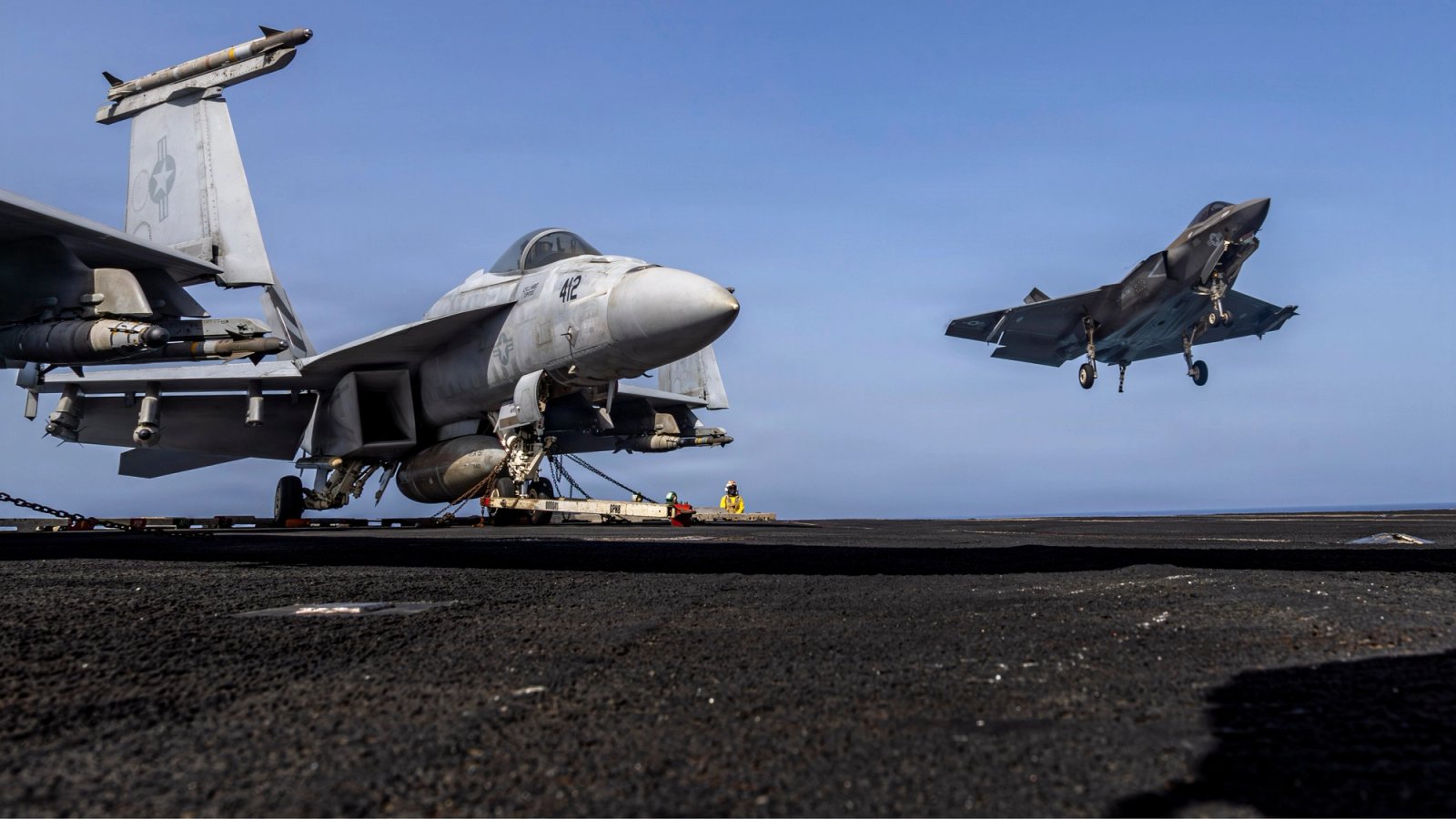
The initial ceasefire dates to April 8, when Pakistan mediated a two-week halt to hostilities. Iran had rejected an earlier Pakistani proposal for a 45-day phased framework, and the early ceasefire was violated by both sides before Trump extended it indefinitely on April 21. Issues under discussion throughout the talks included freedom of navigation through the Strait of Hormuz, Iran's nuclear and ballistic missile programs, reconstruction, sanctions relief, and the framework for a longer-term peace agreement.
The Memorandum of Understanding
The formal document ending the conflict is called a “memorandum of understanding.” It’s approximately a page and a half long and outlines a broad framework that leaves technical details to future negotiations. Vice President Vance confirmed that international nuclear inspectors will be allowed back into Iran under its terms. The MOU would extend the ceasefire for 60 days, including in Lebanon, during which nuclear negotiations would be held. It includes a framework for addressing Iran's enriched uranium stockpile, though any action on the nuclear program depends on a second, more detailed accord.
According to administration officials, the text of the MOU will be released to the public after the formal signing ceremony in Geneva. The US will be represented by Vice President Vance, Middle East Special Envoy Steve Witkoff, and Jared Kushner, the president’s son-in-law.
For their part, the Iranians have committed to implementing the agreement after the formal signing ceremony on Friday. Iran’s deputy foreign minister, Kazem Gharibabadi, said: “A permanent and immediate end to the war has been declared on all fronts.” However, he added that there remain conditions for Iran’s compliance. According to CNN, Iran’s acceptance of the deal is contingent on the US lifting the naval blockade, ending the state of war and military operations, and releasing Iran's frozen funds (reported at more than $24 billion).
Another important detail is that, contrary to initial administration statements, the MOU does not contain language completely eliminating the Iranian nuclear program upfront. Rather, the MOU provides for a 60-day period for negotiations on what nuclear capabilities and material the Iranians will retain, the inspection regime, and how nuclear materials will be managed, though recent leaks show Iran did concede that its highly enriched uranium stockpile "will be destroyed" via downblending. According to press reports, the 60-day clock and the phased release of the $24 billion in frozen funds are heavily linked to these verified nuclear steps.

The Strait of Hormuz
The MOU sketches out a plan for the United States to remove its naval blockade of the Strait of Hormuz while Iran agrees to reopen the waterway for commercial shipping.
Trump said the Strait would be "permanently toll-free" once it reopens after the Geneva signing. The Strait remained closed as of the signing announcement, with reopening tied to the formal ceremony requiring Iran to restore traffic to pre-war volumes within 30 days.
Israel's Status
Israel’s Benjamin Netanyahu said Israel has halted attacks on Iran but stopped short of acknowledging a ceasefire, while Iran suspended operations against Israel but warned it would resume them if Israeli strikes in southern Lebanon continue.
The Lebanon dimension remains the most immediate complication, with Hezbollah fighting ongoing even as the U.S.-Iran framework takes shape. Iran has indicated their willingness to cease military operations “on all fronts,” which implies their proxies in Yemen (Houthis) and Lebanon (Hezbollah) would also end their attacks. However, as Israel is not a signatory to the MOU, their cooperation remains an open question.

Comparing the 2015 Agreement to the 2026 Agreement
The 2026 MOU invites inevitable comparison to the 2015 Joint Comprehensive Plan of Action - and the differences are instructive. Under the JCPOA, Iran agreed to reduce its enriched uranium stockpile, limit enrichment levels, reduce operating centrifuges, redesign certain nuclear facilities, and permit extensive IAEA inspections - a detailed, negotiated architecture supported by six world powers.
The 2026 MOU, by contrast, is about a page and a half of broad framework language, with details deferred to a second accord. Crucially, this MOU includes a "status quo" clause where both sides freeze their current positions for 60 days: Iran pauses its nuclear program where it is, while the US cannot add forces or new sanctions. The JCPOA required continuous monitoring of Iran's entire fuel cycle, including real-time enrichment monitoring, for 15 years, along with permanent adherence to the IAEA Additional Protocol. The MOU only includes language to start discussions on an inspection regime for verification. When the first Trump administration withdrew from the JCPOA, Iran moved quickly to resume their nuclear program.
By early 2025, the IAEA reported Iran had increased its stockpile of 60-percent highly enriched uranium to 275 kilograms, a level that significantly shortened any nuclear breakout timeline to months rather than years under the previous agreement.
Lastly, there’s the difference in payout. Under the 2015 JCPOA, the United States returned $1.7 billion in frozen Iranian funds from an aborted arms purchase of US weapons during the Reagan administration. The payout in the 2026 agreement starts with immediate US Treasury oil export waivers and the gradual return of $24 billion in impounded Iranian funds, as well as an “investment fund” for reconstruction of as much as $300 billion, according to some press reports, though President Trump has explicitly stressed that the US itself is "not putting up ten cents" of taxpayer money toward it.
What Remains Unresolved
Analysts are cautious about what the MOU actually secures.
"We have been here before only to discover the parties cannot bridge the remaining gaps," said Steven Cook of the Council on Foreign Relations.
"Negotiations on the outstanding issues, especially on Iran's nuclear program, will be long and difficult."
Trump reiterated that "Iran will never have a nuclear weapon" and told the New York Times that the U.S. could attack Iran again if negotiations failed to produce a resolution on its nuclear ambitions. While Iran's deputy foreign minister indicated the 60-day nuclear talks could only begin if the U.S. released frozen Iranian funds, Vice President Vance clarified that the money will only be released in phases based on verified steps on the ground.
Continue Reading
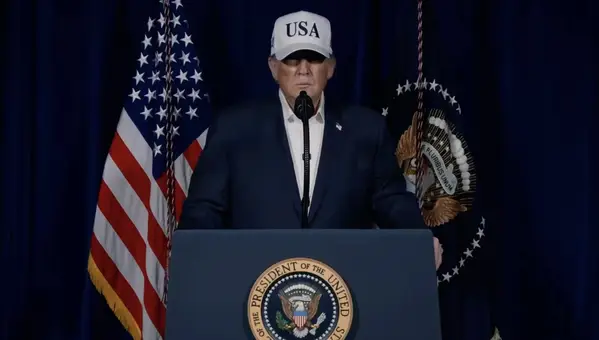
Trump Issues Iran Ceasefire: What Happens Now?
The Iran War 100+ Days In, Where We Are and What’s Next
The Iran War Enters Week 2: Here's What We Know So Far
Join the Conversation

Mickey Addison
Military Affairs Analyst at MyBaseGuide
Mickey Addison is a retired U.S. Air Force colonel and former defense consultant with over 30 years of experience leading operational, engineering, and joint organizations. After military service, h...
Mickey Addison is a retired U.S. Air Force colonel and former defense consultant with over 30 years of experience leading operational, engineering, and joint organizations. After military service, h...
Credentials
- PMP
- MSCE
Expertise
- defense policy
- infrastructure management
- political-military affairs
SHARE: