Trump Issues Iran Ceasefire: What Happens Now?
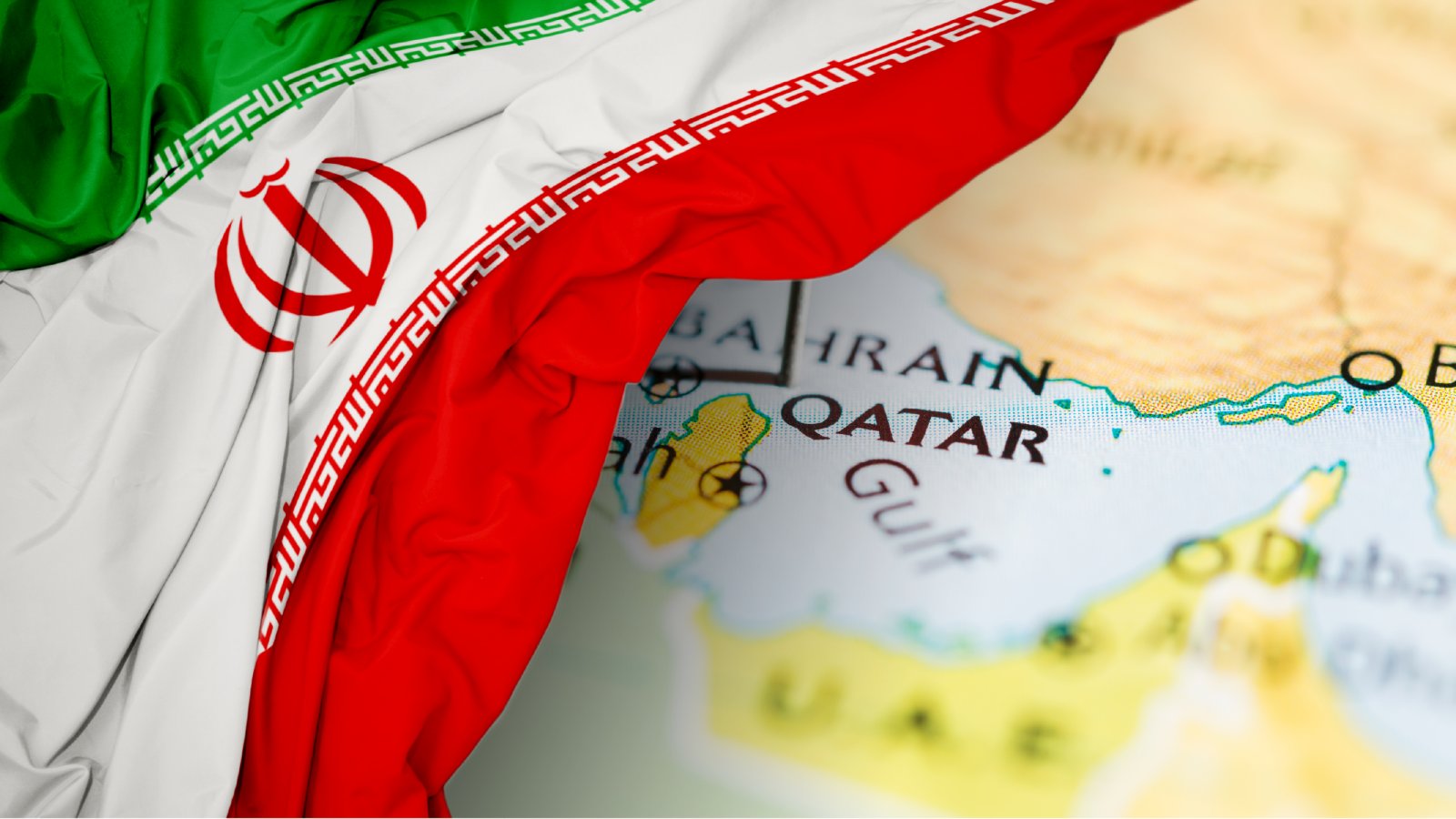
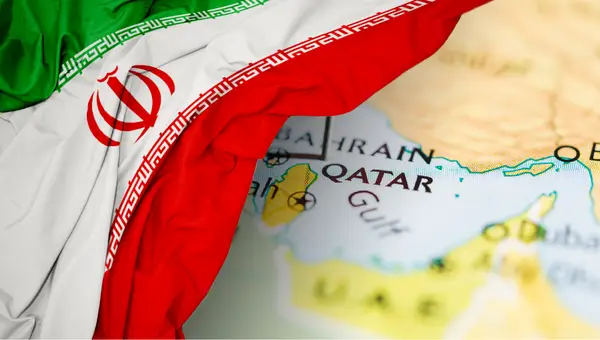
A two-week ceasefire halted U.S. and Israeli strikes on Iran Tuesday night, but the conflicting messages from Tehran, Jerusalem, and Washington on terms of the pause, as well as data on maritime movement in the Gulf, indicate the conflict is far from resolved.
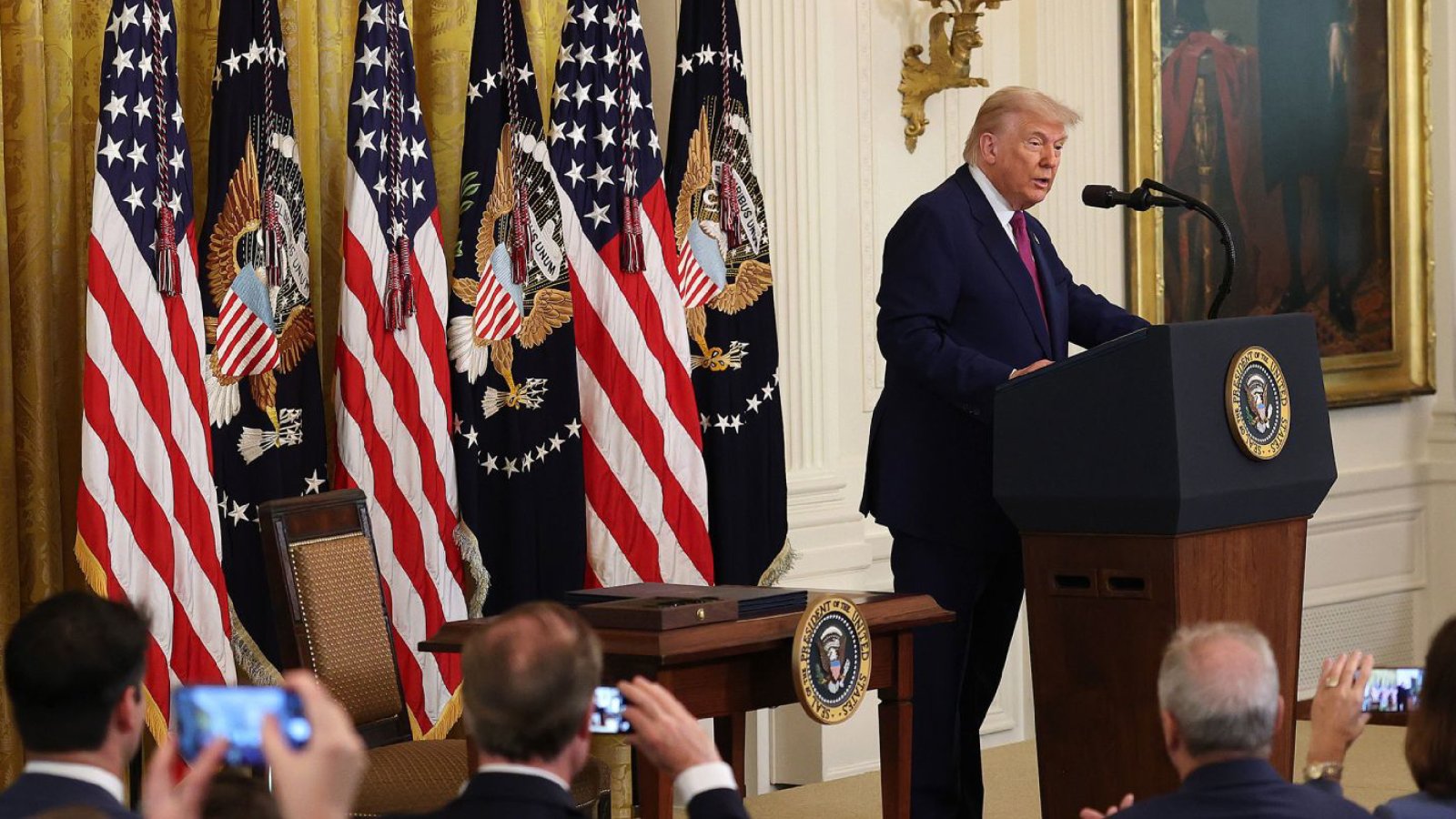
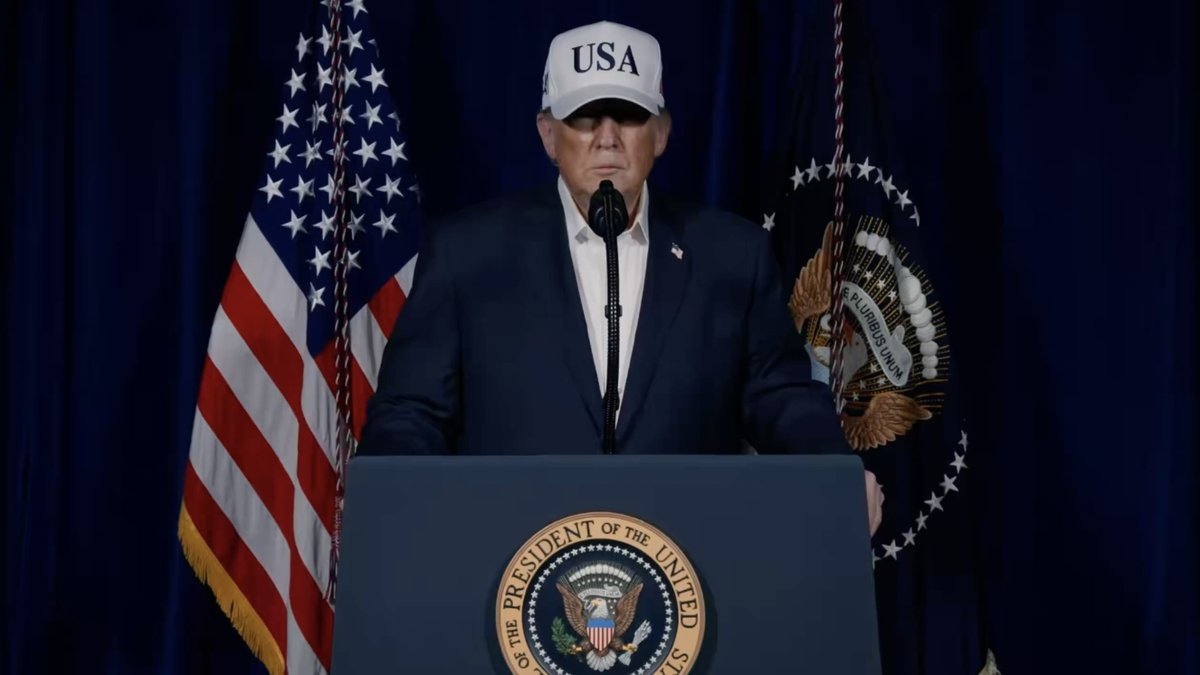
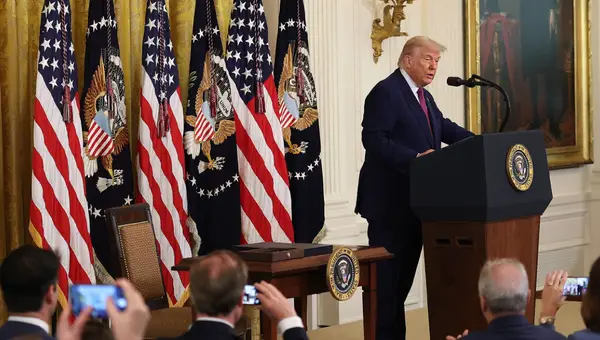
President Trump announced the halt hours before his self-imposed deadline, citing a 10-point Iranian proposal as a "workable basis" for negotiations. In a subsequent press conference, Secretary of Defense Pete Hegseth declared the Strait of Hormuz open. Markets briefly agreed and oil prices dropped sharply on the news. However, the data and reporting on the ground tell a different story.
The Campaign, By the Numbers
Operation Epic Fury, which began February 28, struck more than 800 targets in its final hours alone, with total targets across the 38-day campaign reaching over 13,000, including more than 2,000 command and control targets. In the first 72 hours, U.S. bombers struck nearly 200 sites and dropped dozens of 2,000-pound penetrator bombs targeting ballistic missile launchers. According to public statements by US Central Command, the Iranian Navy has lost more than 150 warships across 16 classes, and every submarine has been sunk.
At an April 8th Pentagon press briefing following the ceasefire announcement, Secretary of Defense Pete Hegseth declared that Operation Epic Fury had achieved "every single objective on plan, on schedule, exactly as laid out from day one," asserting that "Iran's Navy is at the bottom of the sea" and its air force "wiped out," and that Iran's missile program was "functionally destroyed."
However, U.S. intelligence assessments told a more complicated story: roughly half of Iran's missile launchers remained intact, with thousands of one-way attack drones still in its arsenal, many sheltered in tunnel networks built over decades specifically to survive a campaign like this one. Throughout the conflict, Iran averaged approximately 120 drone and missile attacks per day across the region (a launch figure consistent with regional reports, while the White House confirmed over 1,000 attack drones and 700 ballistic missiles were successfully intercepted) and never relinquished effective control of the Strait of Hormuz.
The human cost was real as well - thirteen U.S. service members were killed during Operation Epic Fury, including six Air Force aircrew lost when their KC-135 tanker went down in western Iraq following a midair collision (confirmed in the official March 14 CENTCOM statement), the first loss of a tanker aircraft in combat operations in more than a decade. More than 365 Americans were wounded over the course of the campaign. The numbers of Iranian casualties, as well official tallies in the Gulf states and Israel, are still incomplete. The full human cost across the region therefore remains uncounted.

Not Many Ships Are Moving in the Gulf Yet
As of this writing, few ships are moving in the Gulf. According to Sal Mercogliano from What’s Going on With Shipping reporting data from MaritimeTraffic.com normal pre-war traffic through the Strait runs about 138 vessels per day.
On April 5th, eight transited and on April 6th, ten vessels transited out of the Gulf, most of them Iranian-flagged tankers clearing their own ports. Mercogliano also reported that BIMCO, an industry group that monitors container ship traffic, confirmed that most cargo vessel operators are holding position at anchor, waiting for clarity on Iran's newly declared transit protocols before risking crews and cargo. Further, Mercoglianio noted that insurance rates for commercial operators remain high.
Iran has announced that vessels must submit cargo manifests to Iranian authorities, await clearance, and pay a transit toll - $1 per barrel of oil - in cryptocurrency, within seconds of approval. Any vessel transiting without prior authorization risks military attack. Cryptocurrency payments are nearly impossible to track and intercept, which gives the IRGC a source of funding that does not depend on the dollar. Iranian officials have stated their intention to make these arrangements permanent, and at present Iran is exercising de facto control over Strait of Hormuz traffic.
Despite the Ceasefire Announcement, Attacks Continue
The ceasefire remains shaky with attacks continuing within hours of the ceasefire announcement. Israel launched what it described as its largest strikes on Beirut since the start of the war on the morning after the ceasefire, hitting multiple neighborhoods during morning rush hour. Iran's position is unambiguous: Iranian Parliament Speaker Ghalibaf declared that a ceasefire and negotiations with the U.S. were "unreasonable," citing three events he considers violations - the continued strikes in Lebanon, an Iranian airspace incursion by a drone, and Trump's public statement denying Iran's right to uranium enrichment.
The Lebanon dispute cuts to the heart of the agreement's fundamental ambiguity. Pakistani Prime Minister Sharif announced the ceasefire covered "all fronts of the war, including Lebanon and elsewhere." Netanyahu rejected that immediately, and the U.S. backed Israel's position. Iran's response was direct: the IRGC declared that shipping through the Strait had stopped following Israel's bombardment of Lebanon, which Tehran said constituted a ceasefire violation.
As of Thursday morning, the Strait remains mostly closed. Gulf countries did not report being attacked overnight for the first time since the war began - a modest improvement - but Bahrain's defense force said it intercepted seven drones in the last 24 hours. Meanwhile, Trump floated managing the Strait "as a joint venture" between the United States and Iran, though the White House later walked that back, saying Washington would push for a full reopening with no tolls.
Both sides seem very far apart in their demands to end the fighting. What exists is a fragile reduction in the intensity of violence, contested by all parties, and a Friday meeting that is still not confirmed.

What Comes Next
The White House announced Wednesday that Vice President Vance will lead the U.S. negotiating team in Islamabad, joined by Special Envoy Steve Witkoff and Jared Kushner, with talks set to begin Friday. Trump subsequently told the New York Post that Vance may not attend in person due to security concerns, though Witkoff and Kushner are confirmed participants.
In a LinkedIn post, CNAS CEO Richard Fontaine identified the core problem directly: Iran's 10-point negotiating proposal includes formal control of Hormuz transit, the right to enrich uranium, sanctions relief, no strikes on proxies, reparations, and U.S. military withdrawal from the region. Iran's highly enriched uranium stockpile remains intact. The regime remains in place. Nearly all of Iran's stated demands conflict with the various objectives the United States has articulated since the war began.
The coming days will provide an early test of whether the ceasefire holds or whether Operation Epic Fury resumes.
Continue Reading
Iran Strikes Al Udeid Air Base After US B-2 Spirit Attack
US and Israel Target Iran's Nuclear Sites: Fordow and Natanz
Join the Conversation

Mickey Addison
Military Affairs Analyst at MyBaseGuide
Mickey Addison is a retired U.S. Air Force colonel and former defense consultant with over 30 years of experience leading operational, engineering, and joint organizations. After military service, h...
Mickey Addison is a retired U.S. Air Force colonel and former defense consultant with over 30 years of experience leading operational, engineering, and joint organizations. After military service, h...
Credentials
- PMP
- MSCE
Expertise
- defense policy
- infrastructure management
- political-military affairs
SHARE: