U.S. Forces Surge to the Persian Gulf

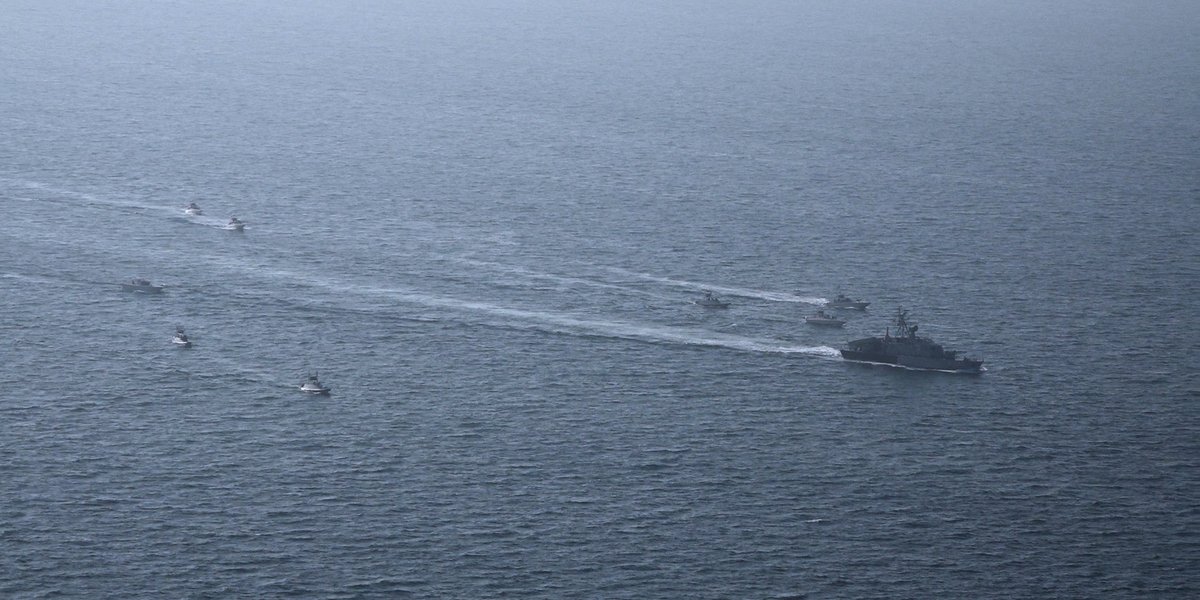
Open-source reporting from official military channels and reputable defense news outlets indicates that the United States is assembling a substantial concentration of naval and air power in the Persian Gulf region, amid growing speculation that a potential strike on Iran could occur “within days.” While precise operational plans remain classified, publicly available information provides a credible picture of a reinforced U.S. posture designed to enable sustained air and maritime operations, missile defense, and regional deterrence.
Naval Forces: Two Carrier Strike Groups and Forward-Deployed Surface Combatants
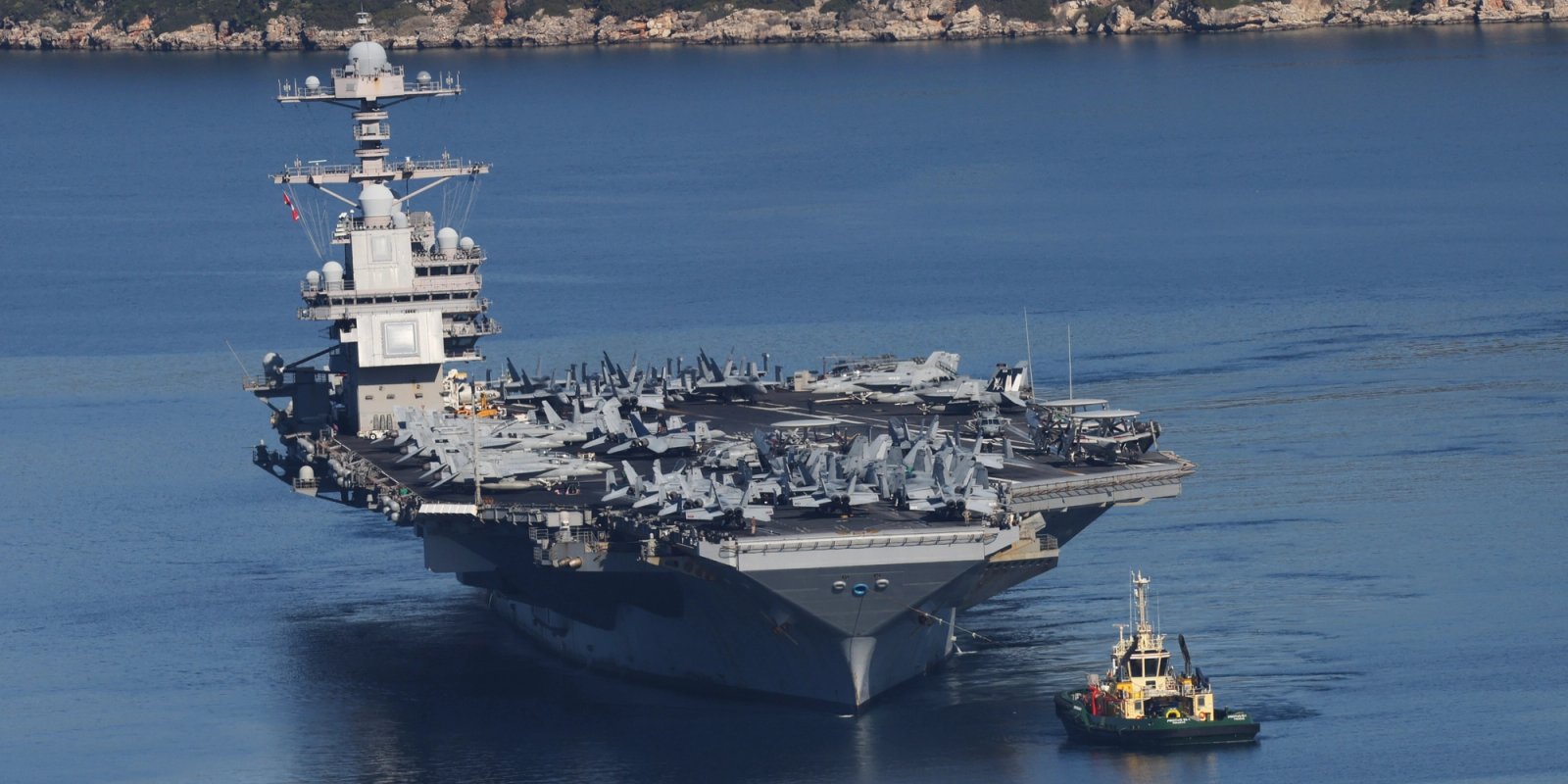
The most visible element of the buildup is at sea. According to the USNI News Fleet and Marine Tracker (Feb. 17, 2026), the aircraft carrier USS Abraham Lincoln (CVN-72) is currently operating in the Arabian Sea under U.S. Central Command (CENTCOM) tasking. The Lincoln Carrier Strike Group includes guided-missile destroyers such as USS Frank E. Petersen Jr. (DDG-121) and USS Spruance (DDG-111), providing air defense, strike, and surface warfare capability.
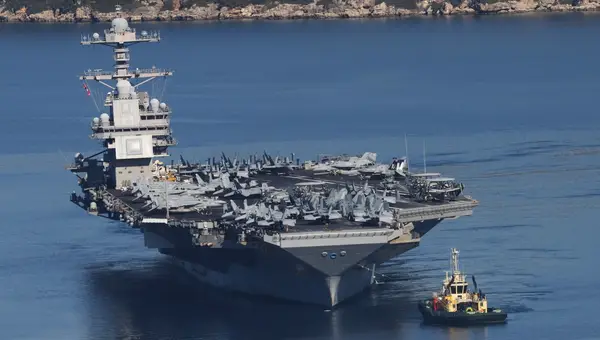
In addition, USNI reports that USS Gerald R. Ford (CVN-78) and its carrier strike group have been ordered to deploy to the Middle East, creating the potential for a two-carrier posture in or near the CENTCOM area of responsibility. Ford’s group includes Carrier Air Wing 8, with multiple F/A-18E/F Super Hornet squadrons, EA-18G Growler electronic attack aircraft, and E-2D Hawkeye airborne early warning platforms. The destroyer USS Winston S. Churchill (DDG-81) is identified as the air defense commander for this group.
Within the Persian Gulf itself, several surface combatants are positioned close to the Strait of Hormuz. USNI identifies USS Mitscher (DDG-57) and USS Michael Murphy (DDG-112) operating in or near the Gulf, providing ballistic missile defense and maritime security. Three Littoral Combat Ships, USS Canberra (LCS-30), USS Tulsa (LCS-16), and USS Santa Barbara (LCS-32), are deployed with mine countermeasures mission packages, reflecting ongoing concern about Iranian mining of critical sea lanes.
An additional destroyer, USS McFaul (DDG-74), is operating independently in the North Arabian Sea. Together, these forces provide layered air defense, long-range strike, Tomahawk cruise missile capability, and escort for high-value units.
This maritime posture is consistent with preparations for sustained operations: carriers for strike and air control, destroyers for missile defense and escort, and specialized assets for mine warfare in constrained waters.

Air Forces: Forward Basing and Expeditionary Units
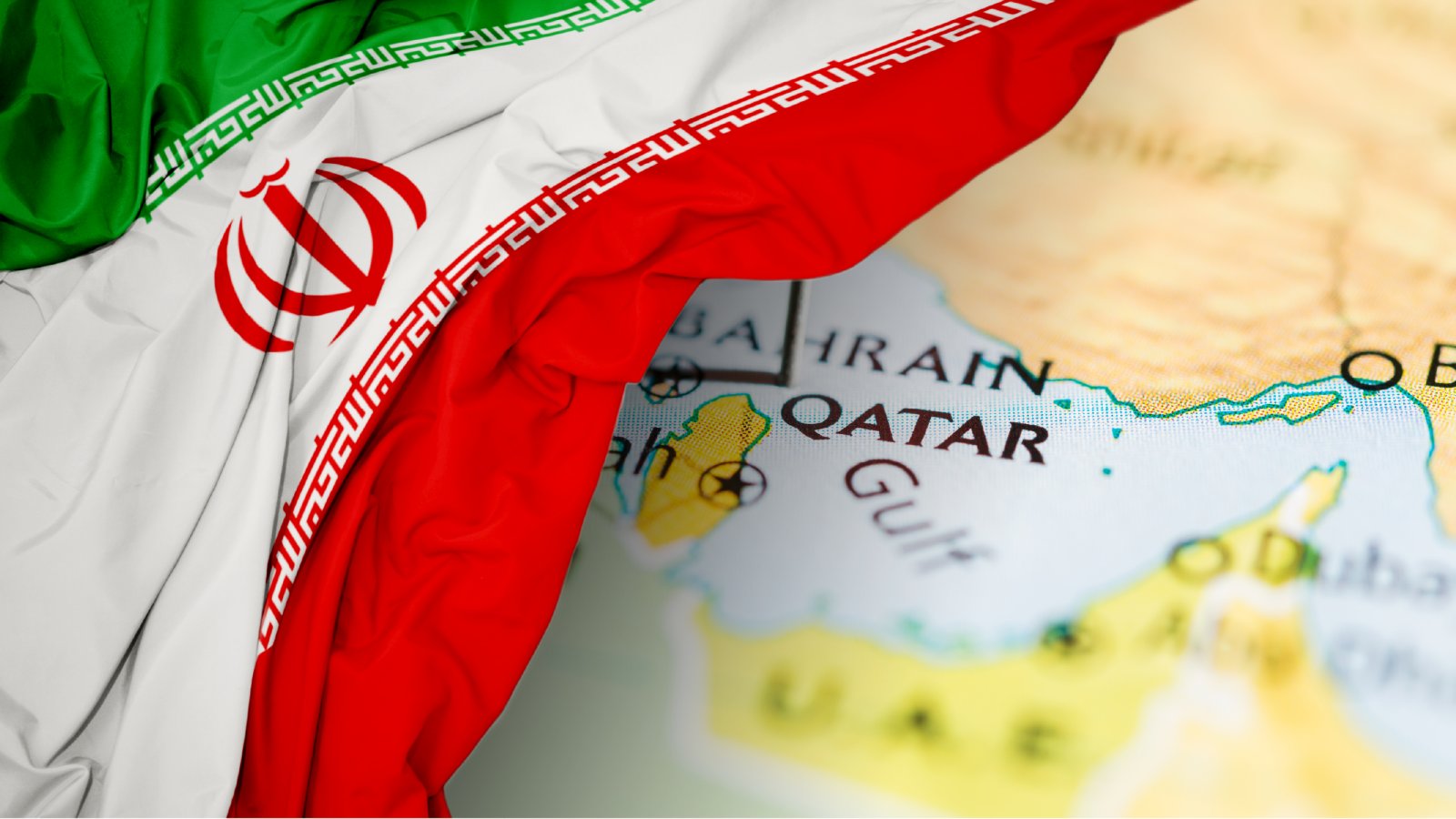
Air operations in the region are coordinated through the Combined Air Operations Center (CAOC) at Al Udeid Air Base in Qatar, the central hub for U.S. and coalition airpower in the Middle East. Al Udeid hosts command-and-control infrastructure, intelligence fusion centers, and large tanker and ISR contingents.
CENTCOM and U.S. Air Forces Central (AFCENT) reporting confirms the continued presence of expeditionary fighter and support units across the Gulf. Coverage of Exercise Blue Sands 26-1 identifies participation by the 555th Expeditionary Fighter Squadron and 510th Expeditionary Fighter Squadron, both operating F-16 aircraft, along with KC-135 aerial refueling assets. These exercises emphasize integrated air and missile defense and counter-unmanned aerial systems, directly relevant to a potential conflict with Iran.
While CENTCOM does not routinely publish a comprehensive roster of deployed squadrons, DVIDS imagery and press releases consistently reference rotational fighter, tanker, and surveillance units at key bases, including:
- Al Dhafra Air Base (United Arab Emirates)
- Ali Al Salem Air Base (Kuwait)
- Muwaffaq Salti Air Base (Jordan)
These installations support combat aircraft, MQ-9 and RQ-4 intelligence platforms, and large numbers of refueling tankers. Together, they enable high sortie rates and deep-strike capability across Iran and the wider region.
In January 2026, CENTCOM also announced the opening of a multinational air and missile defense coordination cell, the Middle East Air Defense Command and Control (MEAD-CDOC), co-located with regional headquarters in Qatar. This structure integrates U.S., Gulf Cooperation Council, and partner-nation sensors and interceptors, improving early warning and response to ballistic and cruise missile threats.

Ground and Missile Defense Forces
Open sources provide less detail on ground formations, but several elements are publicly acknowledged. U.S. Army and partner-nation Patriot and THAAD batteries are known to operate across the Gulf, coordinated through MEAD-CDOC.
These systems are designed to defend major air bases, ports, and population centers against Iranian missile attacks. Air defense systems such as these were used to defend against previous Iranian attacks on Israel and US bases in Iraq and Qatar.
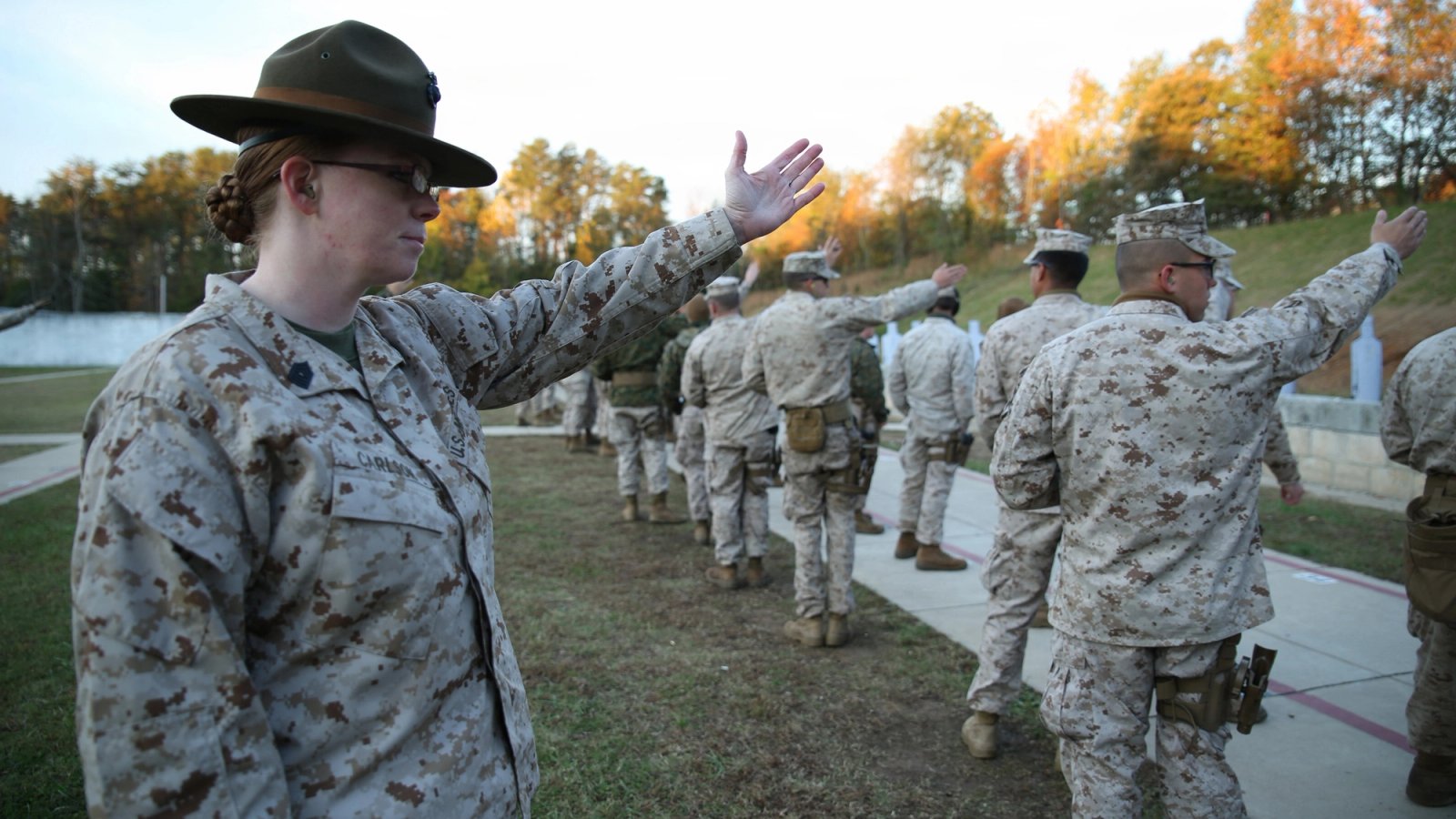
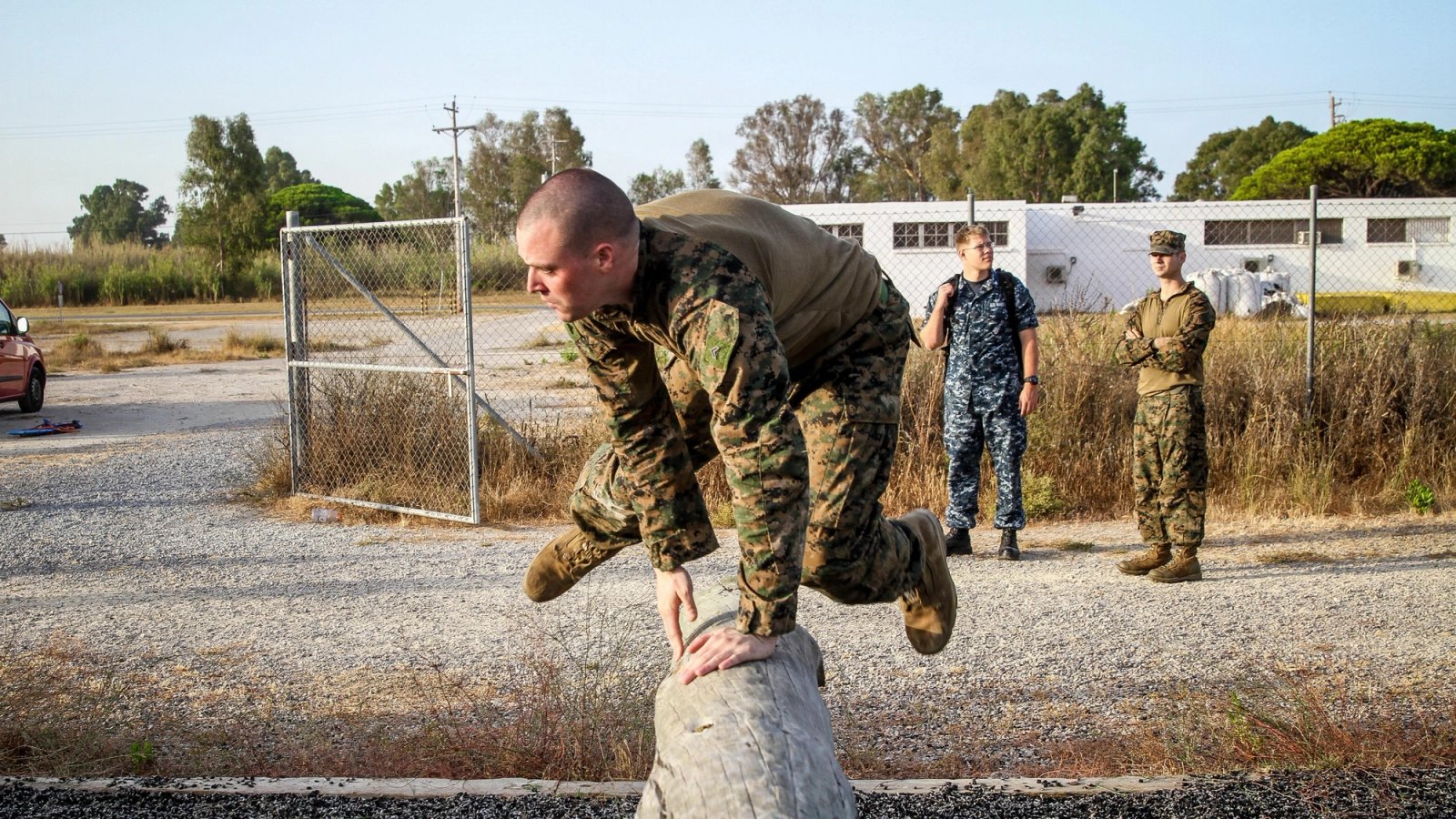
Additionally, rotational U.S. Army air defense, logistics, and sustainment units support theater operations from Kuwait and Qatar. Marine Corps and Army security cooperation teams remain embedded with regional partners, enhancing interoperability in maritime security and missile defense.
Assessing the Posture
Taken together, this force posture reflects preparation for high-intensity operations rather than routine presence. Two carrier strike groups, forward-deployed destroyers in the Strait of Hormuz, expanded expeditionary air units, and integrated missile defense command structures represent the core enablers for a sustained air and maritime campaign.
Whether intended primarily as a warning to Tehran or as preparation for imminent action, the current posture underscores that the Persian Gulf remains a central arena for U.S. security policy.
As diplomatic efforts continue, the scale of forces now in place ensures that Washington retains credible military options while reminding those who serve that stability in the region is never guaranteed.
Continue Reading
More U.S. Troops, Warships Headed to Middle East as Conflict With Iran Ramps Up
Iran Strikes Al Udeid Air Base After US B-2 Spirit Attack
U.S. Begins Pulling Personnel from Al-Udeid Airbase Amid Rising Regional Tensions
Join the Conversation

Mickey Addison
Military Affairs Analyst at MyBaseGuide
Mickey Addison is a retired U.S. Air Force colonel and former defense consultant with over 30 years of experience leading operational, engineering, and joint organizations. After military service, h...
Mickey Addison is a retired U.S. Air Force colonel and former defense consultant with over 30 years of experience leading operational, engineering, and joint organizations. After military service, h...
Credentials
- PMP
- MSCE
Expertise
- defense policy
- infrastructure management
- political-military affairs
SHARE: