TRICARE Prime Families Can Now Access Virtual Urgent Care: What This New Pathway Means

If you’ve ever tried to get a same-day appointment at your military clinic while comforting a sick kid, and your spouse is deployed, or you’re in between work calls, well... you already know how the story usually ends. Finding yourself asking, “Why can’t this be easier?”
You tried calling to get an appointment, but the calendar was full. The next opening isn’t soon. So now you must make the tough decision of whether to wait it out or bring your kid to urgent care off base, all while hoping to provide them with comfort as soon as possible. That challenge is exactly what a new change inside the Military Health System intends to address, offering a streamlined solution for families facing packed clinics with booked schedules.
TRICARE Prime beneficiaries who meet eligibility requirements can now connect with virtual urgent care providers through the Military Health System Nurse Advice Line, a new pathway designed to help families access prompt care when in-person appointments aren’t immediately available. For military families accustomed to limited clinic availability, frequent moves, and unpredictable schedules, this shift to virtual urgent care offers another viable option when time is at a premium.
Who Can Use This New TRICARE Virtual Urgent Care Pathway
While the program is not universal across all TRICARE plans, it is no longer limited to specific pilot sites. The Defense Health Agency notes that this service currently covers TRICARE Prime beneficiaries age 12 or older who are assigned to a primary care manager at a U.S. military hospital or clinic. Beneficiaries must be within the continental United States.
At this time, the virtual urgent care service does not extend to beneficiaries living overseas or in U.S. territories. Military households include active-duty family members, spouses, and retirees enrolled in TRICARE Prime.

How the Nurse Advice Line Becomes the Front Door to Care
How do you go about getting into a virtual urgent care appointment? Families don’t schedule these visits themselves. Instead, everything begins with the MHS Nurse Advice Line, a long-standing TRICARE service that connects beneficiaries with registered nurses around the clock by phone, chat, or video.
After assessing symptoms, the nurse determines whether the issue can safely be treated virtually. If appropriate, they may arrange a virtual urgent care appointment, often the same day or the following day, with providers through the military’s Virtually Integrated Patient Readiness and Remote (VIPRR) clinic.
What Happens During a Virtual Urgent Care Visit
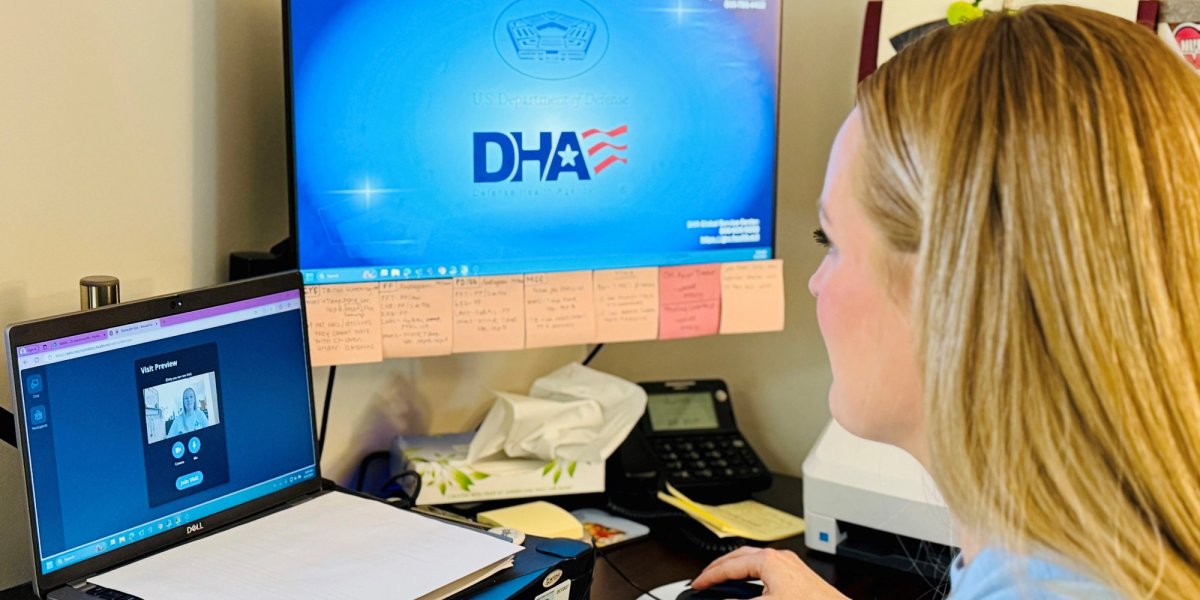
Once scheduled, the experience mirrors a traditional urgent care appointment, except it happens online. You will meet with the provider face-to-face via a secure connection, so you can have the same conversation you would if you were physically in the room with them.
Providers can evaluate symptoms, diagnose routine illnesses, prescribe medications when needed, and send prescriptions directly to TRICARE pharmacies. The visit is recorded in MHS GENESIS, ensuring continuity with the patient’s military treatment facility and primary care manager.
What Types of Conditions Virtual Urgent Care Is Designed to Address
Virtual urgent care is intended for non-emergency concerns that require urgent attention but do not require an in-person, emergency room exam.
Examples from TRICARE include sinus infections, coughs, sore throats, allergies, skin issues, headaches, and minor joint pain. Emergencies still warrant immediate 911 or ER care.

What This Shift Means For Military Family Healthcare
Military families have had to adapt to the TRICARE system's availability for as long as the system has been around. This new virtual urgent care pathway reflects a gradual but very important change, one that is bringing care closer to where families live and when they need it, rather than requiring them to navigate already strained clinic schedules and availability.
“Now, if your local military clinic is booked, you can call the MHS Nurse Advice Line. A nurse will assess if you can get a virtual urgent care appointment for the same or next day,” said U.S. Army Lt. Col. Ryan Shubat, chief, Primary Care and Mental Health Healthcare Optimization at the DHA.
Ask a military family what their biggest barrier to healthcare is and they’ll likely tell you that the real issue isn’t having coverage, it’s getting the right medical attention when they need it most, not just when it’s available at a previously scheduled time. For parents balancing deployments, childcare, and long-distances to clinics from installations, this change may ease the burden, offering quicker answers and relief during some of the most stressful times.
Continue Reading
TRICARE Urgent Care - Understanding Your Family’s Coverage

TRICARE Prime Remote Pharmacy Copays Eliminated for U.S. Families

TRICARE Online Therapy: Access Mental Health Coverage
Join the Conversation

Natalie Oliverio
Veteran & Senior Contributor, Military News at MyBaseGuide
Natalie Oliverio is a Navy Veteran, journalist, and entrepreneur whose reporting brings clarity, compassion, and credibility to stories that matter most to military families. With more than 100 publis...
Natalie Oliverio is a Navy Veteran, journalist, and entrepreneur whose reporting brings clarity, compassion, and credibility to stories that matter most to military families. With more than 100 publis...
Credentials
- Navy Veteran
- 100+ published articles
- Veterati Mentor
Expertise
- Defense Policy
- Military News
- Veteran Affairs
SHARE: