Lost Behind Enemy Lines: How SERE School Prepares Pilots for the Worst
When U.S. aircraft were shot down over Iran, controlled airspace was gone in an instant. No reset button. No comms. During the span of time that the unknown takes over, there’s fear, panic, and a full-body resistance against what you don’t want to be true.
One airman was recovered quickly. Another made it away from the wreckage and stayed out of enemy custody, but was missing for two days before U.S. forces reached him, out in the mountainous region, wounded and alone without their aircraft.
Officials have not released a full operational timeline or detailed account of movement on the ground. What is clear is the part that matters. He wasn’t taken, and he survived.
Where the Mission Drops to One Thing
After a crash, the job changes fast. Communications degrade if available at all. Visibility disappears. What’s left is distance and how long you can hold it.
Aircrew don’t figure that out in the moment. They’re trained for it well before they ever step into an aircraft.
Not trained for the crash itself, but for what comes after.
Survival. Evasion. Resistance. Escape, (SERE).

What SERE Actually Teaches
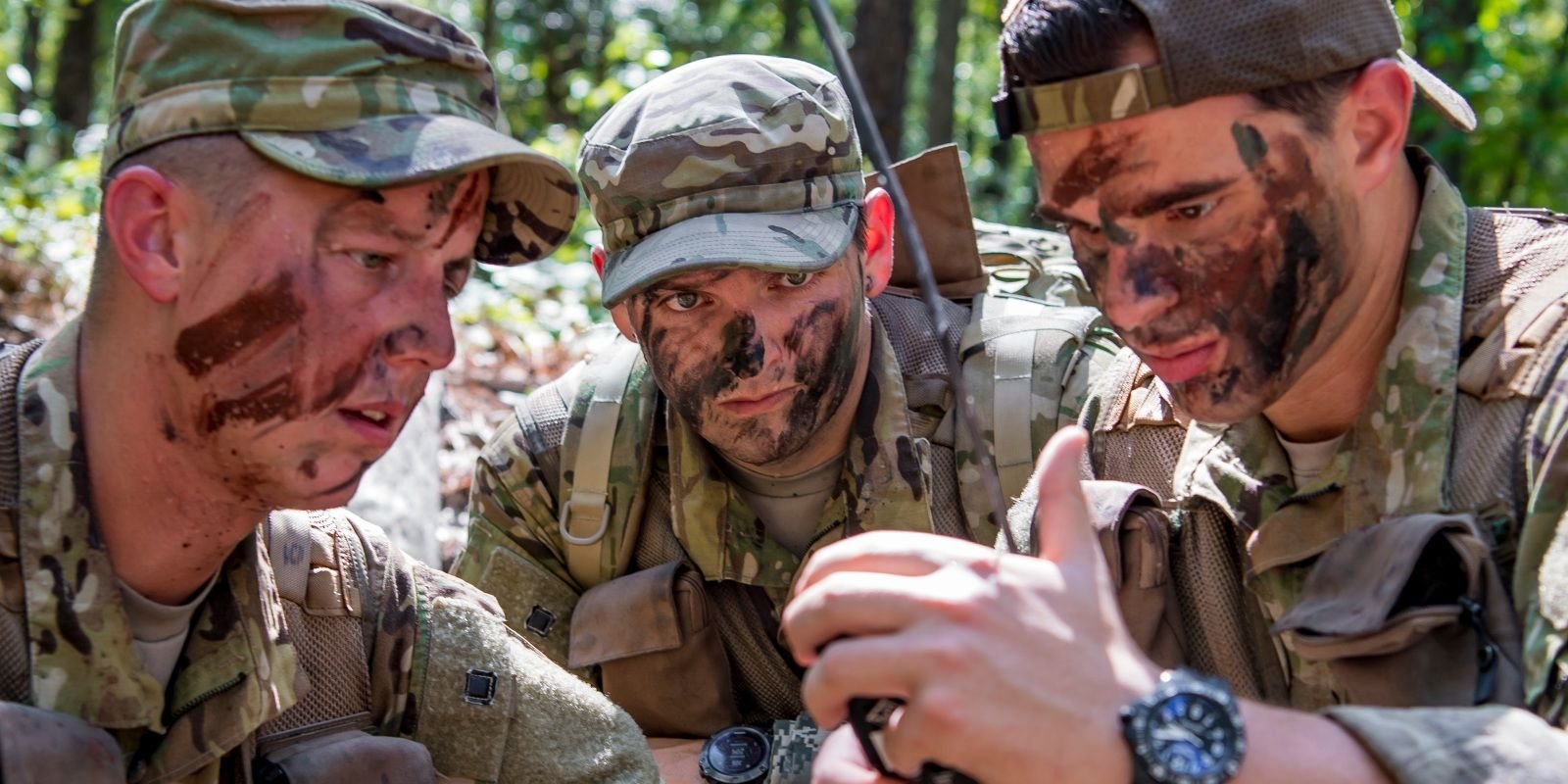
Survival is where SERE training begins, stripping survival odds down to decisions that can hold under pressure. It starts with the basics of finding water, building shelter, and staying alive in environments that don’t give you anything back. Desert, open ocean, freezing terrain. Conditions are controlled, but the stress isn’t softened.
Evasion comes next. Movement without pattern. Using terrain as cover. Knowing when not to move at all. The goal isn’t speed, it’s precision and taking care to remain unseen long enough to shift the timeline.
Resistance is built around the military’s Code of Conduct. Name, rank, service number, and date of birth. Service members are trained not to divulge anything beyond that. Training scenarios simulate capture conditions designed to wear down focus and test how well that resistance holds.
Escape isn’t treated like a moment. It’s timing, judgment, and risk. Opportunities are limited and most of them aren’t clean. Making clear decisions in life and death situations can only be accomplished through proper training and preparation.
Across all of it, the objective stays the same; stay alive, stay out of custody, and hold long enough for recovery to become possible.

Battle Tested Survival Strategy
After the Korean War and the Vietnam War, reviews from U.S. service members made something plain and clear; captured service members were being interrogated and exploited without a consistent framework to fall back on.
SERE is the product of that environment and is now required training for personnel operating at a higher risk of isolation or capture, including aircrew.
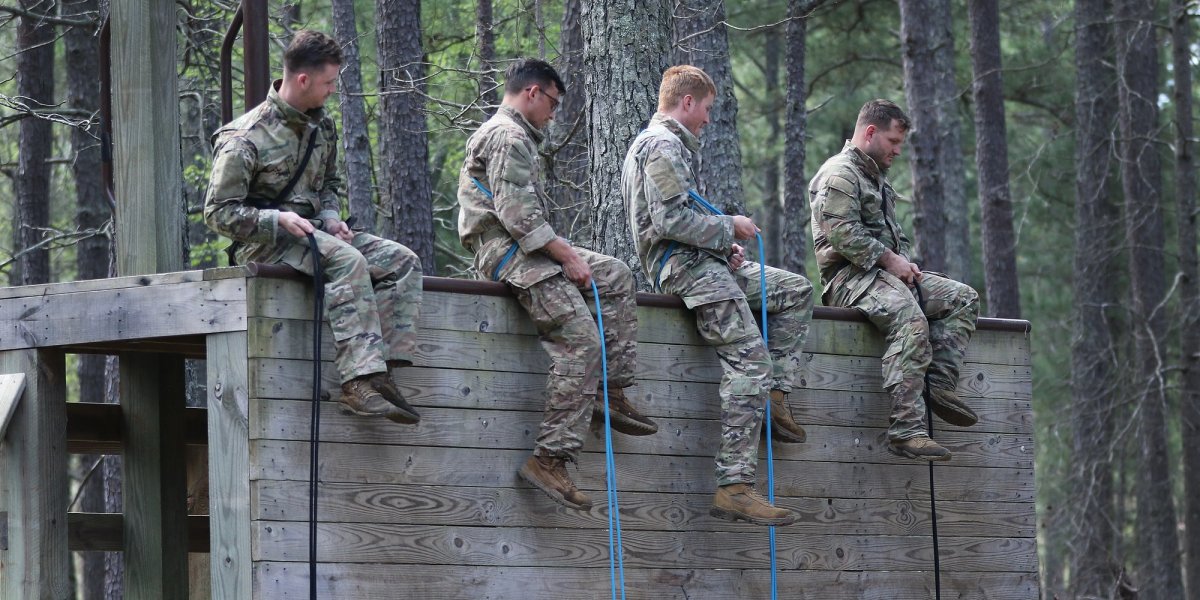
At Fairchild Air Force Base, training strips things down quickly; food is restricted, sleep is limited, and environments that don’t cooperate are created to train in realistic scenarios to better educate and train participants. The result of SERE training as the Air Force defines it is the standard of returning “with honor.”
Building Time
Evasion isn’t movement for the sake of movement. Sometimes it’s the opposite. Stopping. Waiting. Letting a search pass through instead of running into it.
Surviving for nearly two days behind enemy lines is undeniable proof of SERE's effectiveness. When hunting a downed crew member, enemy forces rely on predictable movement patterns. By breaking those patterns, the Airman stretched the enemy's search timeline, bought time for U.S. rescue forces to mobilize, and drastically reduced the enemy's chances of finding him.
Not every situation stays outside the perimeter. SERE accounts for that too. Training scenarios apply pressure where it matters, curating fatigue, uncertainty, and loss of control so that the training scenarios can develop real-world tools to survive when caught in unsurvivable conditions. The expectation doesn’t move. No matter what.
Recovery forces can close distance. They can’t reverse capture. Everything depends on whether the person on the ground is still operating outside that line.
Radios fail. Signals get missed. Plans shift. Time is the only thing that keeps the option open. In this case, for the missing Colonel, it held long enough.
The Margin That Decides It
Aircraft can still go down. That risk hasn’t been eliminated. What happens after is what determines if someone comes back. Equipment can be replaced, but human lives cannot. Out there alone, the airman wasn’t waiting on rescue. He was keeping the window for his retrieval open and available.
He was managing distance. Making decisions that don’t allow for correction. SERE doesn’t promise anything. It gives you something to work with when everything else is gone. And sometimes that’s what makes the difference that results in being recovered.
Continue Reading
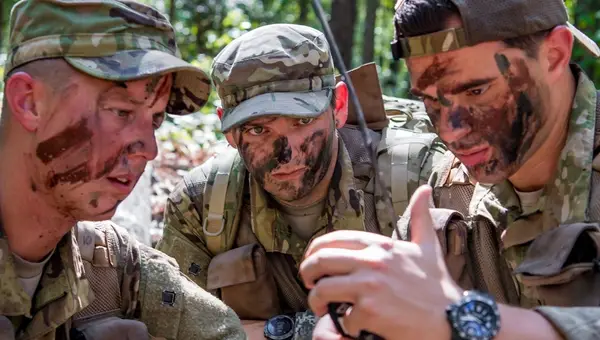
What You Learn at SERE Training
Join the Conversation

Natalie Oliverio
Veteran & Senior Contributor, Military News at MyBaseGuide
Natalie Oliverio is a Navy Veteran, journalist, and entrepreneur whose reporting brings clarity, compassion, and credibility to stories that matter most to military families. With more than 100 publis...
Natalie Oliverio is a Navy Veteran, journalist, and entrepreneur whose reporting brings clarity, compassion, and credibility to stories that matter most to military families. With more than 100 publis...
Credentials
- Navy Veteran
- 100+ published articles
- Veterati Mentor
Expertise
- Defense Policy
- Military News
- Veteran Affairs
SHARE: