200 Faiths Down to 30: What the New Religious Code Consolidation Means for Your Personnel Records

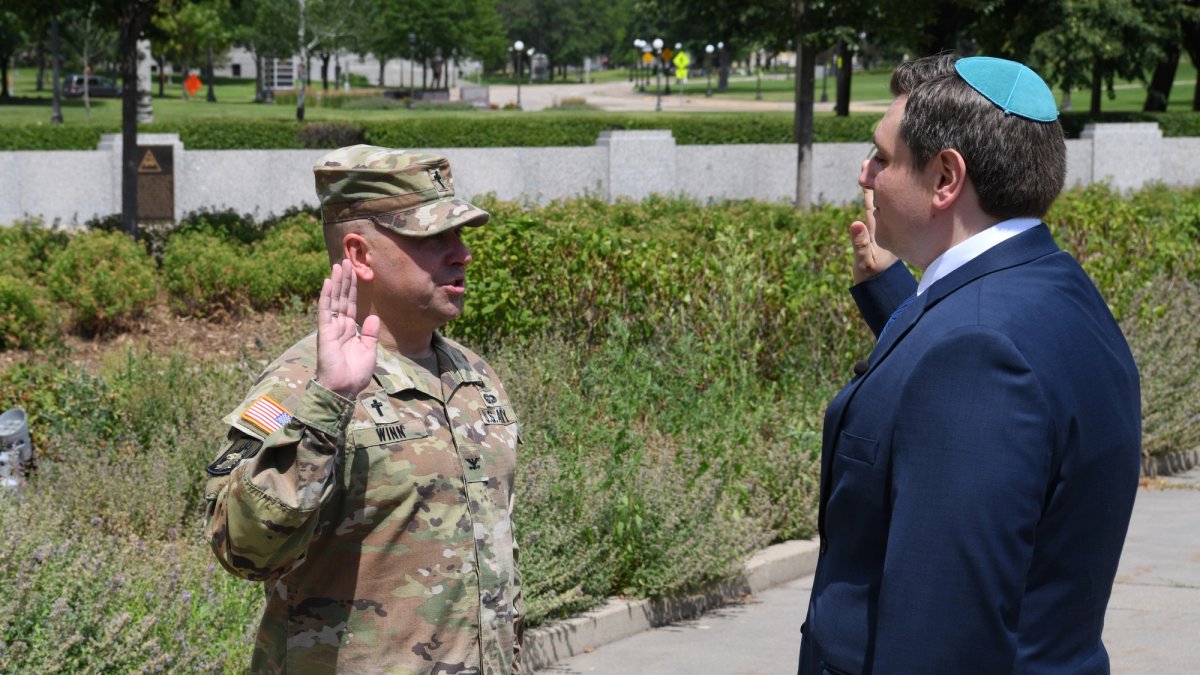
On May 20th of this year, the Under Secretary of Defense issued a memo directing the “Implementation of updated and consolidated Religious Affiliation Codes” across the Department of Defense. It reduced and consolidated the number of codes from more than 200 to 31, later adjusted to 30. The Secretaries of the Military Departments were directed to convert their personnel systems and report their process to update their service members' records no later than “15 days from the date” of Parnell’s memorandum.
The list was adjusted a few weeks later to remove the “Christian” label from the 19 Christian denominations; they added the Church of Jesus Christ of Latter-Day Saints, and consolidated the list down to 30 codes, as announced by the DOD Rapid Response Twitter account.
The Marine Corps deadline for updating Marines’ records has already passed; it was Sept. 30. The Department of the Army’s deadline is next, requiring their Soldiers to update their records by October 8. Active-duty Airmen and Guardians are required to update their records by Oct. 16, 2026, and Air Force Reserve and Air National Guard members by Nov. 9, 2026, according to an Air Force Personnel Center release.
No deadline has been published for the Navy or Coast Guard.
A Reversal from the First Trump Administration
On March 20, 2017, the Office of the Assistant Secretary of Defense for Manpower and Reserve Affairs (ASD(MR)) issued a memorandum expanding the number of Faith Group Codes to 221, and renaming them as “Faith and Belief Codes.”
The memo, signed by then Acting ASD(MR) Lernes J. Hebert, noted the change from the previous list would accomplish three things: (1) more accurately track religious demographic data in military units, (2) enable better planning for religious support, and (3) provide a better assessment of the Chaplain Corps’ ability to support the service members and their families.
The memo also noted that the actual list of additional faith groups and belief systems was recommended by the Armed Forces Chaplains Board (AFCB), and intended to bring the DoD into compliance with the 2013 National Defense Authorization Act (NDAA, Public Law 112-239, Section 533), “Protection of Rights of Conscience of Members of the Armed Forces and Chaplains of Such Members.”
The intent of the law and the subsequent implementation was the protection of the conscience of both service members and chaplains, and to broaden the list of “recognized” religions to ensure chaplains have better data.

What's on the New List
The new list looks a lot more like the pre-2017 list. The 2026 Religious Affiliation Code (RAC) list consists of 30 faith groups, including 21 Christian churches or denominations, non-Christian religions such as Islam, Sikhism, Judaism, and Hinduism, and three categories for those that do not fit into the other 27: Agnostic, No Religion, and Other Religions.
Faith groups that previously had their own codes but are now in “Other Religions” include Wicca, Paganism, Heathenry, Druidry, Native American traditions, Deism, and Unitarian Universalism.
What’s Not New
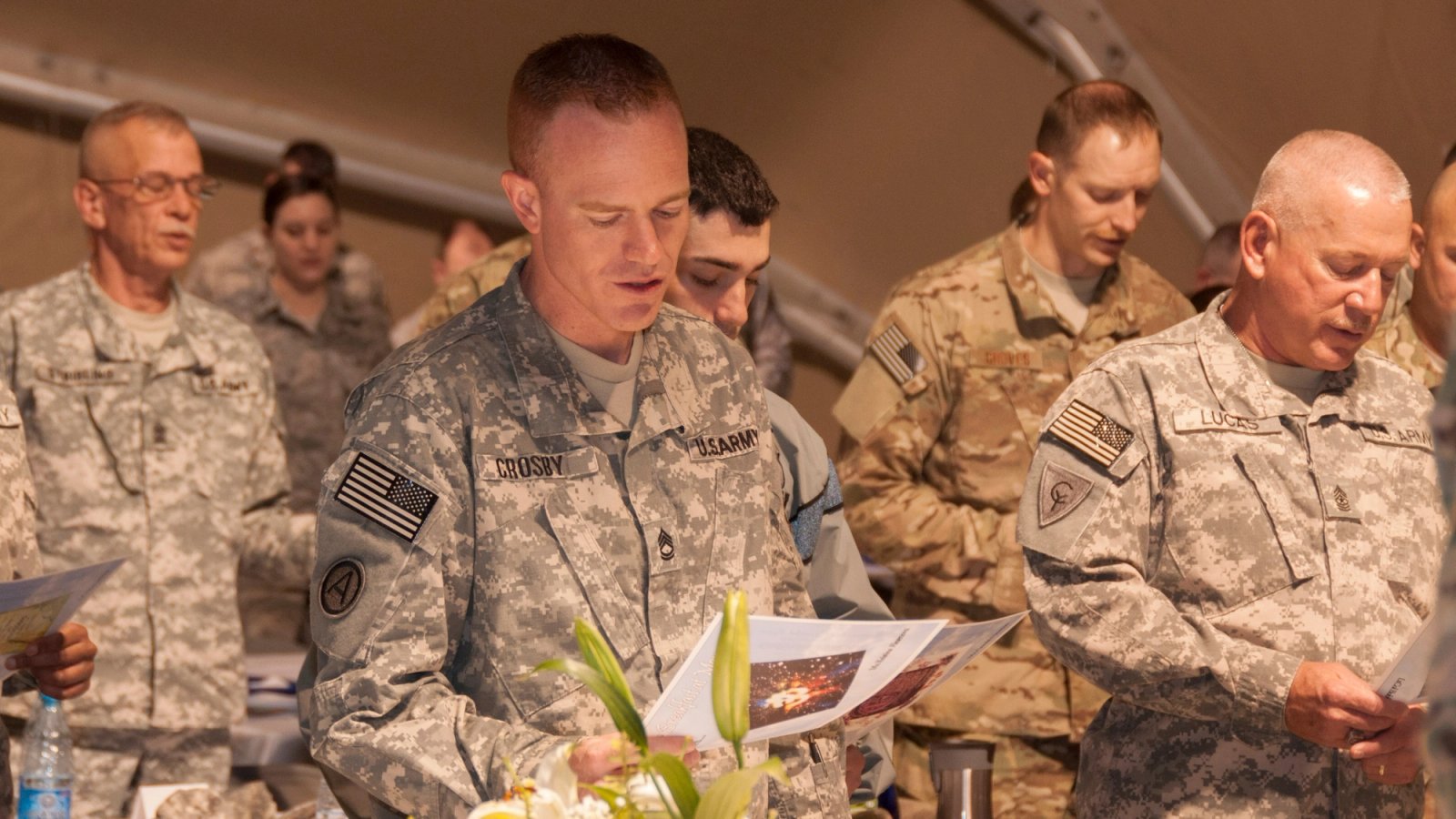
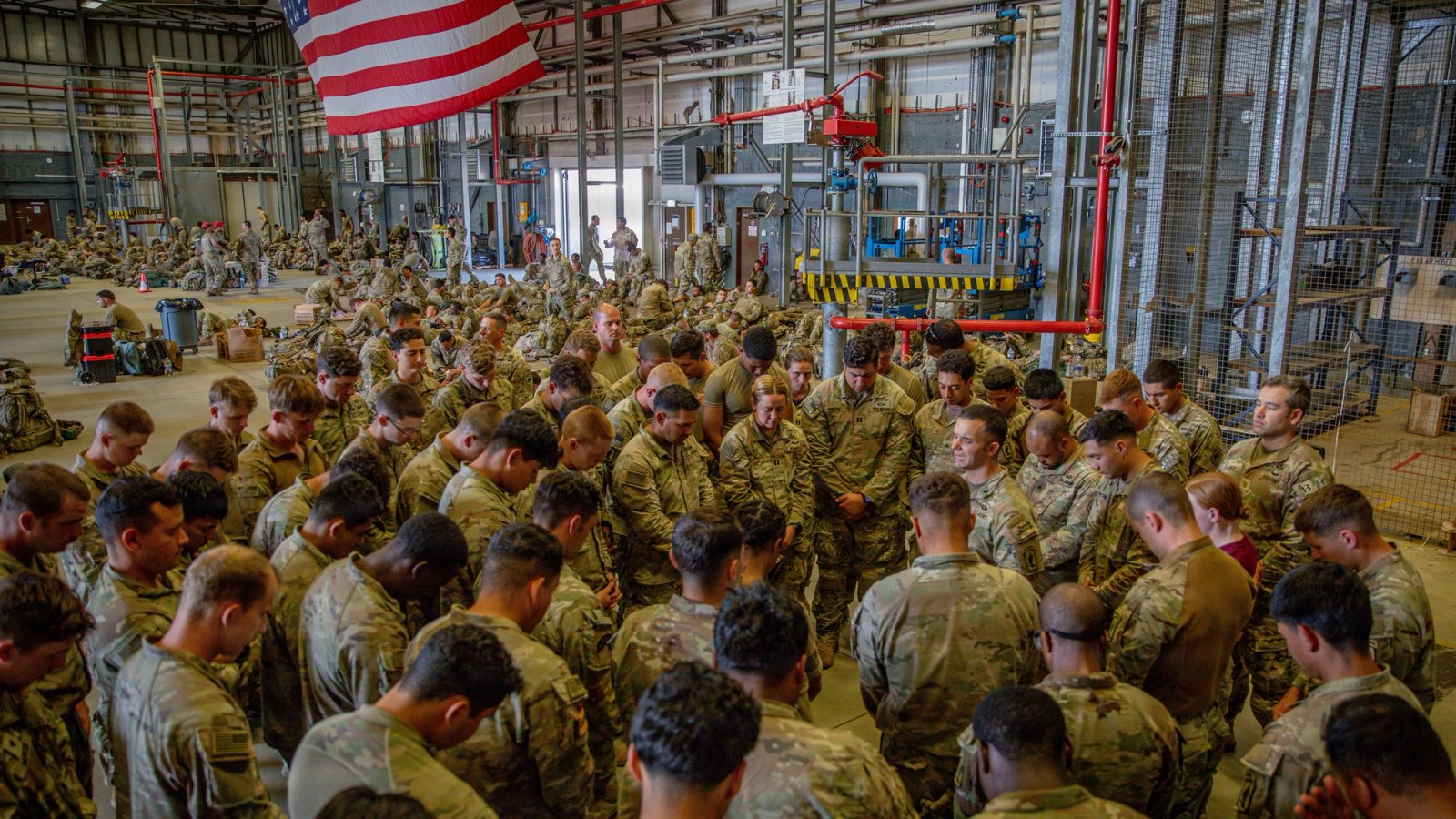
Day to day, servicemembers might not see any changes to how they or their faith/belief group access chapel facilities and services. The processes for practicing one’s beliefs, including what a servicemember wants stamped on their dog tags, remain the same. Servicemembers are free to practice their faith both on base and off, subject as always to the demands of their mission.
In his June 5 tweet, Parnell made it clear that the official position of the Department of Defense was not to provide a list of “officially approved” religions, but that the only purpose was to simplify the demographics of a military unit for chaplains' use and planning. The reduction in codes in the personnel records also does not prevent servicemembers from practicing their faith or identifying their specific belief on their identification tags.
DODI 1300.17 Religious Liberty in the Military Services is the overall DoD policy for how the commanders, chaplains, and service members may practice their deeply held beliefs, whether that be in a religious practice or no religion at all.
In Section 3, the instruction outlines the process for submitting a request for a religious accommodation. The DoDI lists two factors for commanders considering a request for religious accommodation: (1) “the compelling governmental interest” and (2) “alternate means available to address the requested accommodation.”
Examples of religious accommodations could be an exception to uniform policies or grooming standards for religious purposes. It could also be accommodating a duty schedule so as to not work on certain days or holidays, although those types of accommodations are usually made outside the formal process by supervisors.
The New DAFI
So far, the only military Department to rewrite its guidance has been the Air Force. The revised Department of the Air Force Instruction 52-201 reflects changes in the law and updates it from the previous 2021 version. It also implements Secretary of Defense Hegseth’s memos on grooming standards and facial hair, which codified his infamous “no beardos” comments in various venues, including his contentious October 2025 speech at Quantico.
What’s notable about this update is the rigor added to the religious accommodation process. Briefly, the requestor must have a demonstrated and verifiable practice of their belief system, and the commander must verify not only the sincerely held belief, but the requestor’s actual practice. The commander’s statement includes statements from supervisors and co-workers, chaplains, a personal assessment of the requestor’s “sincerity of belief,” and other contextual factors, as well as operational considerations.
The request is reviewed by chaplains and base legal, and the wing commander (or equivalent) must make a recommendation. These are only the highlights, and service members and commanders both should seek the guidance of the base chaplains, JAG, and equal opportunity office when making or reviewing a religious accommodation.
Eventually, accommodation requests are approved at AF/A1 (Deputy Chief of Staff for Manpower, Personnel, and Services) or SF/S1 (Deputy Chief of Space Operations for Human Capital), and a record is maintained there.

What Servicemembers Should Do Now
Servicemembers should ensure that their records are accurate. Airmen and Guardians have until October 16th to log in to vMPF and confirm their codes. Reserve and Guard members have until November 9th.
Soldiers should watch for IPPS-A notifications from their S-1 or chaplain. Sailors and Coast Guard members can expect similar guidance. If your faith is no longer listed, unit chaplains can explain any changes.
Be sure to take a few moments to check your records to ensure the update is made in the system, or it will automatically assign a religion for you.
Continue Reading
Pentagon Cuts Military Religion List From 211 Categories to 31
Marines Have Until September 30th to Update Their Official Religious Affiliations
Join the Conversation

Mickey Addison
Military Affairs Analyst at MyBaseGuide
Mickey Addison is a retired U.S. Air Force colonel and former defense consultant with over 30 years of experience leading operational, engineering, and joint organizations. After military service, h...
Mickey Addison is a retired U.S. Air Force colonel and former defense consultant with over 30 years of experience leading operational, engineering, and joint organizations. After military service, h...
Credentials
- PMP
- MSCE
Expertise
- defense policy
- infrastructure management
- political-military affairs
SHARE: