Pentagon Cuts Military Religion List From 211 Categories to 31


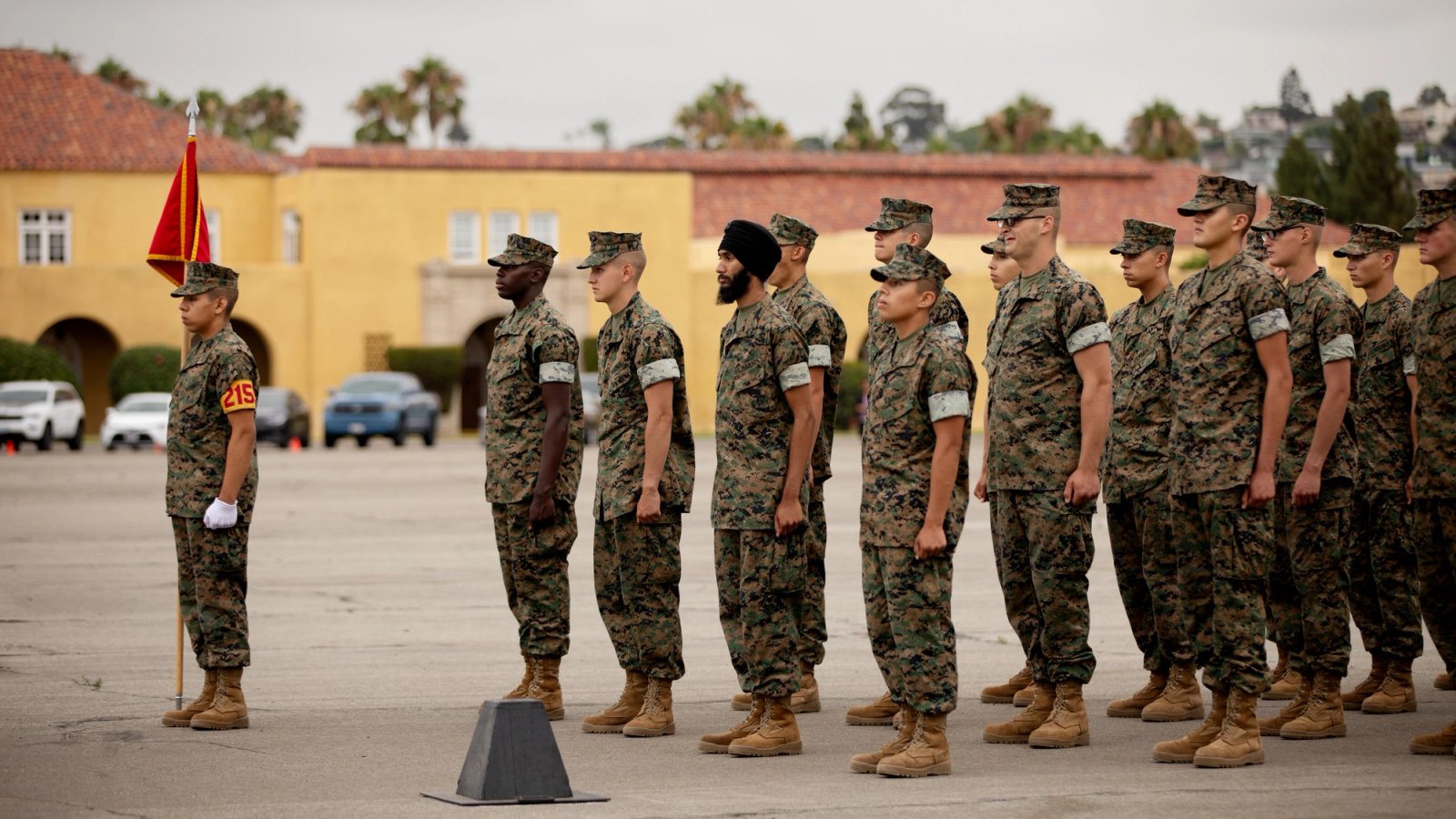
Service members whose faith designations once had their own place in military personnel records are now being folded into broader categories after the Pentagon reduced its religious affiliation list from 211 designations to 31.
The move affects religious affiliation codes used in personnel systems for active-duty troops, reservists, National Guard members, and other military personnel. Defense officials have emphasized that the change does not alter service members' ability to practice their religion, request accommodations, or attend religious services.
Even so, the decision has generated sharp criticism from advocacy groups that argue the revised structure makes some faith communities less visible within the military's administrative systems. The debate centers on more than record-keeping. Religious affiliation codes help the military track the makeup of the force, identify faith communities across installations, and understand demand for religious support.
Pentagon Says Previous System Had Become Unmanageable
Defense Secretary Pete Hegseth defended the decision earlier this year, arguing that the previous system had become too large to serve its intended purpose.
"The previous system had ballooned to well over 200 faith codes. It was impractical and unusable, and many codes were never used at all," Hegseth told Fox News.
Pentagon officials have described the revision as an administrative change intended to streamline personnel reporting and help chaplains better understand the religious composition of military units.
The affiliation codes are used for demographic and personnel purposes. Defense officials have maintained that the categories do not determine whether a religion is legitimate, recognized, or permitted within the military.

Dozens of Standalone Categories Were Eliminated
The revised structure removes many independent categories that previously existed within military personnel databases. Designations such as atheist, humanist, pagan, Wiccan, and Unitarian Universalist affiliations were among those removed as standalone designations.
Other minority faith traditions that previously held separate classifications were consolidated into broader categories. The reduction represents one of the most significant changes to the military's religious reporting structure in years.
LDS Classification Became An Early Flashpoint
Part of the controversy surrounding the rollout involved how The Church of Jesus Christ of Latter-day Saints was categorized within the revised structure.
Reports have detailed that church members and religious advocates objected after early versions of the list appeared to separate the faith from broader Christian classifications. The issue gained attention because members of the church identify as Christians and consider belief in Jesus Christ central to their faith.
Subsequent reporting indicated that the Defense Department revised aspects of the presentation following criticism. The dispute became one of the most visible public reactions to the broader restructuring effort and helped draw national attention to the policy change.
Religious Freedom Policies Remain In Place
The revised coding system does not alter military religious freedom policies.
Service members may still request religious accommodations through established Defense Department procedures. The affiliation code revision does not affect standards for accommodation requests, worship opportunities, or the process for seeking exemptions based on sincerely held religious beliefs.
Reporting on the policy change also indicated that the revision does not affect religious information selected for military identification tags. Pentagon officials have repeatedly described the change as an administrative adjustment rather than a restriction on religious practice.

Advocacy Groups Say Smaller Faith Communities Could Become Harder to Track
Criticism of the policy has focused largely on representation rather than religious liberty. The advocacy organization Interfaith Alliance condemned the change, calling it a violation of the First Amendment and arguing that the revised structure elevates what it described as a "narrow religious worldview" while creating an unconstitutional hierarchy among faith traditions.
The Military Religious Freedom Foundation separately described the reduction as an "unconstitutional, immoral and unethical" policy and argued it reflected what the organization characterized as a push toward Christian nationalism.
Supporters of the change disagree with that assessment and point to the Pentagon's explanation that the reduction was intended to simplify a system that had grown increasingly complex over time. The disagreement highlights a larger debate about the role affiliation codes play within the military.
Separate designations allow faith communities to be counted individually within personnel systems. Critics argue that consolidating those categories reduces visibility for smaller groups and makes it more difficult to understand their presence within the force.
Demographic data helps military leaders estimate demand for religious support across installations and deployed locations.
Pentagon Has Released Few Details About Long-Term Reporting
While Defense Department officials have explained why the affiliation list was reduced, they have provided little public information about how the change could affect long-term religious demographic reporting.
The Pentagon has not publicly explained how commanders, planners, or chaplains will evaluate demand from faith communities that no longer have dedicated affiliation codes. Nor has it released detailed guidance describing how those communities will be tracked under the revised structure.
Those unanswered questions continue to fuel criticism from organizations representing affected faith groups and nonreligious service members. The Pentagon has not publicly released guidance explaining how demand from faith groups that no longer have dedicated affiliation codes will be measured under the new system.
Continue Reading
Pentagon Orders Review of Religious Beard Waivers Already Approved Across the Military
Join the Conversation

Natalie Oliverio
Veteran & Senior Contributor, Military News at MyBaseGuide
Natalie Oliverio is a Navy Veteran, journalist, and entrepreneur whose reporting brings clarity, compassion, and credibility to stories that matter most to military families. With more than 100 publis...
Natalie Oliverio is a Navy Veteran, journalist, and entrepreneur whose reporting brings clarity, compassion, and credibility to stories that matter most to military families. With more than 100 publis...
Credentials
- Navy Veteran
- 100+ published articles
- Veterati Mentor
Expertise
- Defense Policy
- Military News
- Veteran Affairs
SHARE: