Army Reduces Office of Soldiers’ Counsel Services, Raising Concerns for Troops Facing Medical Separation
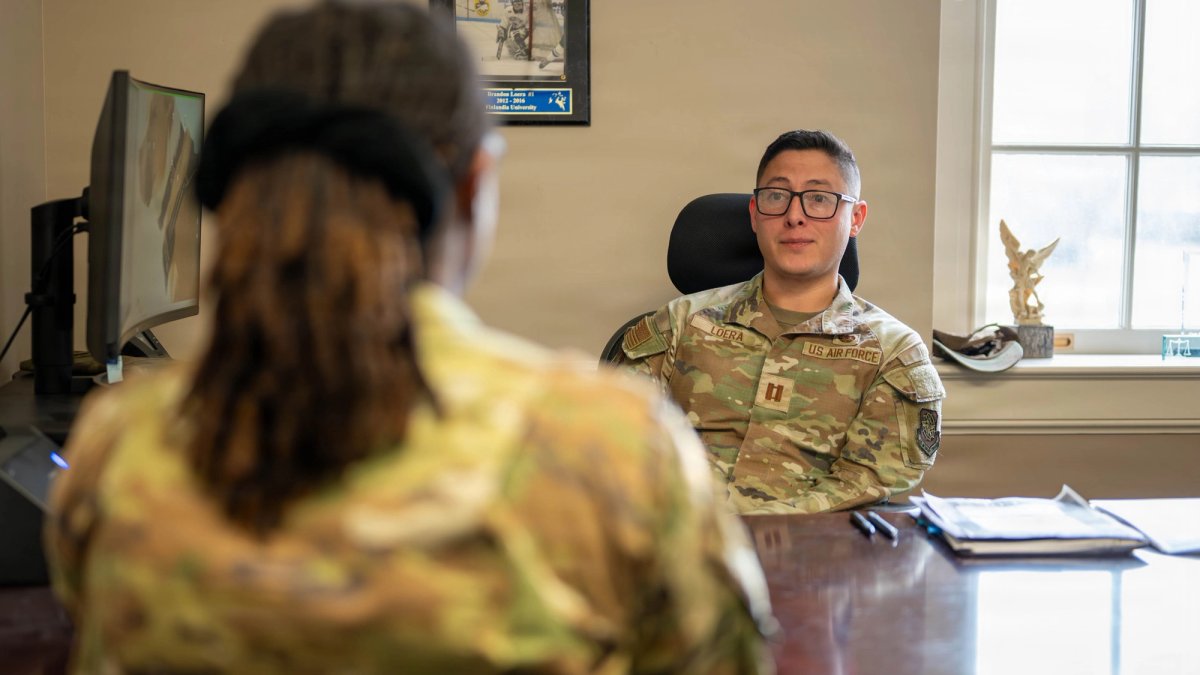
Serving in any branch of the armed forces is inherently risky. From those kicking down doors in “tip of the spear” special forces units to those working in the wide array of support and administrative roles, military life means exposure to unique hazards. As such, service members often suffer injuries or other medical issues which, sadly, can lead to the end of their time in uniform.
For US Army Soldiers in particular who face a medical condition that could result in their discharge, navigating the transition from active service to civilian life can be one of the most difficult emotional, professional, and legal challenges they encounter. The process involves complex medical evaluations, legal standards, and administrative decisions that can determine whether a service member returns to duty or separates from the military and whether or not they receive disability benefits.
For years, the Office of Soldiers’ Counsel (OSC) provided Soldiers with free legal representation and guidance throughout key portions of that process. But the Army recently announced a reduction in the scope of services available through the program, leaving some service members and military legal experts concerned about how troops, particularly National Guard members, Army Reservists, and junior enlisted Soldiers, will navigate the Disability Evaluation System (DES) without the same level of support.
The Army says the changes are the result of staffing limitations and a need to focus available resources on the highest-priority cases. However, critics argue that reducing access to legal assistance could make an already complicated process even more difficult for soldiers dealing with injuries, illnesses, and potential medical separation.

What Is the Office of Soldiers’ Counsel?
The Office of Soldiers’ Counsel is an Army legal assistance program designed specifically to support soldiers involved in the Disability Evaluation System. The program operates as part of the Army Judge Advocate General’s Corps and provides legal advice and representation to eligible soldiers navigating medical evaluations that may determine their future in uniform.
The Disability Evaluation System is meant to assess and determine whether a service member’s medical condition prevents them from continuing military duties. This process typically begins when a Soldier’s medical providers determine that a condition may not meet retention standards.
From there, the process may involve a Medical Evaluation Board (MEB), which reviews medical information and determines whether a soldier’s conditions require further evaluation, and a Physical Evaluation Board (PEB), which determines whether the soldier is fit for continued service and, if not, what type of separation or retirement benefits may apply.
Because those decisions can have long-term consequences for a service member’s career, benefits, and future financial stability, legal representation plays an immensely important role. The Office of Soldiers’ Counsel has traditionally helped soldiers understand their rights in such situations, review medical findings, prepare documentation, and potentially challenge unfavorable decisions when appropriate.
Changes to the Program Reduce Available Representation
Recent Army changes are narrowing the role of the Office of Soldiers’ Counsel. According to reporting from multiple military-focused outlets, OSC attorneys will continue providing representation during certain Physical Evaluation Board proceedings but will no longer provide the same level of legal assistance throughout other stages of the Disability Evaluation System.
Among the services affected are assistance during portions of the Medical Evaluation Board process, certain appeals, and some reevaluations involving soldiers already placed on temporary disability status.
Army officials have attributed the reduction in services to staffing challenges, explaining that available attorneys must be prioritized for cases where representation is most critical. The changes are not described by the Army as eliminating all OSC support, but rather as narrowing the circumstances under which soldiers can receive direct legal representation. When reached for comment, Heather J. Hagan, a US Army spokeswoman, explained,
“Since May 2025, the Office of Soldiers’ Counsel (OSC) has used a phased approach, based on personnel numbers, to limit services to only active-duty Soldiers for statutory formal hearings, including assisting with written requests for formal hearings. During the most critical time, when an active-duty soldier needs it most, OSC provides full statutory legal support."
She continued, stating that, “The Army remains deeply committed to supporting every Soldier through their transition in the Army Disability Evaluation System.”
Still, former military attorneys and advocates have raised concerns about what the changes could mean for soldiers who are left to navigate earlier stages of the process without dedicated legal assistance.
Why Guard and Reserve Soldiers Could Be Especially Affected
While active-duty Soldiers usually have ready access to a variety of military support services on the installations where they serve, National Guard and Reserve members don’t have daily access to those services. This means they may face additional challenges when dealing with medical separation, as navigating a complicated medical evaluation process can be especially difficult for those who are not regularly surrounded by military resources.
Thus, critics of the OSC reductions argue that Guard and Reserve members may be among those most affected because hiring private legal representation may not be financially realistic for many service members.
Though the Army insists,
“To ensure all non-Active-Duty Reserve Component Soldiers continue to receive dedicated legal support, the OSC is smoothly transferring their support to trusted Army National Guard and Army Reserve Judge Advocates.”
Additionally, Junior enlisted soldiers could also face challenges because they may have less experience with military administrative systems and fewer resources available to them.
The Disability Evaluation System involves highly technical questions involving medical evidence, military regulations, and disability ratings. Even small procedural mistakes or misunderstandings can potentially affect the outcome of a case.
The Broader Debate Over Military Health Support
The changes to the Office of Soldiers’ Counsel come amid broader discussions about the future of military medical support. Congress has recently examined proposed changes to military health facilities, including efforts to pause certain reductions and closures while lawmakers review the impact of such changes to the Military Health System.
While the issues are separate, both debates reflect a larger question facing the Department of Defense: how to balance efficiency and resource constraints with maintaining adequate support for service members.
For soldiers dealing with injuries or medical conditions, access to care and access to assistance navigating the consequences of those conditions are closely connected.

What Soldiers Should Know
For service members entering the Disability Evaluation System, understanding available resources remains critical. Even with reductions to the Office of Soldiers’ Counsel, most if not all Soldiers still have access to at least some level of military legal assistance, medical advocacy resources, and other support organizations depending on their status and location.
All servicemembers, no matter how close to the frontlines their work takes them, should familiarize themselves with the Disability Evaluation System early, maintain copies of medical records, carefully review evaluation findings, and ask questions whenever they do not understand a decision affecting their future.
The medical separation process can determine more than just whether someone remains in uniform. It can affect retirement eligibility, disability benefits, employment opportunities, and access to future support programs.
According to the Army spokeswoman Heather J. Hagan,
“To ensure all non-Active-Duty Reserve Component Soldiers continue to receive dedicated legal support, the OSC is smoothly transferring their support to trusted Army National Guard and Army Reserve Judge Advocates.
Concurrently, by shedding administrative complexities, the OSC is focusing its expert legal resources on Active-Duty Soldiers to secure mission readiness—ensuring high-value, essential counsel is delivered to Active-Duty Soldiers.”
They also provided the following link and email addresses that concerned Soldiers can and should visit/message if they need to request an appointment with Reserve JAG representatives:
- Active-Duty Soldiers (including Reserve Component Soldiers on Active-Duty orders greater than 30 days)
- Non-Active-Duty Army Reserve Soldiers:
- Email Address: usarmy.usarc.usar-legal-cmd.mbx.med-assist@army.mil
- Non-Active-Duty Army National Guard Soldiers:
- Email Address: ng.ncr.ngb-arng.mbx.ngb-gc-adlaw1@army.mil
The Future of the Office of Soldiers’ Counsel
The Office of Soldiers’ Counsel was created to provide soldiers with a dedicated resource during one of the most consequential and complicated administrative processes they may face during the entirety of their military careers.
As the Army reduces the scope of the program, questions remain about how soldiers will receive assistance when confronting complex medical decisions that could shape the next chapter of their lives.
For many service members, the Disability Evaluation System represents the transition point between military service and civilian life. Ensuring that they understand their rights and have access to appropriate support remains a critical part of that transition.
Continue Reading
Army Considers Reducing 90,000 Active Duty Soldiers
Join the Conversation

Paul Mooney
Veteran & Military Affairs Correspondent at MyBaseGuide
Paul D. Mooney is an award-winning writer, filmmaker, and former Marine Corps officer (2008–2012). He brings a unique perspective to military reporting, combining firsthand service experience with exp...
Paul D. Mooney is an award-winning writer, filmmaker, and former Marine Corps officer (2008–2012). He brings a unique perspective to military reporting, combining firsthand service experience with exp...
Credentials
- Former Marine Corps Officer (2008-2012)
- Award-winning writer and filmmaker
- USGS Public Relations team member
Expertise
- Military Affairs
- Military History
- Defense Policy
SHARE: