What the New Navy Physical Readiness Test Policy Means for 2026


For many Sailors, physical training has followed a familiar pattern: train harder as the annual fitness test approaches, worry about passing, then reset once it’s over. Beginning in 2026, that routine will change.
The Navy is moving to two Physical Readiness Tests (PRTs) per year, replacing the long-standing once-a-year model. This shift is designed to better reflect real-world readiness and reduce the pressure of relying on a single test to define a Sailor’s fitness.
Here’s what the new policy means and what Sailors should expect.
Two PRTs Per Year Starting in 2026
Beginning in calendar year 2026, the Navy will conduct two Physical Fitness Assessment (PFA) cycles annually:
- Cycle 1: January 1 – June 30
- Cycle 2: July 1 – December 31
Who is required to test?
- Active Component Sailors: Must complete two fitness assessments each year
- Reserve Component Sailors: Must complete at least one fitness assessment each year
The Navy confirmed these changes in a fact sheet published on December 30, 2025, following updated guidance in the Office of the Chief of Naval Operations Instruction (OPNAVINST) released on December 16.
Importantly, the test itself is not changing. The same events, standards, and scoring system will remain in place—the only difference is the frequency.
Consequences for Repeated Failures
The Navy is also reinforcing accountability standards.
According to the policy, administrative separation (ADSEP) is mandatory if a Sailor fails three PFA cycles within the most recent four-year period.
This applies regardless of whether the failures occur under the old annual system or the new twice-yearly model.
As Master Chief Petty Officer of the Navy John Perryman explained, for most Sailors outside of combat arms ratings, the test will be the same PRT they already take—just administered twice a year. The focus is on consistency, not sudden improvement.

Why the Navy Is Making This Change
The Navy believes that readiness cannot be measured once a year. Sailors must be physically prepared at all times—whether deployed, training, or responding to emergencies.
Historically, the Navy conducted two fitness tests per year. That practice stopped in 2020 due to COVID-19, and in 2021, the Navy shifted to a single annual test. The new policy marks a return to the earlier model.
This change also aligns with a September directive from the Secretary of Defense, which requires all military branches to conduct two fitness tests per year.
What to Expect From the PRT and PFA
The overall structure of the assessment remains the same.
The PFA still includes:
- Body Composition Assessment (BCA)
- Physical Readiness Test (PRT)
PRT events remain unchanged:
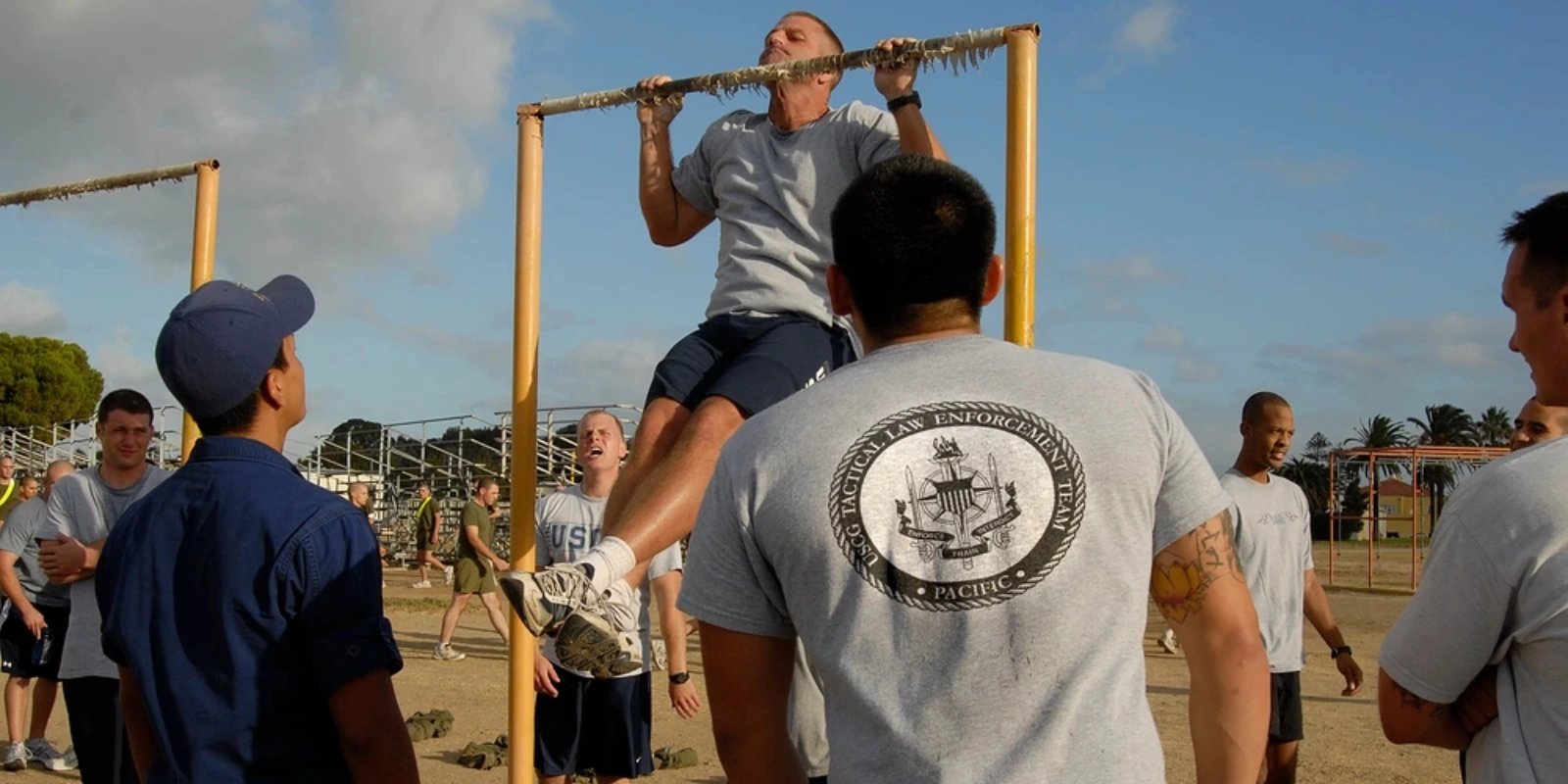
- Push-ups
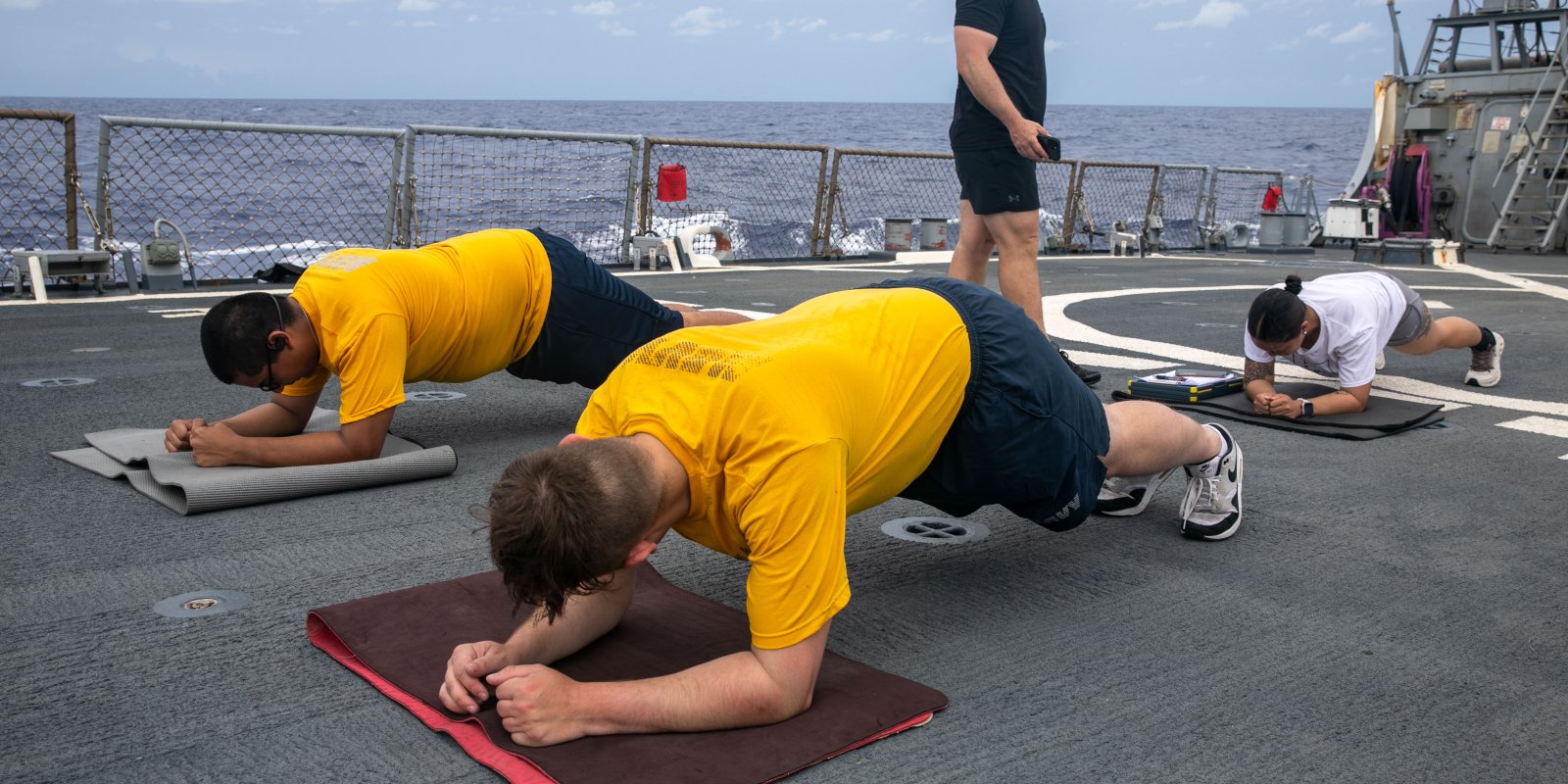
- Plank
- 1.5-mile run
For combat roles—such as Navy SEALs and Explosive Ordnance Disposal (EOD) technicians—the Combat Fitness Assessment (CFA) will continue to apply.

Updated Body Composition Standards
The Body Composition Assessment is now sex-neutral and includes two measurements:
- Waist-to-height ratio
- Overall body composition calculation
These standards are designed to better reflect health and fitness across the force.
What This Means for Sailors
Under the new policy, physical fitness becomes a year-round expectation, not a once-a-year event. The Navy has stated that failure-related impacts on reenlistment, promotion, and career progression will “reset to zero” once Sailors meet standards again.
While some anxiety may remain, the intent is to reduce the pressure tied to a single test date and instead encourage steady, sustainable fitness habits.
Starting in 2026, the Navy Physical Readiness Test will be conducted twice a year. The events are the same, the standards are the same, but expectations are higher when it comes to consistency.
The goal is simple: a force that is physically ready at all times, not just on test day. Over time, this approach is expected to lead to better preparation, less last-minute stress, and a more consistently fit Navy overall.
Read next:
- Trump Unveils Major Navy Fleet Shift: What It Means for Sailors, Bases, and Sea Duty in 2026
- GAO Report Highlights Need for Improved Military Weapons Testing
- Did Pete Hegseth’s Reported “Kill Them All” Order Constitute a War Crime?
Sources:
- Navy Rolls Out Twice-a-Year Fitness Tests
- Navy Publishes Updated Physical Fitness Assessment Guidance Requiring Two Tests Per Year
- Reduction of Mandatory Training Requirements to Restore Mission Focus
- Navy Physical Readiness Program for Calendar Year 2026
- Separation by Reason of Physical Fitness Assessment (PFA) Failure
Continue Reading
Coast Guard Updates Physical Fitness Test for 2026
Navy Quietly Brings Back Mandatory Separation for PFA Failures in 2026
The Navy Is Changing How Sailors Stay Ready, and It Starts With Recovery
Join the Conversation

Allison Kirschbaum
Veteran, Military History & Culture Writer at MyBaseGuide
Allison Kirschbaum is a Navy Veteran and an experienced historian. She has seven years of experience creating compelling digital content across diverse industries, including Military, Defense, History...
Allison Kirschbaum is a Navy Veteran and an experienced historian. She has seven years of experience creating compelling digital content across diverse industries, including Military, Defense, History...
Credentials
- Navy Veteran
- 7 years experience in digital content creation
- Expertise across Military, Defense, History, SaaS, MarTech, FinTech industries
Expertise
- Military History
- Naval Operations
- Military Culture
SHARE: