GAO REPORT HIGHLIGHTS NEED FOR IMPROVED MILITARY WEAPONS TESTING
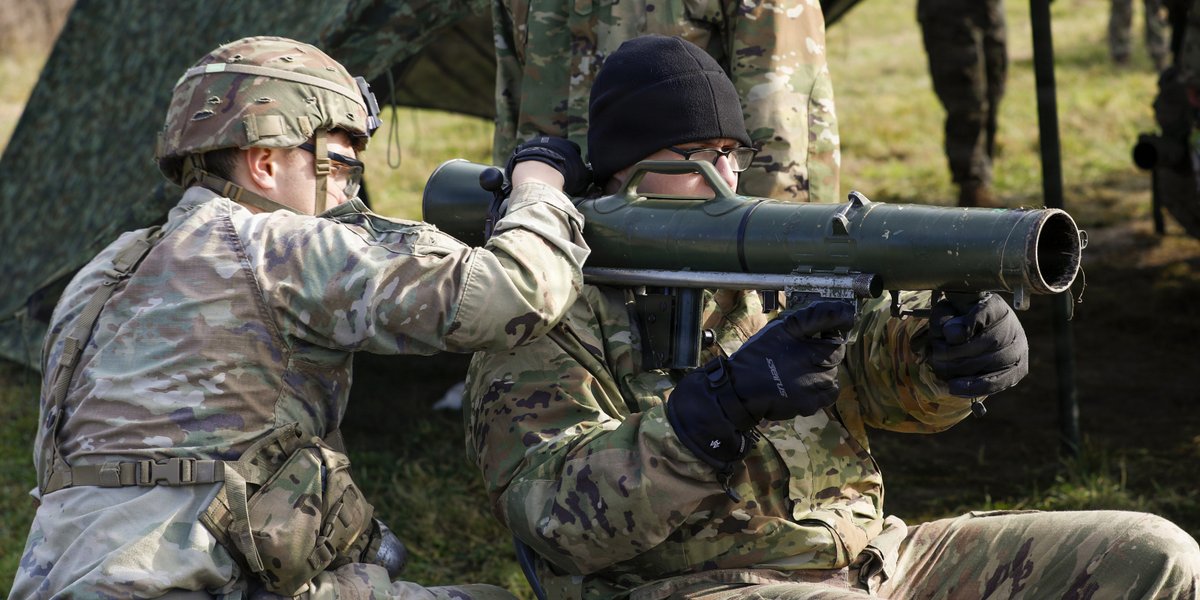
Whenever consumers buy a new gadget, they test it to ensure it works as advertised and meets their needs. In much the same way—but with far higher stakes—the U.S. military must rigorously test weapons systems and warfighting capabilities before deploying them.
A newly released report from the Government Accountability Office (GAO) finds that the Pentagon is falling short in this area. According to the report, current Department of Defense (DOD) testing practices do not consistently reflect how modern weapons systems will actually be used in real combat, raising concerns about effectiveness, reliability, and readiness.
The GAO report calls on the Pentagon to significantly improve how it tests advanced weapons systems before they are fully deployed, warning that outdated or limited testing methods could leave critical gaps in U.S. military capabilities.
Why Weapon Testing Matters
Weapon testing has become more important than ever as military systems grow increasingly complex. At its core, testing answers a simple but critical question: Will this system work when it matters most?
According to the GAO, that question is becoming harder to answer under current testing practices.
The watchdog agency reviewed a 65-page analysis of DOD policies and found that the test systems,
“...are not fully consistent with selected leading practices for product development as applied to test and evaluation: involve testers early, conduct iterative testing, use digital twins and threads, and obtain user feedback iteratively.”
The report also highlights that early and repeated testing can save both time and money by identifying problems sooner—when they are easier and less costly to fix. More importantly, robust testing helps ensure weapons are reliable, effective, and ready for real combat conditions.
Controlled Testing vs. Real-World Combat
One of the GAO’s key concerns is that many weapons systems are tested primarily in controlled environments that do not reflect the realities of modern warfare.
In controlled test settings, systems often operate under ideal conditions: communications are stable, GPS signals are uninterrupted, and adversaries are not actively attempting to jam or disrupt operations. Real-world combat, however, is far less predictable.
The GAO found that while the DOD has expressed intentions to modernize its testing approach, many existing policies still do not fully support realistic, operationally relevant testing. As a result, some weapons systems may be evaluated in environments that fail to capture how they will actually perform under combat stress.
According to the report, DOD policies do not consistently require:
- Early involvement of testers during system development
- Iterative, ongoing testing rather than one-time evaluations
- Use of digital modeling tools such as digital twins and threads
- Continuous input from the service members who will ultimately use the systems
Implementing these practices, the GAO argues, would help identify problems earlier and ensure that weapons systems are not just functional in theory, but effective in real operations.
GAO Recommendations
The GAO’s findings extend beyond individual weapons programs to the broader issue of aligning testing with overall warfighting capabilities. The report emphasizes that weapon systems cannot be evaluated in isolation; they must be tested as part of an integrated operational environment.
As outlined in the report, the GAO issued 13 recommendations, including calls for the Secretary of Defense and the service secretaries for the Air Force, Army, and Navy to revise weapons testing and evaluation policies. The proposed revisions would require:
"...involvement of testers in acquisition strategies; iterative approaches to testing, including use of digital twins and threads; and ongoing end-user input."
According to the GAO, the Department of Defense fully concurred with seven of the recommendations, partially concurred with five, and did not concur with one. However, the GAO maintains that all 13 recommendations remain valid and necessary.
What Happens Next?
The report makes clear that modern weapons systems and warfighting capabilities are too complex to rely on outdated testing methods. Without fully updating policies to align with modern best practices, the Pentagon risks fielding systems that have not been adequately tested under realistic conditions.
As the DOD considers how to respond, the GAO’s findings underscore the importance of reforming weapons testing to better reflect real-world combat environments. Doing so, the report argues, will help ensure that U.S. service members are equipped with systems that perform as expected when they are needed most.
Read next:
- Did Pete Hegseth’s Reported “Kill Them All” Order Constitute a War Crime?
- Chairman of the Joint Chiefs Makes His Second Visit to Puerto Rico Since Drug Strikes Began
- Dem. Lawmakers Urge Military to Refuse Illegal Orders: What Counts as Unlawful?
Sources:

Allison Kirschbaum
Veteran, Military History & Culture Writer at MyBaseGuide
Allison Kirschbaum is a Navy Veteran and an experienced historian. She has seven years of experience creating compelling digital content across diverse industries, including Military, Defense, History...
Allison Kirschbaum is a Navy Veteran and an experienced historian. She has seven years of experience creating compelling digital content across diverse industries, including Military, Defense, History...
Credentials
- Navy Veteran
- 7 years experience in digital content creation
- Expertise across Military, Defense, History, SaaS, MarTech, FinTech industries
Expertise
- Military History
- Naval Operations
- Military Culture
SHARE: