Hegseth Orders Overhaul of Military “Spiritual Fitness,” Redefines Chaplain Role

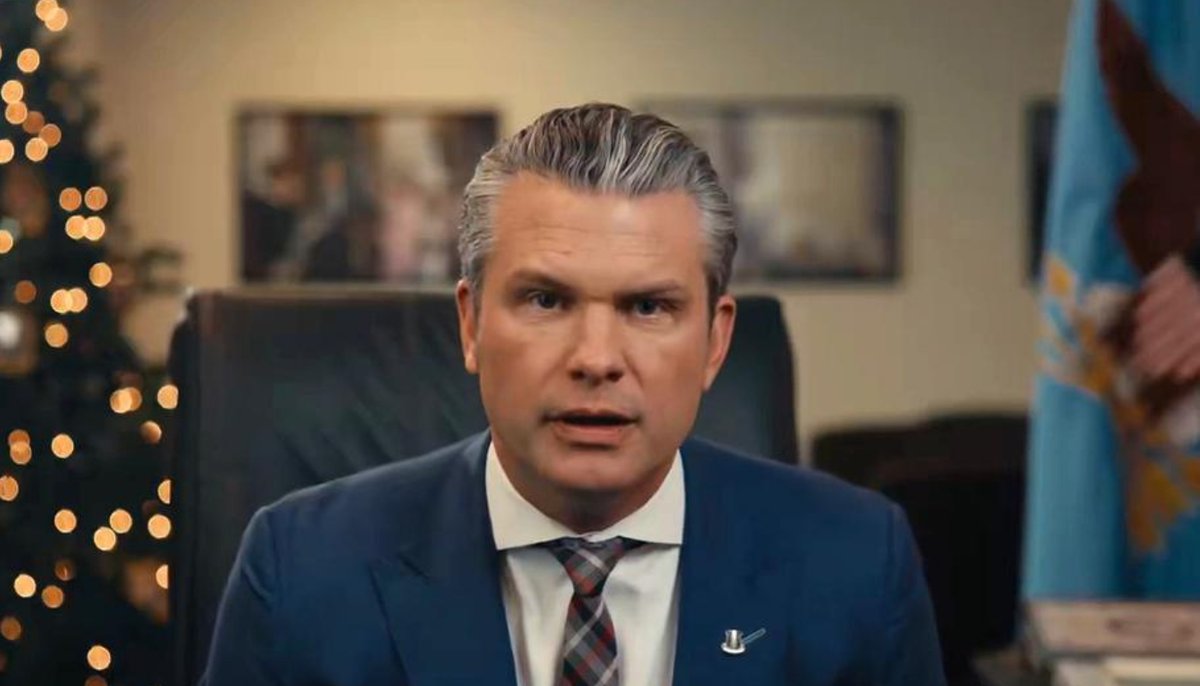
Defense Secretary Pete Hegseth has ordered an immediate overhaul of military spiritual fitness, defined as the programs and policies supporting service members' sense of meaning and purpose, directing the Army to discard its spiritual fitness guidance and indicating changes to the chaplain role, which involves providing spiritual support within the military.
In a video message released this week, Hegseth stated that the military’s existing framework has changed from its foundational purpose, describing chaplains as being assigned a therapeutic or emotional support function rather than serving as religious leaders.
“Our chaplains are chaplains, not emotional support officers, and we’re going to treat them as such,” Hegseth said.
This marks a shift in Pentagon policy on spiritual readiness, renewing focus on religious ministry and raising concerns about access to confidential support.
Army Ordered to Scrap Current Spiritual Fitness Guide
As part of the directive, Hegseth ordered the Army to immediately stop using its existing spiritual fitness guide, criticizing it for lacking a faith-based grounding.
“In well over 100 pages, it mentions God one time,” Hegseth said. “That’s it. It mentions feelings 11 times. It even mentions playfulness, whatever that is, nine times. In short, it’s unacceptable and unserious. So we’re tossing it.”
The guide was part of the Army’s broader readiness framework, which categorized spiritual fitness alongside physical, mental, and emotional readiness.
According to Hegseth, the document reflected a larger trend within the Department of Defense toward secularized language that he felt diluted the chaplain corps’ mission.
Refocusing the Chaplain Corps
Hegseth said the overhaul is intended to restore chaplains to their historical role as religious leaders serving troops of all faiths, rather than positioning them as quasi-mental health providers.
“Faith and virtue were traded for self-help and self-care,” Hegseth said, adding that chaplains had increasingly been “viewed as therapists instead of ministers.”
At the same time, some Veterans and advocates caution that drawing a hard distinction between spiritual care and emotional support risks overlooking how chaplains function in real-world military settings.
Regina Vasquez, a Marine Veteran and military advocate, said minimizing the emotional-support role chaplains play could have unintended consequences for service members already operating under intense pressure.
“Dismissing or minimizing the role of chaplains by asserting that they are not providers of emotional support overlooks the full scope of their mission and poses a serious risk to the well-being of our military personnel,” Vasquez said.
“Chaplains serve as trusted, confidential resources who address the emotional, moral, and spiritual needs of service members, often in moments of crisis when other forms of support may be unavailable or inaccessible.”
Vasquez emphasized that for many service members, chaplains are not an alternative to mental health care but a first point of contact.
“Restricting or mischaracterizing this role may discourage service members from seeking help, thereby increasing isolation, stress, and unresolved trauma,” she said.
“For many, chaplains are a first point of contact, offering guidance without judgment and with absolute confidentiality, an essential safeguard in high-pressure environments.”
How Military Chaplain Services & Confidentiality Work
Military chaplains occupy a unique role within the armed forces. While they often provide counseling and emotional support, they are fundamentally religious leaders operating under constitutional and military law protections.
What Chaplains Do
- Provide religious services and rites according to their faith tradition
- Offer spiritual counseling and guidance
- Advise commanders on religious accommodation and morale issues
- Support service members and families during crises, deployments, and transitions
Confidentiality Rules
Communications with chaplains are protected under the Military Rules of Evidence. Unlike many other support services, chaplains cannot be compelled to disclose confidential conversations, even to commanders.
This confidentiality is one reason service members often seek out chaplains when dealing with sensitive personal, family, or moral concerns.
How Chaplains Differ From Mental Health Providers
- Chaplains are not therapists or psychologists
- Mental health providers can be required to report certain risks; chaplains generally cannot
- Chaplains provide faith-based guidance, not clinical treatment
Defense officials have emphasized that chaplain services are meant to complement, not replace, mental health care within the military.
Changes to Religious Classification Under Review
In addition to discarding the Army guide, Hegseth noted that the Department of Defense will review how it categorizes and recognizes religious beliefs within the military.
The current system includes hundreds of belief designations and was last significantly updated in 2017. Hegseth said the structure has become overly complex and difficult for chaplains to navigate in practice.
The goal, he said, is to simplify the system so chaplains can more effectively support service members while remaining consistent with constitutional protections and long-standing religious accommodation policies.
Specific details on how the classification system may change have not yet been released.
A Return to Historical Roots
Hegseth framed the overhaul as a return to the original purpose of the chaplain corps, which first began back in 1775, when Gen. George Washington authorized chaplains to serve the Continental Army.
He has cited historic Army doctrine describing chaplains as “the pastor and the shepherd of the souls entrusted to his care,” language he said better reflects the role’s intended mission.
Additional guidance and implementation details are expected to be rolled out in the coming weeks.
Continue Reading
Defense Secretary Hegseth Orders Military Medical Review
Pete Hegseth Orders Review of DoD Fitness and Grooming Standards
Hegseth Orders 20% Cut in Senior Military Leadership
Join the Conversation

Natalie Oliverio
Veteran & Senior Contributor, Military News at MyBaseGuide
Natalie Oliverio is a Navy Veteran, journalist, and entrepreneur whose reporting brings clarity, compassion, and credibility to stories that matter most to military families. With more than 100 publis...
Natalie Oliverio is a Navy Veteran, journalist, and entrepreneur whose reporting brings clarity, compassion, and credibility to stories that matter most to military families. With more than 100 publis...
Credentials
- Navy Veteran
- 100+ published articles
- Veterati Mentor
Expertise
- Defense Policy
- Military News
- Veteran Affairs
SHARE: