PENTAGON PREPARES 2026 MODERNIZATION OF BASE PHARMACY SYSTEMS AFTER PERSISTENT DRUG SHORTAGES
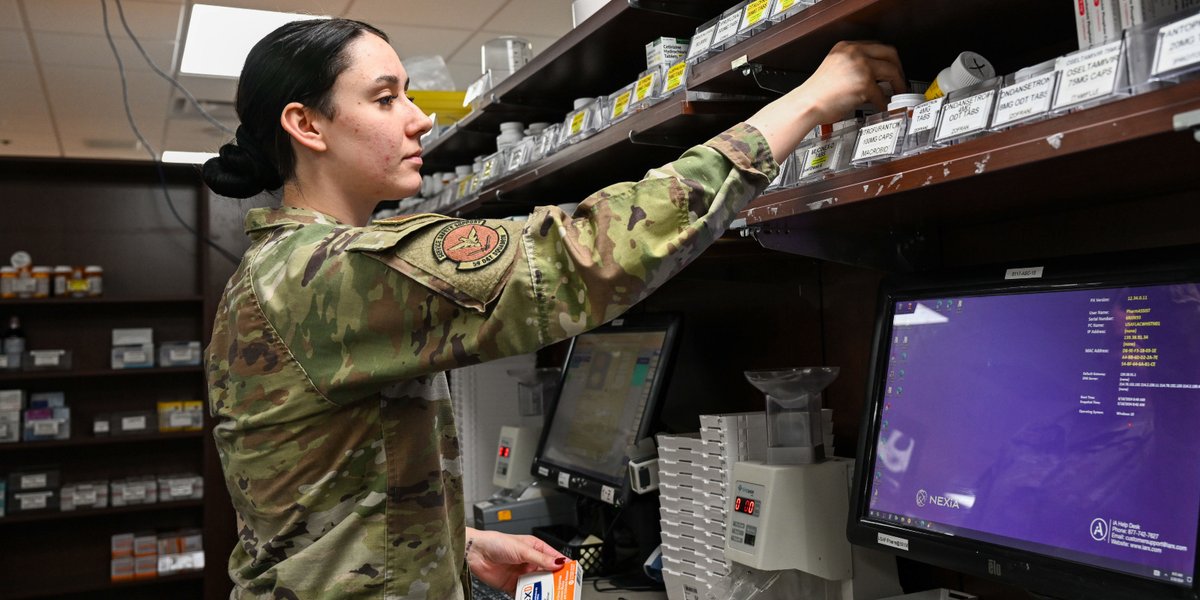
Families have spent two years navigating unpredictable prescription access. For much of 2024 and 2025, military pharmacy shortages became a defining frustration across installations. National drug shortages collided with system limitations inside DoD pharmacies, leaving families to navigate inconsistent inventory levels, sudden backorders, and multi-day delays for routine medications.
The shortages were widespread and well-documented:
- ADHD medications remained in historic short supply.
- GLP-1 drugs, including Ozempic and Wegovy, were constrained across civilian and military channels.
- Asthma inhalers, insulin, and sterile injectables faced rolling national disruptions.
On many bases, families reported calling multiple pharmacies to secure a single refill. Installations shared updates to reassure families, noting that while backorders could last days or weeks, especially for maintenance medications tied to chronic conditions, efforts were underway to resolve these shortages as quickly as possible.
The issue was not unique, but military pharmacy infrastructure struggled more than most due to its medication tracking and movement systems.
DHA Confirms Ongoing Work to Modernize Pharmacy Technology
The Defense Health Agency acknowledged that outdated pharmacy and supply systems limited real-time inventory visibility, delayed redistribution, and made it hard to forecast refill demand.
As DHA continues its multi-year modernization of the Military Health System, currently underway and projected to continue through at least 2026, officials confirm that pharmacy technology improvements are scheduled to accelerate that year, following advancements in logistics, inventory management, and MHS GENESIS integration.
While the Pentagon has not announced a formal, named “2026 overhaul”, DHA has stated in multiple briefings and public materials that:
- Enhanced pharmacy logistics tools are in development
- System-wide visibility and forecasting improvements are priorities
- Better integration between pharmacy systems and patient messaging tools is a long-term objective
- Modernization work is expected to expand in 2026 as new logistics capabilities come online
This aligns with DHA’s broader modernization schedule, which includes enterprise supply-chain upgrades across medical facilities.
Why the Military Was Hit So Hard by 2024–2025 Shortages
Many of the shortages affecting the base pharmacies originated with manufacturers or national supply constraints. But the impact inside DoD facilities was intensified by several structural realities:
1. Legacy Pharmacy Systems Limited Real-Time Inventory Insight
Most installations could not easily see other bases’ inventory levels, even within the same region. That slowed redistribution and made shortages feel more acute.
2. Refill Demand Outpaced Manual Processing Capacity
Many pharmacy workflows still rely on multi-step manual checks. When demand spiked, refill turnaround times lengthened.
3. National Shortages Hit TRICARE Retail and Mail Order at the Same Time
When on-base stock ran out, families were often directed off-base, only to find the same shortages replicated across the civilian network.
4. Chronic-Condition Medications Were the Most Affected
Asthma, ADHD, diabetes, hypertension, and mental-health prescriptions saw the longest disruptions. These medications directly influence readiness, daily functioning, and quality of life.
Together, these issues underscore the opportunity to build a more modern, resilient pharmacy infrastructure across DoD facilities, strengthening confidence in future operations.
What the 2026 Modernization Is Expected to Improve
While DoD has not released a detailed public blueprint, DHA’s stated pharmacy modernization goals indicate what military families are likely to see beginning in 2026 and beyond:
- Better Inventory Visibility Across Installations: Modern logistics tools are designed to help pharmacies view regional supply levels, something many bases cannot do today.
- Improved Forecasting for High-Demand Medications: New systems are expected to better predict when demand for specific medications is rising, particularly during national shortages.
- Clearer Patient Communication About Refills and Delays: As MHS GENESIS continues to mature, DHA has indicated that pharmacies will increasingly be able to push alerts, refill updates, and shortage notifications through patient portals.
- Streamlined Refill Processing: Automation should reduce the number of manual handoffs inside the refill workflow, helping shorten pickup wait times and reduce bottlenecks.
- More Agile Redistribution Between Bases: One of DHA’s primary modernization aims is improving how stock moves between facilities during shortages, an issue repeatedly flagged during 2024–2025.
The result should be fewer avoidable shortages, even when national supply is limited, helping families trust that reliable access is within reach.
What This Means for Readiness
Medication access is a readiness issue, one repeatedly highlighted in DoD, GAO, and RAND studies. Missed maintenance medications for chronic conditions can affect training schedules, deployment eligibility, and day-to-day operational performance.
The modernization efforts signal a broader acknowledgment: pharmacy reliability is fundamental to military healthcare, community stability, and force readiness.
What Families Can Do While Changes Roll Out
The modernization work will unfold across 2026, with timelines varying by installation. In the meantime, families can take steps that align with current DHA and TRICARE guidance:
- Request refills as early as the window allows, and avoid end-of-month surges.
- Use mail order for routine medications when the supply is stable.
- Monitor MHS GENESIS messages for alerts from your local pharmacy.
- Ask whether your installation is part of any modernization pilot or early-phase upgrades.
These steps cannot eliminate national shortages, but they can help reduce disruptions and provide families a sense of control during the transition period.
A More Reliable Pharmacy System Is Finally Within Reach
Military families have managed an invisible burden for years, unpredictable medication access that required persistence, patience, and constant contingency planning. While the national drug supply landscape will always fluctuate, the military’s internal systems should not amplify the instability.
DHA’s modernization aims to close this gap. If improvements unfold as expected in 2026, shortages may become less frequent, less severe, and more predictable, delivering the reliable service members and families deserve.
Suggested reads:

Natalie Oliverio
Veteran & Senior Contributor, Military News at MyBaseGuide
Natalie Oliverio is a Navy Veteran, journalist, and entrepreneur whose reporting brings clarity, compassion, and credibility to stories that matter most to military families. With more than 100 publis...
Natalie Oliverio is a Navy Veteran, journalist, and entrepreneur whose reporting brings clarity, compassion, and credibility to stories that matter most to military families. With more than 100 publis...
Credentials
- Navy Veteran
- 100+ published articles
- Veterati Mentor
Expertise
- Defense Policy
- Military News
- Veteran Affairs
SHARE: