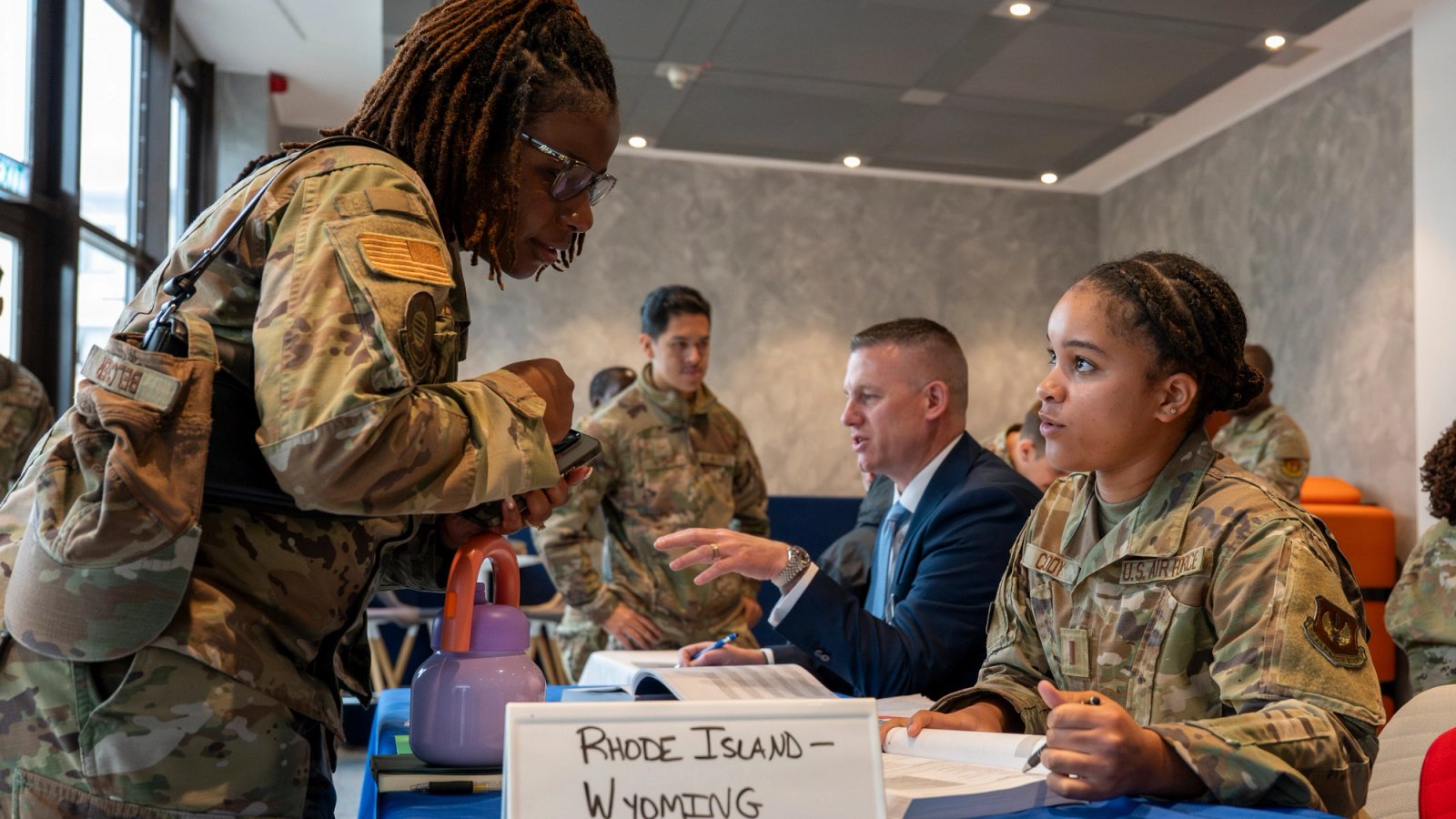
Military Prescreening Now Targets 28 Medical Conditions for Early Disqualification


Some military recruits may now be rejected before they ever make it to the medical floor at MEPS. Under a new policy from the U.S. Military Entrance Processing Command, or USMEPCOM, applicants are now being prescreened for 28 medical conditions officially designated as "Conditions Unlikely to be Waived" (CUW). These are conditions considered highly unlikely to receive waiver approval for military service. The policy affects recruits entering the standard enlistment pipeline for the Army, Navy, Air Force, Marine Corps, Space Force, and Coast Guard.
For families already planning around military service, the pivot changes where the enlistment process can abruptly stop. In some cases, applicants who previously would have completed a full MEPS physical may now be screened out during the initial medical records review instead.
Recruiters and military medical staff have argued that the old process burned weeks processing applicants whose conditions historically had little chance of waiver approval. Hotel rooms were booked, transportation was scheduled, and entire timelines were moved around expected ship dates. Then the file hits medical review, and all that time, work, and effort were wasted.

What the New Military Screening Policy Actually Changes
The military is not creating 28 brand-new disqualifying medical conditions. Most of the conditions tied to the new prescreening process were already considered medically disqualifying under existing DoD accession standards. What changed is how early those conditions may now trigger review or disqualification during enlistment processing.
Army Col. Megan McKinnon, the command surgeon for USMEPCOM, said the updated screening process is designed to reduce unnecessary medical evaluations, redirect resources more effectively, and ease pressure on an overburdened recruiting system. Applicants with certain flagged conditions may now be identified before receiving a full MEPS medical evaluation appointment.
Military Benefits Eligibility Checker
Answer a few questions to discover which military and VA benefits you or your family may be eligible for.
10 questions • Takes about 2 minutes
That doesn’t automatically eliminate waiver authority, but officials made clear the listed conditions are viewed as being highly unlikely to receive approval in most cases. There is still some gray area inside that process, especially between military branches, and definitely on a case-by-case basis.
Waiver decisions can depend on severity, treatment history, recurrence risk, medication use, deployability concerns, and current force needs. Some conditions also carry different operational concerns depending on occupational specialty. None of that guarantees approval.
Which Medical Conditions Are Included?
The list of conditions spans chronic illness, psychiatric disorders, autoimmune disease, severe allergy history, orthopedic complications, and certain cardiac or cancer-related diagnoses.
Among the conditions reported are Type 1 diabetes, Type 2 diabetes requiring medication, bipolar disorder (I and II), Crohn’s disease, ulcerative colitis, narcolepsy, systemic lupus erythematosus, fibromyalgia, sickle cell disease, multiple suicide attempts, severe peanut allergy involving anaphylaxis, some spinal fusion procedures, and recent major ligament repairs (within the last year).
Additionally, the CUW list flags active cancers (or those in remission for less than one year), pacemakers, cochlear implants, Marfan syndrome, weight-bearing joint replacements, and major heart-related conditions like valve replacements in the prescreening review process.
Military officials have not specified that every applicant with one of these diagnoses is permanently barred from service under all circumstances. What they have said is that these conditions historically carry a very low waiver approval likelihood, and applying for one is largely not advised.

Why the Pentagon Is Tightening the Front End of Recruiting
The Pentagon is already making efforts to reevaluate military accession standards after years of recruiting shortfalls across multiple services.
Last year, Defense Secretary Pete Hegseth ordered a review of enlistment medical standards, which culminated in a July 11, 2025, memorandum regarding disqualifying medical conditions. Hegseth argued the department needed to ensure military readiness requirements remained aligned with deployability expectations.
At the same time, recruiting commands have struggled with staffing shortages, rising medical complexity, and growing administrative burdens tied to applicant processing. Officials argue the system was spending enormous time and manpower processing applicants unlikely to qualify in the first place.
Military families know how disruptive that process can become. Some applicants delay college enrollment, others turn down civilian jobs, or push back apartment leases while waiting for waiver decisions that can drag out for months. When the answer finally comes back, and it is "no," there’s a lot of frustration felt on both sides.
What Applicants Should Expect Now
Medical history documentation will likely face heavier scrutiny much earlier in the recruiting process. Prospective recruits should expect recruiters and MEPS personnel to request detailed records involving mental health treatment, chronic disease management, hospitalization history, orthopedic surgeries, autoimmune disorders, allergy treatment, and prescription history during initial screening stages.
This is where applicants can still get themselves into trouble. Some assume an old diagnosis no longer matters because symptoms improved years ago. Others think undisclosed medical histories will stay buried somewhere inside a civilian records system.
That has become much harder with the DoD relying heavily on MHS GENESIS, the military’s integrated electronic health record system, which can access large portions of civilian prescription and medical history data during enlistment screening.
Recruiters have repeatedly warned applicants against concealing prior medical conditions because undisclosed histories discovered later can trigger fraudulent enlistment findings or separation from service. There are still cases where waiver review may remain possible, particularly when documentation shows extended recovery, long-term stability, discontinued medication use, or limited functional impact. But applicants should avoid treating online waiver anecdotes as reliable predictors.
The military appears determined to move decision-making on difficult medical decisions earlier in the recruiting pipeline. For some future recruits, the answer may now arrive before they ever take the oath at MEPS, which, in the long run, is a good thing.
Continue Reading

How to Cast Your Military Absentee Ballot: Step-by-Step Guide for Service Members

Planning Your Military Career? Why You Should Lock in Life Insurance Early

Free Wi-Fi in the Barracks is Finally Here (And the Marines Got It First)
Join the Conversation

Natalie Oliverio
Veteran & Senior Contributor, Military News at MyBaseGuide
Natalie Oliverio is a Navy Veteran, journalist, and entrepreneur whose reporting brings clarity, compassion, and credibility to stories that matter most to military families. With more than 100 publis...
Natalie Oliverio is a Navy Veteran, journalist, and entrepreneur whose reporting brings clarity, compassion, and credibility to stories that matter most to military families. With more than 100 publis...
Credentials
- Navy Veteran
- 100+ published articles
- Veterati Mentor
Expertise
- Defense Policy
- Military News
- Veteran Affairs
SHARE: