Danger Pay for Troops Could Double Under FY2027 Budget Proposal

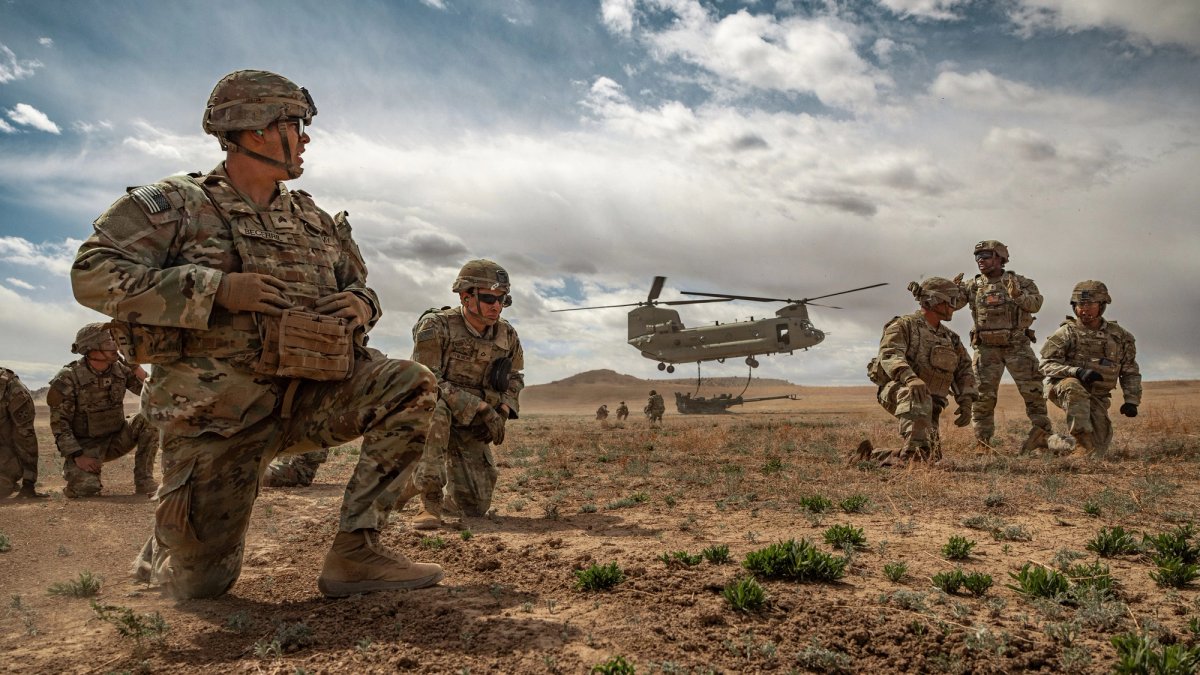
If you've deployed to a combat zone, a hostile fire area, or any of the dozens of regions the Pentagon officially designates as dangerous, you've drawn Hostile Fire Pay or Imminent Danger Pay. That monthly stipend amount hasn't changed in years, but the FY2027 defense budget request could change that. Included in the Pentagon’s proposed budget is a line item to raise the ceiling on both pays significantly, and a congressionally mandated review already underway that could expand the list of eligible locations.
What These Pays Are and How They Work
Hostile Fire Pay (HFP) and Imminent Danger Pay (IDP) are special pays authorized under Title 37, U.S. Code, Section 351. They're related but distinct special pays. HFP is triggered by an event - being subjected to hostile fire, a hostile mine explosion, or any other hostile action, or being on duty in close proximity to such an event.
IDP is location-based, paid when a servicemember is on official duty in an area the Pentagon has designated as subject to imminent danger due to civil unrest, terrorism, or wartime conditions.
Loading calculator...
A servicemember can receive one or the other in a given month, but not both. Prior to December 31, 2011, members eligible for IDP were paid the full monthly rate for any complete or partial month they served in a qualifying area. The 2012 National Defense Authorization Act modified IDP payments, limiting eligibility to only the actual days served in a qualifying area - $7.50 per day, up to a maximum of $225 per month. HFP, by contrast, is not prorated. If you're exposed to hostile fire on any day in a given month, you receive the full monthly amount.
Both pays have been capped at $225 per month since that 2012 change, or $7.50 a day. The rate hasn't kept pace with inflation, let alone the expanding risk landscape U.S. forces have faced across multiple theaters, so the Pentagon is seeking to increase that pay.

What the FY2027 Budget Proposes
Army and Air Force budget request documents describe increases to the extra pays earned by troops in harm's way. The Air Force budget describes allocations for increases to hostile fire and imminent danger pay, noting that the Pentagon has increased both rates to the maximum statutory threshold, effective at the start of FY2027.
That maximum threshold matters. Under 37 U.S. Code Section 351, hazardous duty pay for members performing duty in a designated hostile fire area may not exceed $450 per month. The current rate is $225. Raising pays to the statutory maximum would double what troops in hostile fire areas receive each month.
For IDP, the statutory ceiling is $275 per month - also higher than the current $225 rate, though a smaller increase than the HFP jump.
One important caveat: a Pentagon official told Military Times that the Department of Defense had yet to commit to increasing pays for hazardous duties, stating that no decision has been made to increase the current rates for hostile fire or imminent danger pay. Budget documents are proposals, not policy.
Congressional action is required, and the rates don't change until an appropriations bill, or NDAA, makes it so. Still, the fact that both the Army and Air Force budget justification documents include the higher figures is a meaningful signal.

Where the Money Would Apply
The current DFAS list of imminent danger pay areas includes 59 locations, some permanent and some provisional. On February 28, the list was updated to add 19 new regions, all connected to Operation Epic Fury, the U.S. campaign against the Iranian regime - from Diego Garcia to the Arabian Gulf. Those additions will remain in effect until the end of the third month following the conclusion of the conflict, and could extend to any follow-on operations.
Loading calculator...
Separately, the FY2026 NDAA mandated a review of the full DFAS list that was required to begin no later than March 1. That review could result in additional regions being designated - or some being removed.
The law also established a routine five-year review cycle beginning in 2031, the first time Congress has required the Pentagon to systematically reassess danger pay eligibility on a regular schedule.
What It Means for Your Paycheck
If the rate increase makes it into the final FY2027 appropriations, a servicemember spending a full month in a hostile fire area would see their HFP jump from $225 to $450.
For IDP, the increase would be from $225 to up to $275. For troops deployed to Operation Epic Fury areas or other newly designated regions, both the higher rates and the expanded location list could apply simultaneously.
The pays are also tax-free in designated combat zones, which amplifies their real value. A $225 monthly bump, tax-free, is worth considerably more than the same dollar amount in taxable wages.
Neither pay was ever meant to fully compensate for the risk of being shot at. But doubling the rate is at minimum an acknowledgment that the current amount hasn't reflected the actual dangerous environment for a long time. Congress now has the opportunity to make it official.
Continue Reading

2027 Military Pay Raise Proposal Hits 7% for Junior Enlisted, 5-6% for Everyone Else

2026 Military Pay Raise: Congress Proposes 3.8% Increase
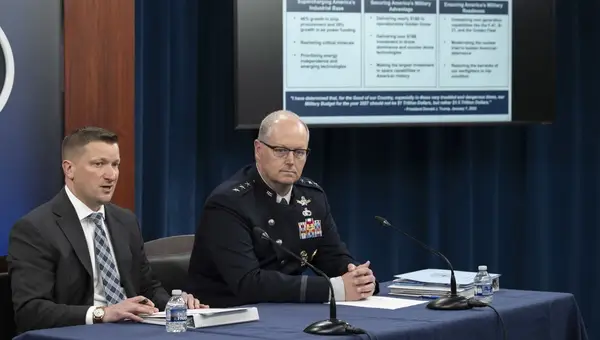
New Drones, Missiles, and Pay Hikes: Inside the Pentagon’s $1.5 Trillion Budget
Join the Conversation

Mickey Addison
Military Affairs Analyst at MyBaseGuide
Mickey Addison is a retired U.S. Air Force colonel and former defense consultant with over 30 years of experience leading operational, engineering, and joint organizations. After military service, h...
Mickey Addison is a retired U.S. Air Force colonel and former defense consultant with over 30 years of experience leading operational, engineering, and joint organizations. After military service, h...
Credentials
- PMP
- MSCE
Expertise
- defense policy
- infrastructure management
- political-military affairs
SHARE: