Do You Meet the Army Height and Weight Standards? Find Out Here

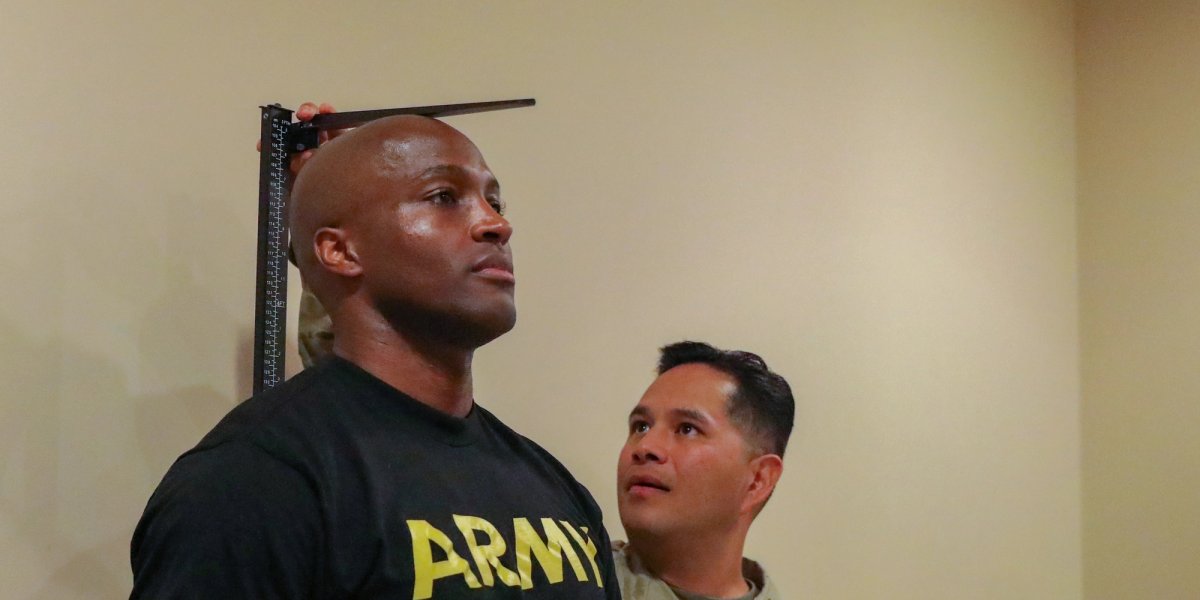
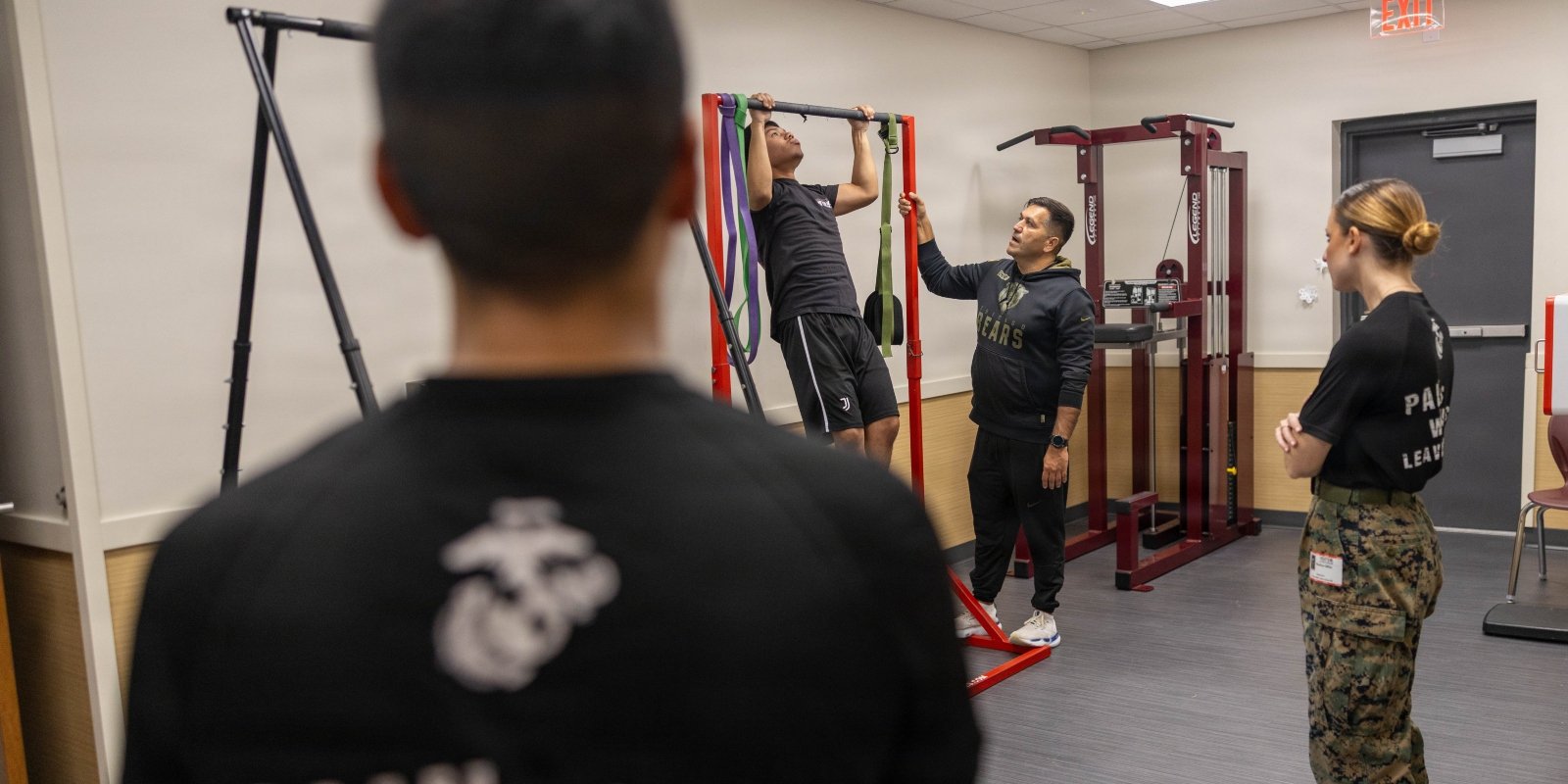
Being a part of the U.S. Army comes with a variety of physical challenges. You need to be in peak condition, as Soldiers face rigorous training, demanding operational tempos, and potentially hostile combat scenarios.
To ensure readiness, the Army enforces strict height and weight standards to provide baseline health guidelines for the fighting force. However, the scale is no longer the only metric that matters. With the recent rollout of the new baseline Army Fitness Test (AFT) and the highly demanding Combat Field Test (CFT), physical readiness in 2026 is measured by performance just as much as body composition.
Here is a complete breakdown of the Army’s height, weight, and fitness standards for 2026.
What Are the Army’s Height and Weight Standards?
In the Army, height and weight requirements serve as an initial screening tool to determine a Soldier's overall health and physical preparedness. The maximum allowable weight depends on your age, biological gender, and height.
Below is a rundown of the U.S. Army’s height and weight screening tables for 2026.
Note: If your height exceeds the limits listed below, Army Regulation 600-9 dictates adding approximately 5 to 6 pounds to the maximum weight for every additional inch.
Army Height and Weight Standards for Men (2026)

Army Height and Weight Standards for Women (2026)

The Tape Test: What Happens If You Exceed the Weight Limit?
A common misconception is that failing to meet the weight limits on the screening table requires a "weight waiver." This is false.
If a Soldier exceeds their maximum allowable weight, they are simply required to take a body fat composition test—commonly known as the "tape test." If you pass the tape test by meeting the body fat percentage limits for your age and gender, you meet the Army standard. No waiver is needed.
Recently, the Army transitioned to a much-welcomed one-site tape test. Instead of the heavily criticized multi-site measurements of the past (which measured the neck, waist, and hips), the modern standard simply measures a Soldier's waist circumference at the navel to calculate body fat.
The Baseline: The 5-Event Army Fitness Test (AFT)
Physical readiness in the modern Army requires more than just meeting weight standards. In 2025, the Army officially transitioned away from the ACFT and implemented the Army Fitness Test (AFT) as the baseline physical assessment for all Soldiers.
The AFT streamlined the assessment process by dropping the power throw and focusing on five core events designed to test full-body strength, endurance, and operational readiness:
- 3-Repetition Maximum Deadlift
- Hand-Release Push-Up
- Sprint-Drag-Carry
- Plank
- 2-Mile Run
Every Soldier in the Army is required to pass the AFT, with scoring standards scaled by age and gender.
Which Military Branch Is Right for You?
Answer 10 questions to discover which branch of the U.S. Armed Forces best matches your personality, interests, and goals.
10 questions • Takes about 2 minutes
The New Combat Field Test (CFT)
While the AFT serves as the baseline for the entire force, the Army recently rolled out a new standard specifically for combat-facing Military Occupational Specialties (MOS).
The Combat Field Test (CFT) evaluates the raw physical preparedness required for the chaotic and grueling realities of the battlefield. Service members must complete the following seven events back-to-back within 30 minutes while wearing a full combat uniform:
- A 1-mile run
- 30 dead-stop push-ups
- A 100-meter sprint
- 16 lifts of a 40-pound sandbag onto a 65-inch platform
- A 50-meter carry of two 40-pound water cans
- A 50-meter movement drill
- A “final” 1-mile run
If a service member in a combat role fails to pass the CFT, they have the option to volunteer for reclassification into a non-combat MOS.

MEPS, OPAT, and the Future of Military Fitness
If you are planning to join the Army, your journey starts at the Military Entrance Processing Station (MEPS). However, MEPS focuses strictly on medical qualifications (vision, hearing, joint mobility). Your actual baseline physical fitness is tested via the Occupational Physical Assessment Test (OPAT) before you ship to basic training, which ensures you have the physical strength required for your specific MOS.
Once in the ranks, staying fit is mandatory. Soldiers are continually evaluated, and those who fail to meet the tape test standards are enrolled in the Army Body Composition Program (ABCP), where they are given resources and strict timelines to safely lose the excess body fat.
The conversation surrounding military fitness is constantly evolving. While height and weight screening tables remain imperfect tools, the shift toward a one-site tape test and the implementation of performance-based assessments like the AFT and CFT show that the Army is increasingly focusing on what a Soldier can do, rather than just the number on a scale.
Continue Reading
2026 Military Fitness Update: Understanding the DoD’s New Body Composition Standards
Are You Military Fit? Take These Military Fitness Tests to Find Out!
Join the Conversation

Allison Kirschbaum
Veteran, Military History & Culture Writer at MyBaseGuide
Allison Kirschbaum is a Navy Veteran and an experienced historian. She has seven years of experience creating compelling digital content across diverse industries, including Military, Defense, History...
Allison Kirschbaum is a Navy Veteran and an experienced historian. She has seven years of experience creating compelling digital content across diverse industries, including Military, Defense, History...
Credentials
- Navy Veteran
- 7 years experience in digital content creation
- Expertise across Military, Defense, History, SaaS, MarTech, FinTech industries
Expertise
- Military History
- Naval Operations
- Military Culture
SHARE: