Free ER Suicide Care for Veterans: What the VA COMPACT Act Covers

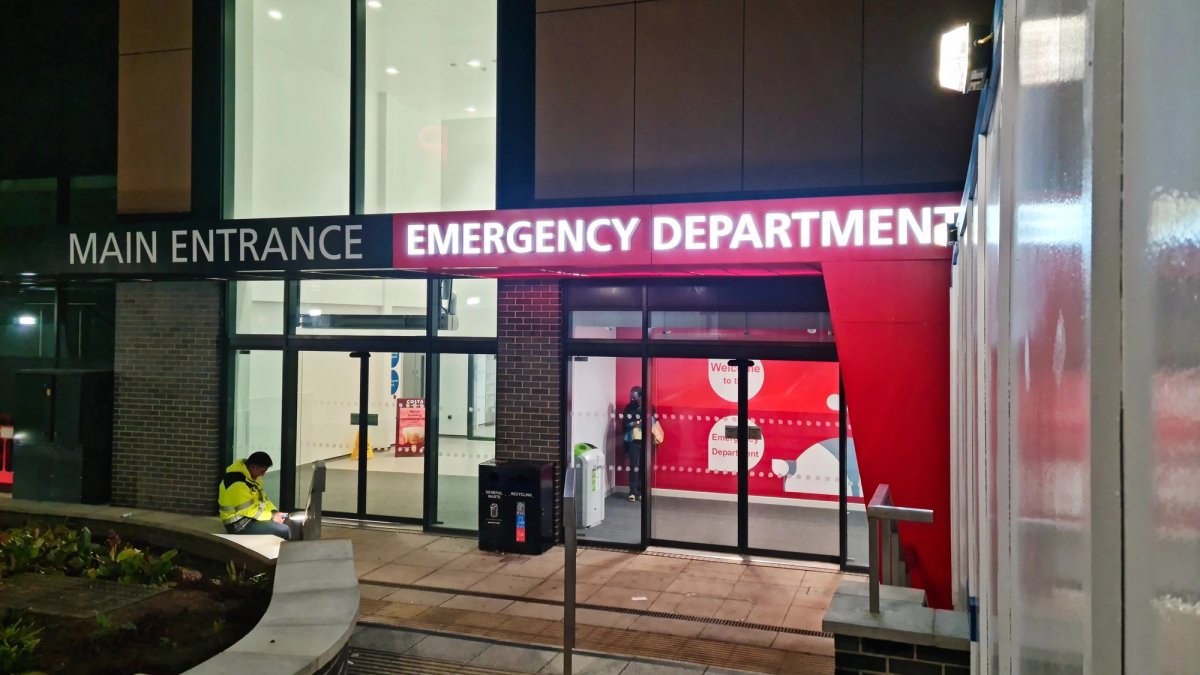
A Veteran in crisis doesn’t have time to stop and calculate what an emergency room visit might cost, whether they qualify for VA care, or whether someone is going to hand them a bill they can’t pay six weeks later. In those moments, hesitation can become dangerous, fast.
What many don’t know is that eligible Veterans experiencing a suicidal crisis can receive emergency care at a VA or a non-VA emergency room, at no cost, even if they are not enrolled in VA health care.
The Veterans that do know about this eligibility typically don’t think of it when in a time of need. Many Veterans think that if they never signed up for VA health care, the door isn’t open to them. Some walked away from the system years ago and never came back. Others assume a civilian hospital will leave them buried in medical debt afterward.
Anticipating any kind of burden in this stage is likely to result in the Veteran not seeking any type of care. The policy has already been in place for more than two years, but awareness inside the Veteran community hasn’t fully caught up. There may have never been a message more important for all veterans to hear, and hear it now.
What the COMPACT Act Changed
Beginning in January 2024, under the Veterans Comprehensive Prevention, Access to Care, and Treatment Act, known as the COMPACT Act, the Department of Veterans Affairs expanded emergency suicide prevention care. The goal was straightforward: remove barriers that keep Veterans from getting immediate mental health treatment during a suicidal crisis.
Before the law took effect, Veterans often faced confusion over eligibility, enrollment status, or where they could seek care. Feeling helpless or hopeless and at their potentially lowest point, some assumed civilian hospitals were automatically off limits unless the VA approved treatment first. Others avoided the ER entirely because they were afraid of what would show up in the mailbox afterward.
The COMPACT Act changed that framework by allowing eligible Veterans in suicidal crisis to receive emergency treatment at both VA facilities and civilian hospitals.
The VA says covered care can include emergency room treatment, inpatient or residential care for up to 30 days, and outpatient care for up to 90 days following the crisis. Eligible transportation costs connected to emergency treatment may also be covered. Most important to remember: Veterans do not need to be enrolled in VA health care to use this benefit.

To Whom Does This Policy Apply?
The policy applies to eligible Veterans experiencing an acute suicidal crisis or mental health emergency. The VA has intentionally framed the policy broadly to expand access.
You do not need to be enrolled in VA healthcare, but you must meet one or more of the following criteria:
- You are a Veteran who served at least 24 months of active duty and was discharged under conditions other than dishonorable.
- You served over 100 days under a combat exclusion or in support of a contingency operation (including Reserves and drone operators).
- You are a Veteran who was the victim of a physical assault of a sexual nature, a battery of a sexual nature, or sexual harassment while serving.
This is not universal free emergency care for every medical situation. It is targeted emergency mental health coverage designed to prevent Veterans from avoiding treatment during a suicidal crisis because they fear cost, paperwork, or lack of eligibility.
Military Benefits Eligibility Checker
Answer a few questions to discover which military and VA benefits you or your family may be eligible for.
10 questions • Takes about 2 minutes
Where Veterans Still Get Caught Off Guard
The phrase “free ER care” spreads quickly online, but without context, it can also create misunderstandings and negative perceptions that can lead to Veterans not utilizing this service.
The COMPACT Act specifically applies to suicidal crisis and emergency mental health care. Other medical emergencies still follow different VA community care rules, which can become far more complicated.
For example, these benefits apply in hospitals and free-standing emergency departments, but the VA COMPACT Act does not cover urgent care facilities.
Some Veterans incorrectly believe all emergency care is automatically covered anywhere. Others believe none of it is. Both misunderstandings carry heavy consequences. One can leave Veterans facing unexpected medical bills, and the other can stop someone from seeking care at all.
Why Awareness Still Hasn’t Caught Up
The VA has reported that tens of thousands of Veterans have already used this benefit since its implementation, with expanded eligibility reaching millions more nationwide. But awareness inside the Veteran community is still uneven. Part of that comes from distrust built over the years. Some Veterans disconnected from the VA system long ago and stopped paying attention to policy changes altogether.
Then there are Veterans who haven’t heard about it at all. A former service member living in a rural area, working full-time, disconnected from military organizations, and not enrolled in VA care may never come across the policy unless someone tells them directly.
That becomes a serious problem when a mental health crisis hits unexpectedly, and nearly 9 million Veterans are not enrolled in VA healthcare.

What Veterans and Families Should Know During a Crisis
The VA’s guidance is clear: Veterans experiencing a suicidal crisis should go to the nearest emergency room immediately or call 911 if emergency assistance is needed.
Veterans can also contact the confidential Veterans Crisis Line 24/7 by calling or texting 988 and pressing 1. (TTY: 800-799-4889). You can also text 838255 or chat confidentially online.
After emergency treatment, providers or family members should make sure the VA is notified within 72 hours when care takes place at a non-VA facility. Hospitals often handle this process, but not always.
To ensure care is covered, you or your provider must report the emergency to the VA within 72 hours by using the VA Emergency Care Reporting portal or by calling 844-724-7842.
What This Policy Solves and What It Doesn’t
The COMPACT Act closed a major gap in emergency suicide prevention care by removing some of the financial and administrative barriers Veterans faced during mental health emergencies. It created a pathway for Veterans to seek immediate treatment without first proving they belong in the system.
There is a reason advocates pushed hard for this change. Too many Veterans were making decisions about whether to seek emergency mental health care while also worrying about eligibility, enrollment status, or cost. At the same time, broader emergency care coverage rules outside mental health crises remain complicated, and many veterans still struggle to understand what is covered, when the VA pays, and what requirements apply afterward.
So while this policy simplified one critical piece of the system, it didn’t simplify all of it. Because when someone is sitting in a parking lot debating whether they can afford to walk through the doors of an emergency room... the policy only works if they already know it exists before the crisis starts.
Tell a Veteran, and check on your friends.
Fact Sheet & Resources
If you or a Veteran you know is in crisis, the confidential Veterans Crisis Line is available 24/7 by dialing 988 and pressing option No. 1, even if you aren’t enrolled. TTY: 800-799-4889.
You can also text 838255 or chat confidentially at https://www.veteranscrisisline.net/get-help-now/chat/.

Continue Reading
VA Disaster Relief: Vital Support for Veterans in Crisis

Here’s How Vets Can Access Healthcare Services Under the MISSION Act

Veterans With Cancer To Get PACT Act Benefits First
Watch the Video


Join the Conversation

Natalie Oliverio
Veteran & Senior Contributor, Military News at MyBaseGuide
Natalie Oliverio is a Navy Veteran, journalist, and entrepreneur whose reporting brings clarity, compassion, and credibility to stories that matter most to military families. With more than 100 publis...
Natalie Oliverio is a Navy Veteran, journalist, and entrepreneur whose reporting brings clarity, compassion, and credibility to stories that matter most to military families. With more than 100 publis...
Credentials
- Navy Veteran
- 100+ published articles
- Veterati Mentor
Expertise
- Defense Policy
- Military News
- Veteran Affairs
SHARE: