The WARRIOR Act: Congress Moves to Lock Women in Combat Roles Into Law

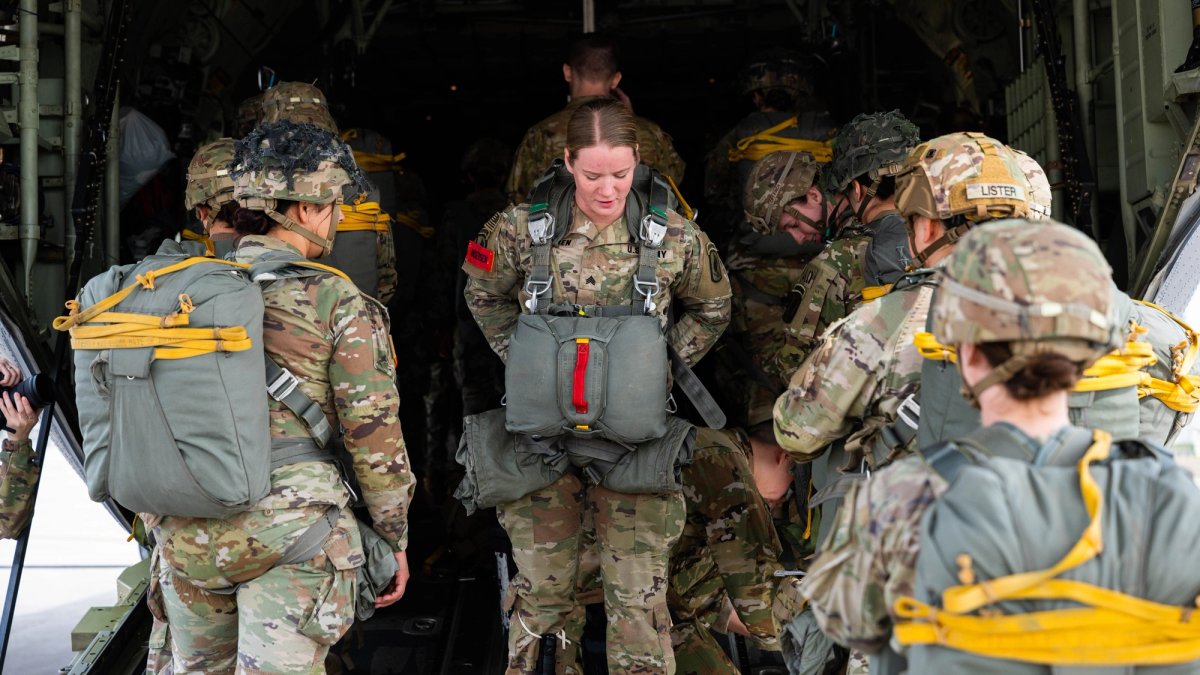
The fight over women in combat is back, and this time it’s not about opening doors. It’s about whether they can be shut again. On March 27, 2026, Chrissy Houlahan, an Air Force Veteran, introduced the WARRIOR Act, a new bill in Congress aimed at doing something the Pentagon never did: make women’s access to every military role permanent under federal law.
Because right now, it still isn’t.

The Military Opened the Roles, But Congress Never Locked Them In
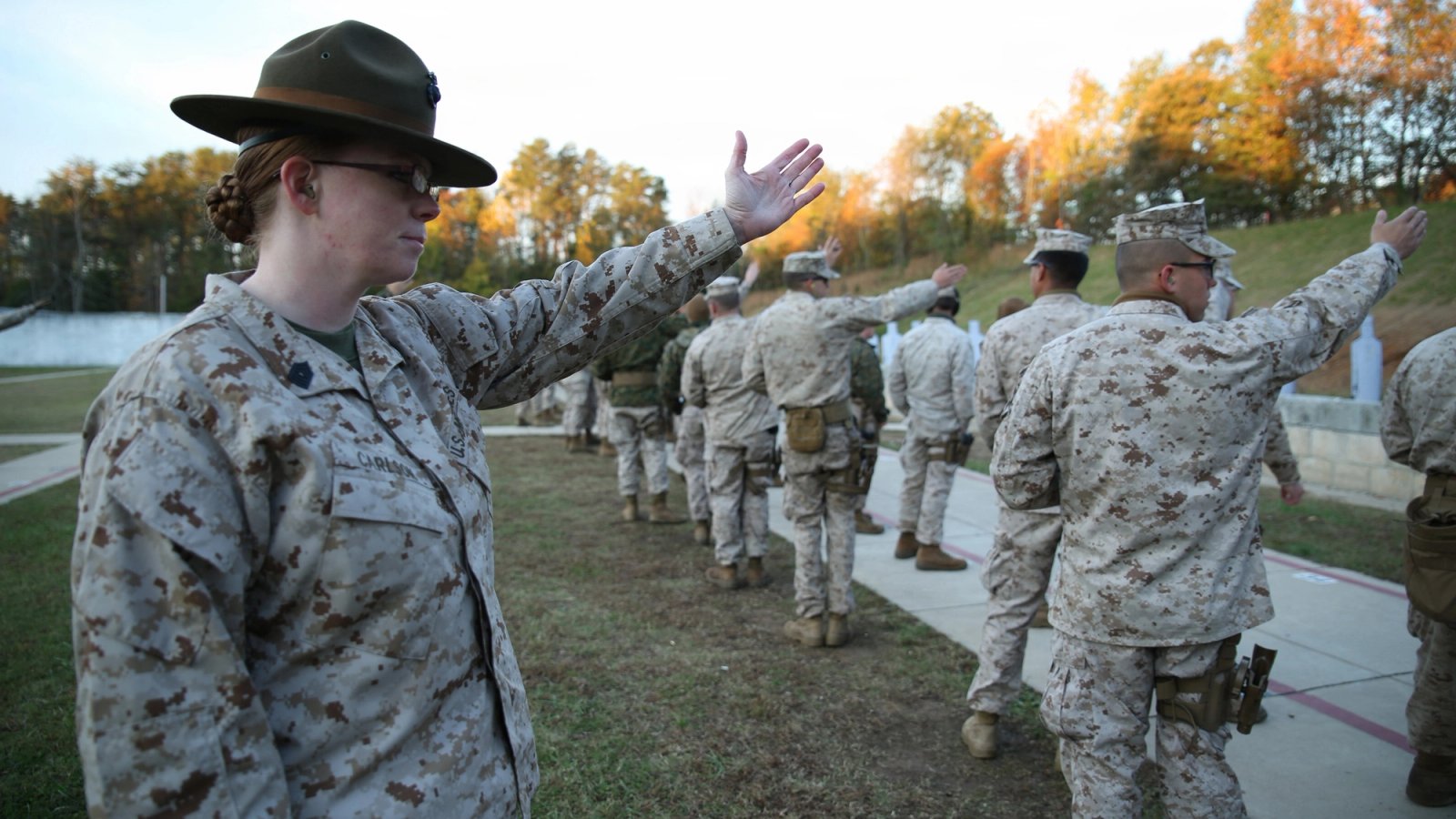
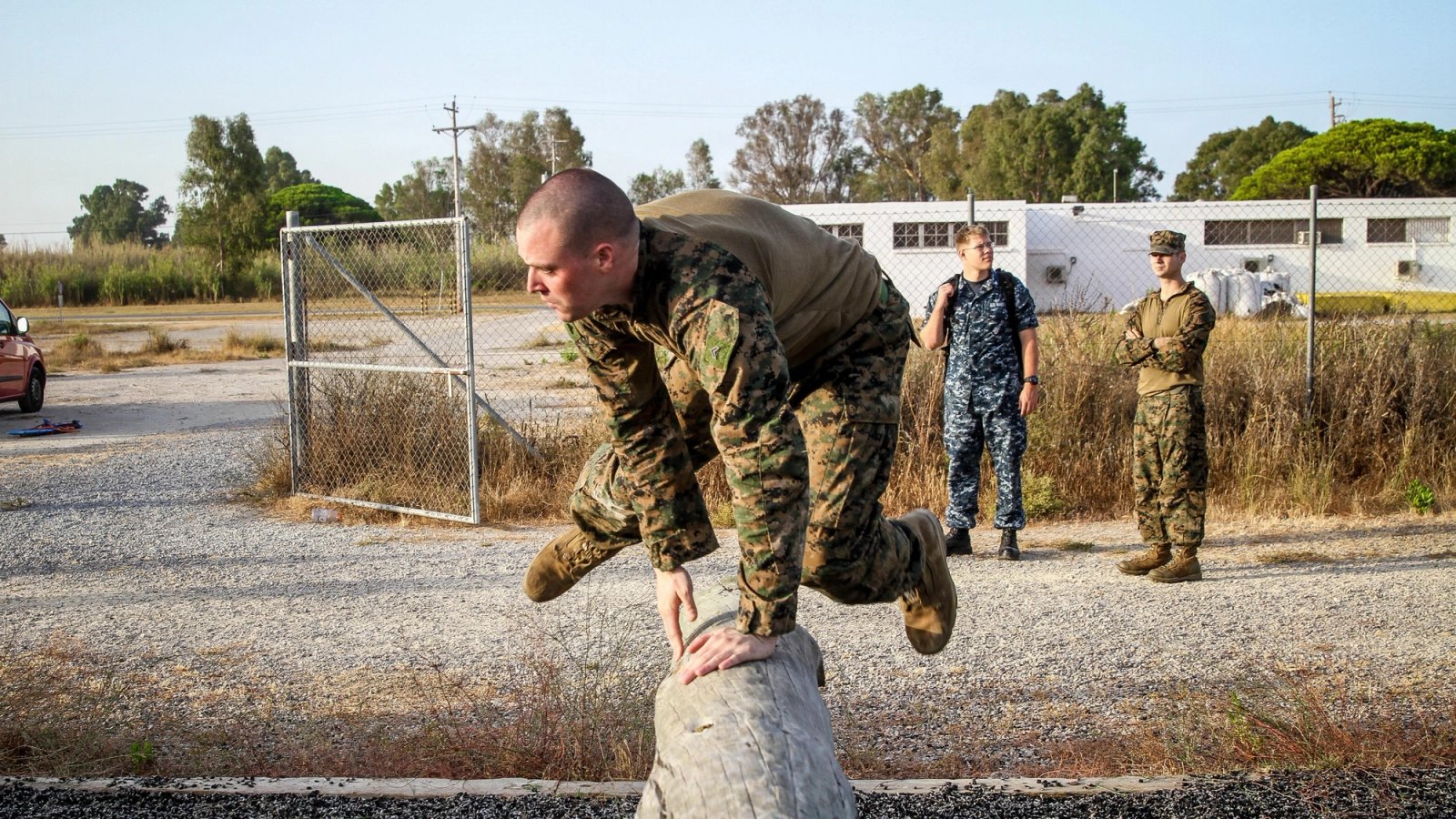
Women have been serving in combat roles for years, in infantry formations, armor units, and demanding pipelines that used to be closed without exception. That access exists under Department of Defense policy, not statute.
Houlahan’s legislation offers a solution for that gap. Her office says the bill would bar exclusion from any military job based on gender and require that service members be judged against standards tied to the job itself, nothing else.
“No one is excluded from serving in any capacity… on the basis of gender,” Houlahan said in the official release announcing the bill.
A Debate the Force Thought Was Over Starts Moving Again
The bill enters the chat as defense leaders revisit questions around combat roles and effectiveness, reopening an argument that had largely faded from public view. Following recent public comments from Defense Secretary Pete Hegseth, alongside the Pentagon’s review of women in combat roles, which was just extended out to a year from now (expected April 2027). That conversation has picked up new urgency, raising doubts in some corners about whether current policies reflect operational reality.
Inside the military, that kind of uncertainty doesn’t sit quietly; it moves through training pipelines, selection processes, and the quieter decisions service members make about where, or whether they stay. The WARRIOR Act doesn’t create access to these combat positions; it ensures access isn’t taken away from those who meet the standard for the job. Supporters of the bill keep returning to the same baseline: if you meet the standard, you earn the role. No quotas, no carve-outs, or lightened requirements based on gender. Women in ground-combat roles have long reported that there has always been only one standard.
This legislation reflects that, requiring gender-neutral standards built around operational requirements of what the job demands, nothing more, nothing less. But standards aren’t fixed; they’re written, enforced, and adjusted, and depending on where this goes in Congress will tell whether women’s roles in combat are locked in, or left on the clock, with fate up in the air.

Veterans in Congress Draw a Hard Line
The bill has drawn support from lawmakers with military backgrounds, including Jason Crow, Pat Ryan, and Derek Tran. Veteran advocacy groups are lining up alongside them, including Iraq and Afghanistan Veterans of America and Minority Veterans of America, organizations that have pushed for years to tie opportunity directly to performance.
The argument is simple and hard to bend; if the military demands the same standard, it owes the same shot to everyone. Opposition hasn’t fully taken shape in legislative language. Not yet. But the familiar concerns are already surfacing: readiness, survivability, cohesion. The same fault lines, just under new light.
Early Bill. Real Consequences.
The WARRIOR Act is at the beginning of the legislative process, expected to move through the House Armed Services Committee before any broader vote. If it advances, it will likely surface again inside the National Defense Authorization Act, where major military policy is often decided out of public view.
Nothing about its path is certain. This bill doesn’t arrive after a settled debate. It arrives while the ground is shifting. For the service members already doing the job, and the ones deciding whether to try, the uncertainty makes a difference in their path forward.
Career paths hinge on stability, training pipelines don’t reset easily, and units don’t operate on hypotheticals. The WARRIOR Act doesn’t change who serves in combat today. It forces a harder question into the open of whether the reality of women in combat changes, or their place in it is sustained indefinitely.
Continue Reading
Civil Rights Groups Sue Pentagon to Release Records on Women in Combat Roles
Understanding VEERP: The USMC’s 2026 Early Separation Program Explained

Why the US Is Weighing MOAB Deployment in Iran After the Midterms
Join the Conversation

Natalie Oliverio
Veteran & Senior Contributor, Military News at MyBaseGuide
Natalie Oliverio is a Navy Veteran, journalist, and entrepreneur whose reporting brings clarity, compassion, and credibility to stories that matter most to military families. With more than 100 publis...
Natalie Oliverio is a Navy Veteran, journalist, and entrepreneur whose reporting brings clarity, compassion, and credibility to stories that matter most to military families. With more than 100 publis...
Credentials
- Navy Veteran
- 100+ published articles
- Veterati Mentor
Expertise
- Defense Policy
- Military News
- Veteran Affairs
SHARE: