Understanding the MOLD Act and Proposed Military Housing Reforms

In military housing, even in general, mold hasn’t always been a simple maintenance problem. There will be repeated service calls, health and safety concerns, and even damaged belongings.
According to the spokesperson for Fort Stewart and Hunter Army Airfield, the base “...has cut mold-related service orders in its barracks by 60 percent."
He went on to explain that instead of just cleaning up surface issues, a specialized team of civilian experts and certified soldiers focuses on finding the source of the moisture, responding within 24 hours, and teaching troops how to keep their spaces dry.
However, there are still different reactions and responses across installations and housing providers. Many military families have reported that they've received poor services like delayed maintenance, inconsistent inspections, limited records, and difficulty securing relocation.
That’s why the MOLD Act’s goal is to address those gaps, and in fact, several protections appear in Section 2825 of the FY2027 NDAA. Yet neither has become law.
Here’s where the legislation stands and what it could mean for military families.

Why Congress Is Revisiting Mold in Military Housing
In 1996, the Department of Defense (DoD) started privatizing much of its family housing under the Military Housing Privatization Initiative. Private companies handle property management and daily maintenance, while military departments remain responsible for overseeing housing conditions and contractor performance.
The system was simply intended to improve aging housing more quickly. But, years of reports about mold, pests, water intrusion, and other hazards have sparked doubts about the government’s consistency in monitoring housing conditions and holding providers accountable.
The Government Accountability Office has repeatedly pointed to problems in the way military housing is monitored. In 2020, it found that inspections were too limited, maintenance records were not always reliable, and performance measures did not always reflect the conditions families were living in.
Later reviews continued to identify gaps, including unclear inspection standards, limited training, and weak support for residents using the formal dispute process.
The same concerns appeared in a February 12, 2026, DoD Inspector General report on Naval Air Station Key West. Inspectors found significant mold and moisture that privatized housing officials had not properly addressed. Some residents also did not receive required medical exams, even when their health concerns may have been tied to conditions in their homes.
Mold often starts with a leak, a plumbing problem, a damp wall, or a very humid room. The CDC says damp and moldy spaces can cause coughing, congestion, wheezing, eye irritation, and skin rashes. People with asthma, mold allergies, weakened immune systems, or chronic lung conditions may face more serious reactions.
What Would the MOLD Act Do?
On January 15, 2026, Senator Richard Blumenthal introduced S. 3654, together with Sens. Tim Sheehy, Joni Ernst, and Mazie Hirono as the co-sponsors of the bill. It was then referred to the Senate Armed Services Committee and remains at the introduced stage as a standalone measure.
The proposal covers military family housing (either owned, leased, or managed) by the DoD. It also includes privatized military housing. The central goal is to replace inconsistent local practices with a minimum national standard.
For the DoD, it would have 180 days after enactment to release interim guidance on acceptable levels of humidity, ventilation, dampness, and even water intrusion. The final standards would also be required within one year and would address control of moisture, environmental testing, and professional remediation of molds.
The bill would also require independent, certified third-party inspections of privatized housing:
- Upon every tenant turnover
- After a tenant submits a safety or habitability complaint
- After remediation, structural repair, or another response to an environmental hazard
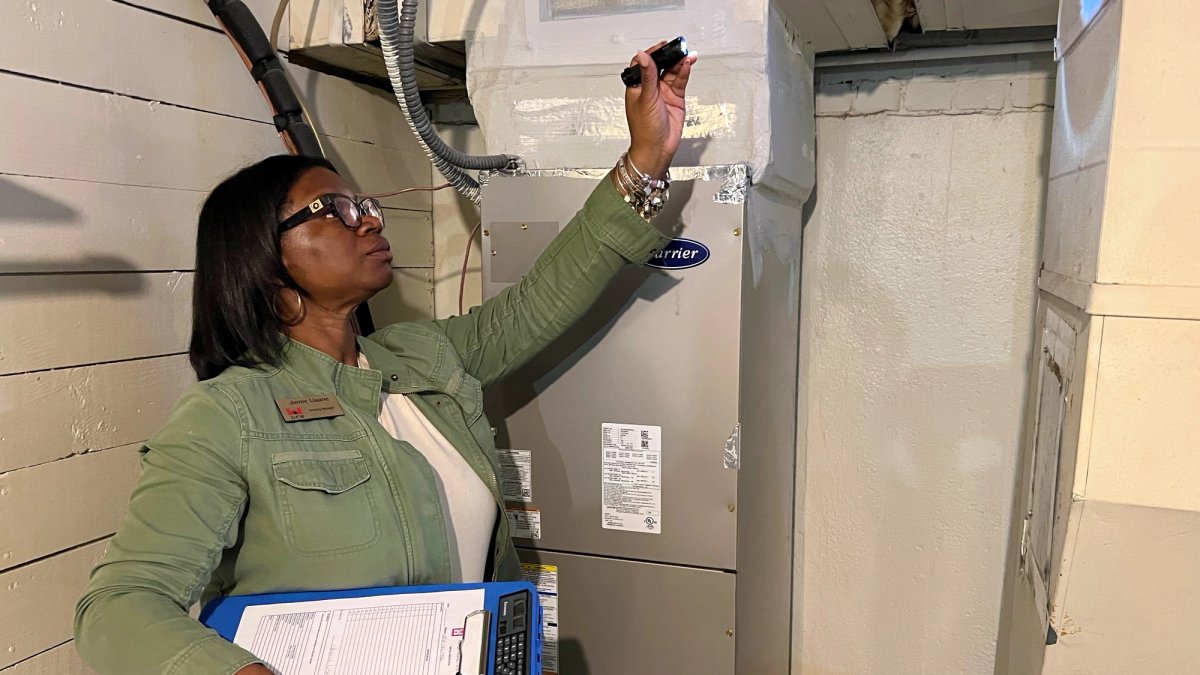
Those inspections would review heating, ventilation, and air-conditioning systems; plumbing; electrical systems; structural conditions; work-order histories; moisture; humidity; microbial growth; and other indoor-air concerns.
Each inspection would receive either a clear pass or a clear fail result. The record would also follow the housing unit, and current or incoming residents could review the house's history. Affected tenants would also receive environmental test results within 10 days of sample collection.
A failed inspection would require remediation or relocation within 30 days when the family wished to move.
The bill would also make providers financially responsible under new or renewed privatized housing agreements and, where practicable, existing agreements. Covered costs would include inspections, maintenance, mold remediation, relocation expenses, property losses, and even refunds on housing allowance tied to an uninhabitable unit.
The proposal would require certified professionals to handle mold assessment and remediation. Work would also follow the S520 Standard for Professional Mold Remediation of ANSI/IICRC. This would address contamination and its moisture source rather than only cleaning a visible surface.

How the FY2027 NDAA Version Differs From the MOLD Act
The Senate Armed Services Committee approved its FY2027 NDAA by an 18-9 vote in June. The reported bill (S. 4784) includes Section 2825, “Development and Implementation of Minimum Health and Safety Standards for Military Family Housing.”
The section keeps many of the Act’s main protections. These include standards for humidity and water intrusion, independent inspections after complaints and repairs, pass-or-fail housing records, and access to test results. It would also include a30-day remediation or relocation timeline, the use of a certified professional, and greater financial responsibility for privatized housing providers.
It would also require the DoD to create a process for withholding or reducing Basic Allowance for Housing payments when a privatized unit fails inspection. If the problems remained after 30 days, withheld funds could be returned to the tenant, and the military department could take further action against the housing provider.
However, the NDAA version is not identical to the standalone MOLD Act. For example, the standalone bill would require inspections at every tenant turnover, while Section 2825 requires them after a complaint and after remediation or repairs. Inclusion in the committee-approved NDAA also doesn’t make the protections final or law.
On July 14, the Senate failed to advance S. 4784 in a 50-46 cloture vote, short of the 60 votes required. The vote concerned the entire NDAA, not the MOLD Act provisions alone. The House has passed its own defense bill, but lawmakers would still need to resolve differences between the two versions before a final NDAA could become law.
Reports said the dispute partly centered on the bill’s spending level. The House has passed its own version, but lawmakers must still resolve the differences before a final NDAA can become law.
Advocates Say the Biggest Gap Is Implementation
The MOLD Act was shaped in part by families and organizations that have spent years documenting problems in military housing.
Change the Air Foundation gathered responses from 3,401 people across 57 military installations in 30 states and Washington, D.C., revealing recurring concerns about unsafe housing. The findings strengthened its push for independent inspections, transparent records, recognized remediation standards, and greater accountability.
Erica Thompson, director of Military Family Relations for Change the Air Foundation, said the most visible progress since the report’s release has taken place on Capitol Hill.
“The biggest change we’ve seen has been on Capitol Hill,” Thompson said. “Congressional offices have gained a much greater understanding of the scope and magnitude of mold and environmental hazards in military housing.”
Thompson also said the reports reaching the foundation remain familiar.
“We’ve continued hearing from military families across every branch of service who describe many of the same recurring challenges: delayed maintenance, inconsistent inspections, limited transparency, and an emerging trend of medical recommendations for displacement or relocation not being honored,” she said.
Military families already have a Tenant Bill of Rights and formal processes intended to help them resolve housing disputes. Thompson said many still struggle to use those protections because they can’t always obtain records, don’t know where to go, or repeatedly have to prove that a problem exists.
“The biggest gap is between policy and implementation,” she said.
“The Tenant Bill of Rights and the formal dispute resolution process were important steps forward, but without meaningful enforcement, many families continue to struggle to access the protections they were intended to provide.”
What Fort Stewart Says Is Working
At Fort Stewart-Hunter Army Airfield, the response depends on where the housing problem occurs. The spokesperson also said soldiers and families may work with the Military Housing Office, privatized housing contractors, or installation maintenance teams to address mold and other concerns.
The installation works with Balfour Beatty Communities on privatized family housing and tracks escalated cases for quarterly review by installation leadership.
“Each case can be different, but whether it’s barracks or housing, timely reporting and access to the affected space allow teams to complete remediation as efficiently as possible,” the spokesperson said.
Fort Stewart’s barracks program provides local context for the broader housing debate. Barracks and privatized family housing operate under different systems, and the MOLD Act primarily addresses the latter.
Still, both depend on timely reporting, effective maintenance, inspections, and moisture control to prevent recurring problems and protect readiness.

What Military Families Can Do to Reduce Mold Risk
Not every building problem is always a controllable issue, but early action may prevent moisture from causing more extensive damage. Here’s what you can do:
- Report problems promptly. Document leaks, condensation, musty odors, water damage, and visible growth with photographs. Save work-order numbers, emails, inspection results, and medical recommendations.
- Monitor indoor humidity. The CDC recommends keeping humidity no higher than 50% when possible. Air conditioners, dehumidifiers, exhaust fans, and adequate airflow can help reduce moisture.
- Dry wet areas quickly. Wet materials should generally be dried within 24 to 48 hours to limit mold growth.
- Address the moisture source. Painting, caulking, or wiping over mold will not prevent it from returning if a leak, condensation problem, or ventilation issue remains.
- Request qualified help for larger problems. The EPA says residents can often address mold covering less than about 10 sq. ft., but larger areas, extensive water damage, recurring growth, or possible HVAC contamination may require experienced professionals.
Why Housing Conditions Can Become a Readiness Issue
A mold problem may start with a leaking pipe, musty smell, or spot on the wall. It can quickly lead to medical visits, temporary lodging, repeated maintenance calls, and concerns about whether the home is safe.
Service members feel the impact too. Time spent documenting damage, meeting inspectors, caring for children, and seeking help through the chain of command can take attention away from training and duty.
“Ultimately, protecting military families isn’t just a quality-of-life issue; it’s a readiness issue,” Thompson said.
“When service members are worried about the health and safety of their families at home, it directly affects the readiness and resilience of the force.”
The MOLD Act treats unsafe housing as both a quality-of-life and readiness concern. Clear standards would not prevent every moisture problem, but they could clarify when a home fails inspection, who must respond, what records families receive, and when relocation is available.
What Military Families Should Watch Next
Military families should monitor ongoing negotiations, particularly if the Senate revisits S. 4784 or if S. 2825 advances. Because the July vote covered the entire FY2027 NDAA rather than the housing provisions separately, the language could still be retained, revised, or even removed before a final bill is enacted into law.
In the meantime, installations and housing providers can improve response times, maintain inspection and repair records, share test results, and track recurring problems.
The MOLD Act aims to create consistent protections. Families facing the same housing hazard should receive similar inspections, renovation timelines, records, and relocation options regardless of where they are stationed.
Continue Reading
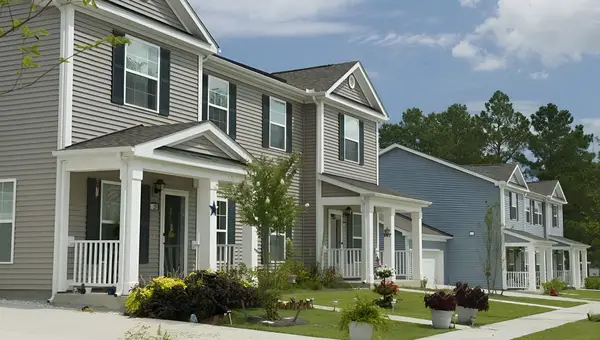
The 2026 Military Housing Rulebook Every Tenant Should Read
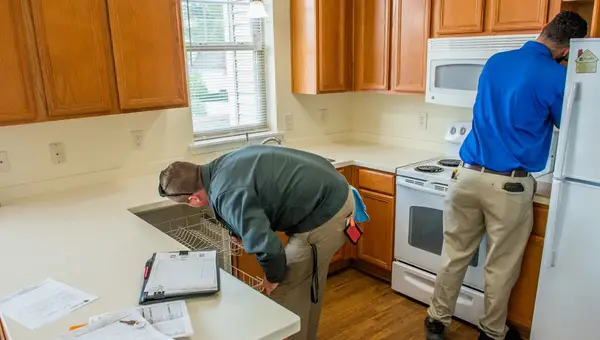
DoD Moves to Standardize PCS Housing Inspections by 2026
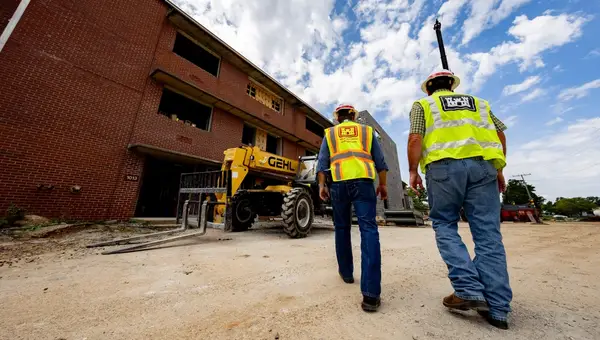
DoD Reveals Full List of Bases Scheduled for 2026 Barracks Repairs
Join the Conversation

Allison Kirschbaum
Veteran, Military History & Culture Writer at MyBaseGuide
Allison Kirschbaum is a Navy Veteran and an experienced historian. She has seven years of experience creating compelling digital content across diverse industries, including Military, Defense, History...
Allison Kirschbaum is a Navy Veteran and an experienced historian. She has seven years of experience creating compelling digital content across diverse industries, including Military, Defense, History...
Credentials
- Navy Veteran
- 7 years experience in digital content creation
- Expertise across Military, Defense, History, SaaS, MarTech, FinTech industries
Expertise
- Military History
- Naval Operations
- Military Culture
Calculate Your BAH
Planning your housing budget? Use our 2026 BAH Calculator to see your Basic Allowance for Housing rates for your base.
Calculate BAH Rates →SHARE: