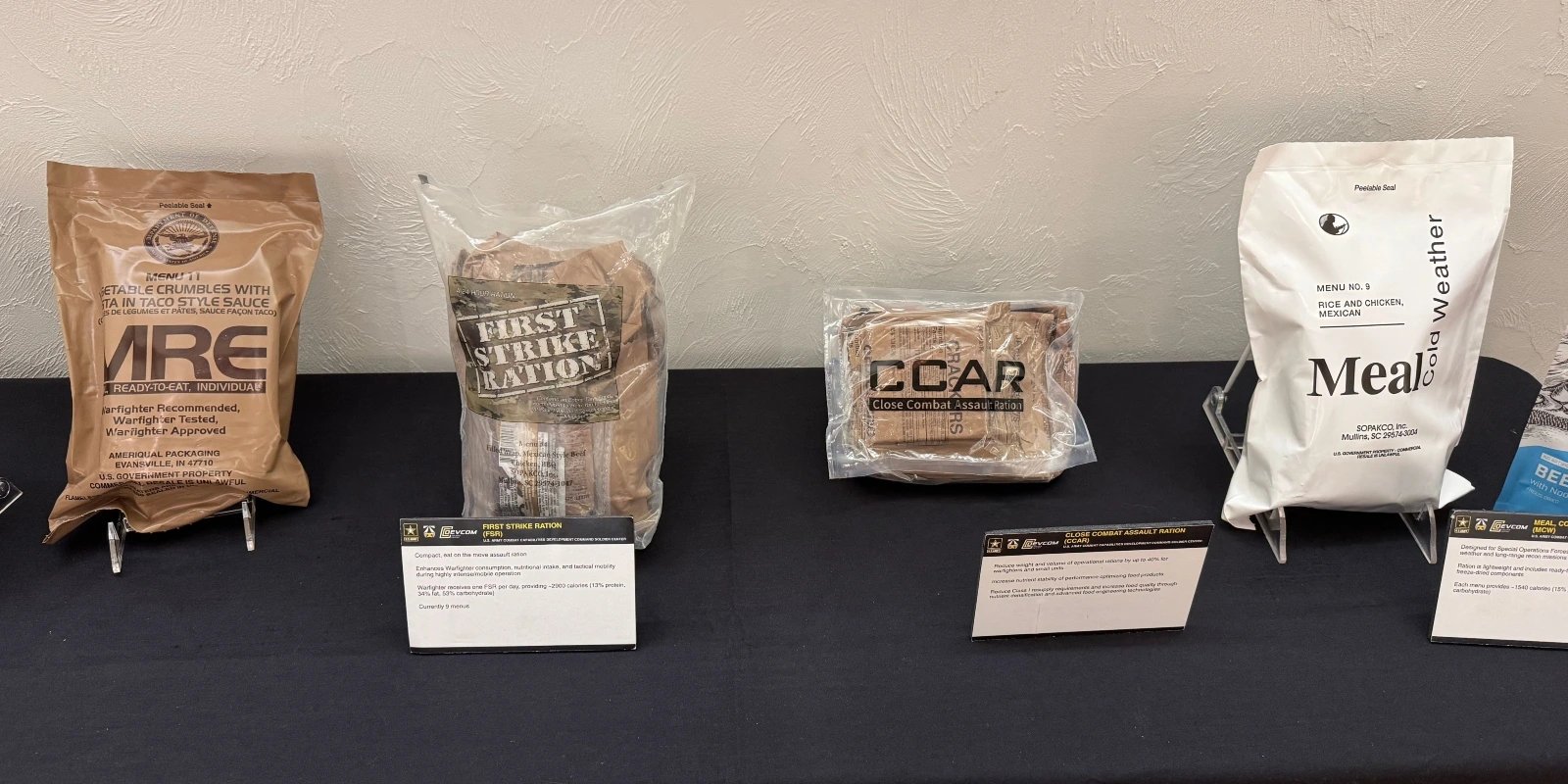
Say Goodbye to the Heavy Ruck: Biotechnology is Replacing the Traditional MRE
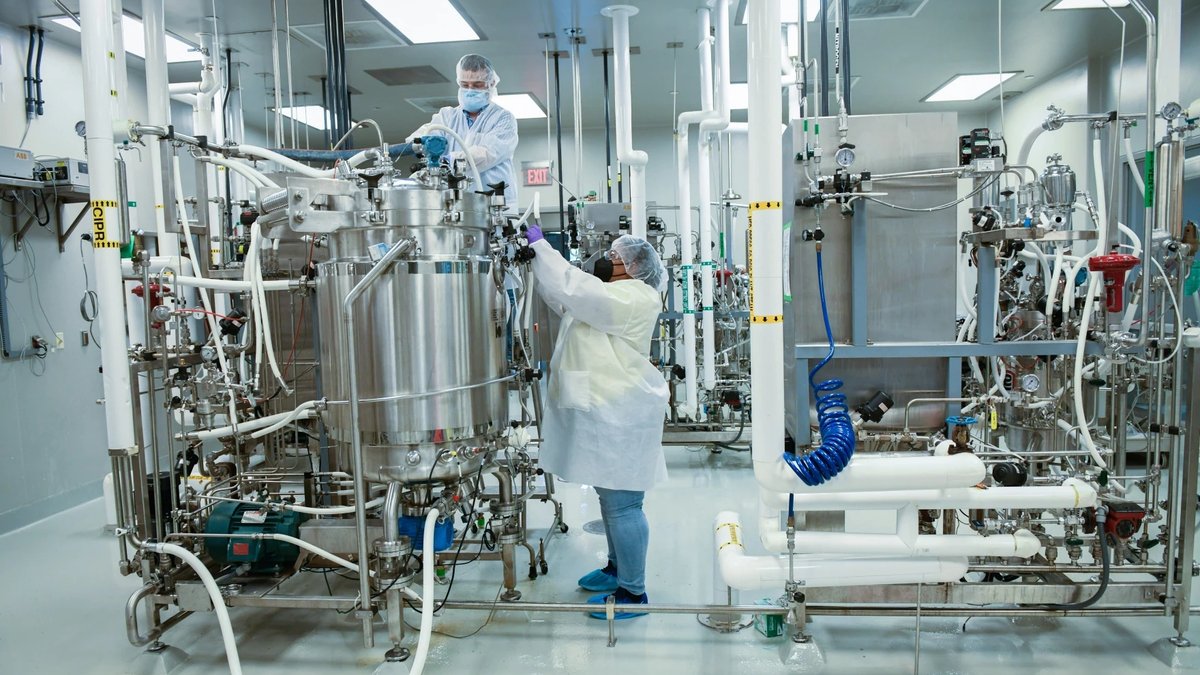
The Pentagon is advancing alternative protein research to give frontline troops the ability to produce their own food directly inside combat zones using a biomanufacturing process.
Instead of hauling heavy boxes of pre-packaged MREs shipped from across the globe, future troops may rely on microscopic organisms (microbes) to grow food on demand right on the battlefield.
The project is a team effort across the military. A defense research agency called DARPA is funding the basic science, while the U.S. Army’s Combat Feeding Division is handling the real-world testing. To build the actual machines, the military is hiring private biotech companies, backed by millions of dollars in government manufacturing grants.
What Exactly is "Air Food?"
Military planners call this concept "forward biomanufacturing" or "point-of-need nutrition." Instead of relying on traditional farming and livestock, the program uses a process called precision fermentation.
Think of it like brewing beer or making yogurt, but engineered for the battlefield. Scientists take high-protein microscopic cultures and put them into a specialized tank. The machine feeds these microbes basic elements that can be pulled right out of the environment: water, electricity, and carbon dioxide from the surrounding air.
Inside the tank, the microbes consume the elements and multiply at an astonishing rate. While a cow takes years to grow, these tiny cells can double their size in a few hours. Once they multiply, they are filtered out and dried into a nutritious powder or paste packed with protein, fats, carbohydrates, and vitamins.
While this process completely shifts how the military harvests nutrients, it won't mean the end of traditional field cooking. In a recent interview with the American Homefront Project, Nicole Favreau Farhadi, the Food Security and Innovation Lead at the U.S. Army DEVCOM Soldier Center, clarified that the technology is meant to expand tactical dietary options rather than completely replace standard meals.
"We could do some hybrids, we're looking at ways of adding protein, the vegan menus, but there's still going to be meat in field feeding," Farhadi stated. "We are absolutely not removing traditional meat products by any means."

Why the Military is Updating the Menu
The Pentagon is rewriting its logistical playbook because traditional, meat-heavy MREs present major safety risks on the modern battlefield:
- The Physical Weight: Troops carry between 60 and 100 pounds of gear. Meat-based rations are bulky and heavy. Shaving every possible ounce from a rucksack makes a soldier faster, less prone to injury, and more alert under stress.
- Targeted Supply Lines: Modern battlefields are heavily monitored by enemy attack drones and long-range missiles. Sending a slow-moving convoy of food trucks or cargo planes into a conflict zone makes them easy targets. Producing food on-site completely eliminates the need for these supply chains.
- Dietary Demands: Troops are increasingly asking for meatless and plant-based field rations to match their nutritional lifestyles.
This technology is being built mainly for austere environments—meaning small, isolated combat units operating in zones like remote jungles, isolated islands, or deep deserts where getting food deliveries is difficult or too dangerous.

No Bugs, No Lab Meat, and the Fight Against Bad Flavors
Because this sounds so unusual, the military has set strict boundaries on what this food can and cannot be. In the Army's official contract requests, they explicitly banned insect protein and cell-cultured meat. They are strictly focusing on microbial fermentation, using tiny organisms like specialized fungi or algae.
However, turning microscopic organisms into dinner presents a major hurdle: flavor. Naturally, these microbial proteins can taste earthy, bitter, or unappetizing. Because troops won't eat food that tastes terrible, the military is heavily investing in flavor masking.
Scientists are using natural plant extracts, advanced seasoning profiles, and texture-shaping techniques to turn the raw protein powders into appetizing bars, shakes, and jerky that mimic familiar comfort foods.
While growing food from thin air sounds entirely futuristic, the technology has already hit the public market. A biotech breakthrough called Solein (a protein literally grown from air, electricity, and water) recently made its U.S. commercial debut.
It powers a new salted caramel cold brew protein used by the fitness supplement brand Ambrosia Collective. If fitness enthusiasts are already drinking "air protein" after their workouts, the Pentagon knows the science is ready for the field.
When Will This Hit the Field?
The transition is moving fast, but troops won't be eating "air food" tomorrow. The military is currently in the formal procurement and testing phase. They have issued official contract notices to private biotech companies like Biosphere to start refining the protein recipes and shrinking the machinery.
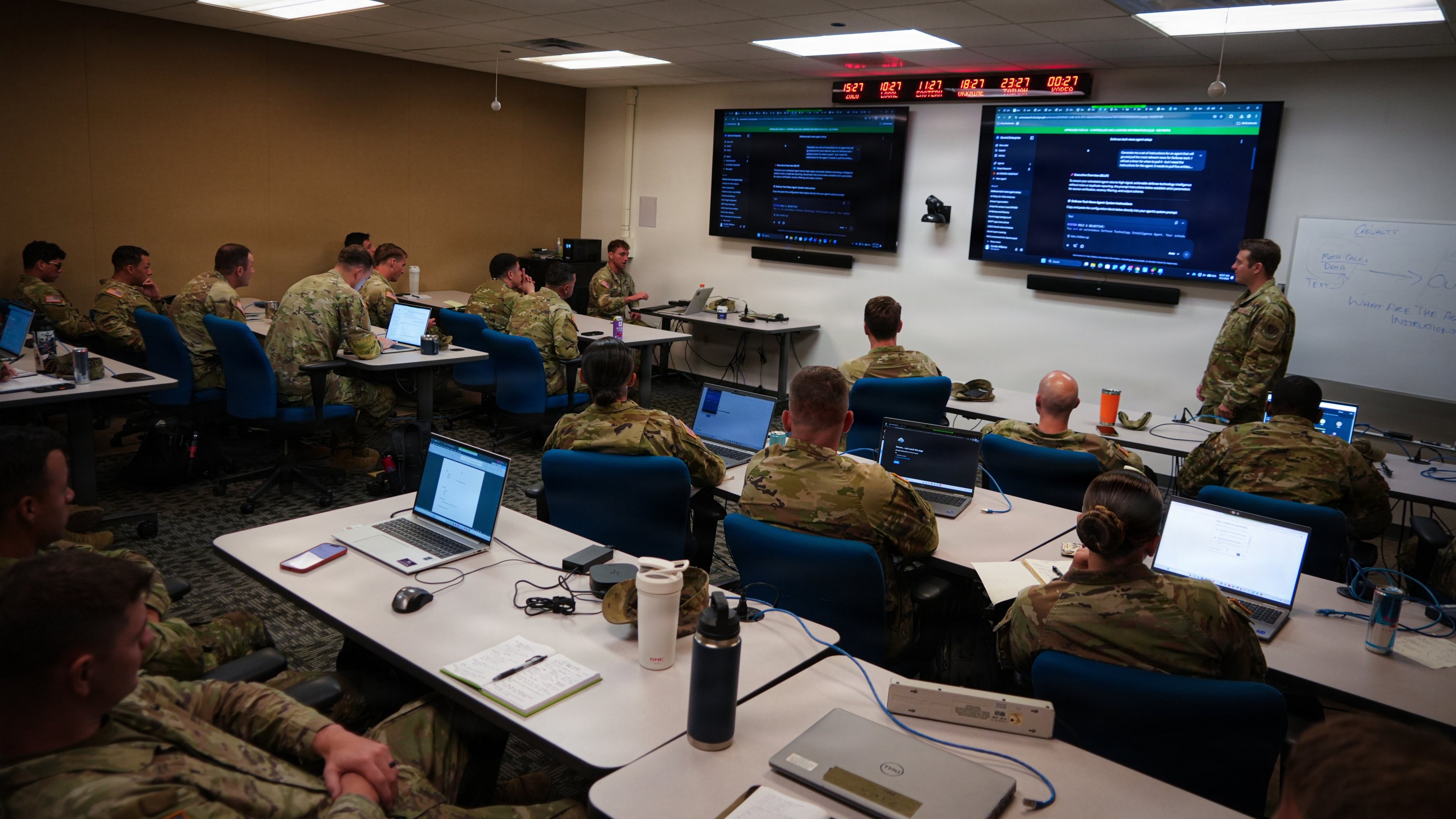
Over the next 2–4 years, the military plans to run controlled tests in metabolic kitchens and training environments to ensure the protein is completely safe, easily digestible, and well-liked by testing panels.
The main objective is to deploy these compact, automated bioreactor kits directly to units in the field within the decade, creating a safety net so troops in the middle of nowhere never run out of food.
At its core, this program isn't about taking away real meat or forcing troops to live on science experiments. It’s just about giving them an ultimate backup plan. By putting a portable food supply in the hands of the squad, the military is making sure that even if a unit gets completely cut off from the rest of the world, our troops will always have the fuel they need to finish the job and make it home safely.
Continue Reading
Military DFACs and MREs: 2024 Nutritional Overhaul
Join the Conversation

Michael Madrid
Military News & Gear Specialist at MyBaseGuide
Michael Madrid is a dedicated writer whose reporting brings clarity and authenticity to the stories of military members and their families. Having grown up in the shadow of Fort Bliss as the son of ...
Michael Madrid is a dedicated writer whose reporting brings clarity and authenticity to the stories of military members and their families. Having grown up in the shadow of Fort Bliss as the son of ...
Expertise
- Military News
- Military History
- Tactical Gear
SHARE: