What Happens to Your Pet After a PCS: Health and Behavior Changes to Watch For

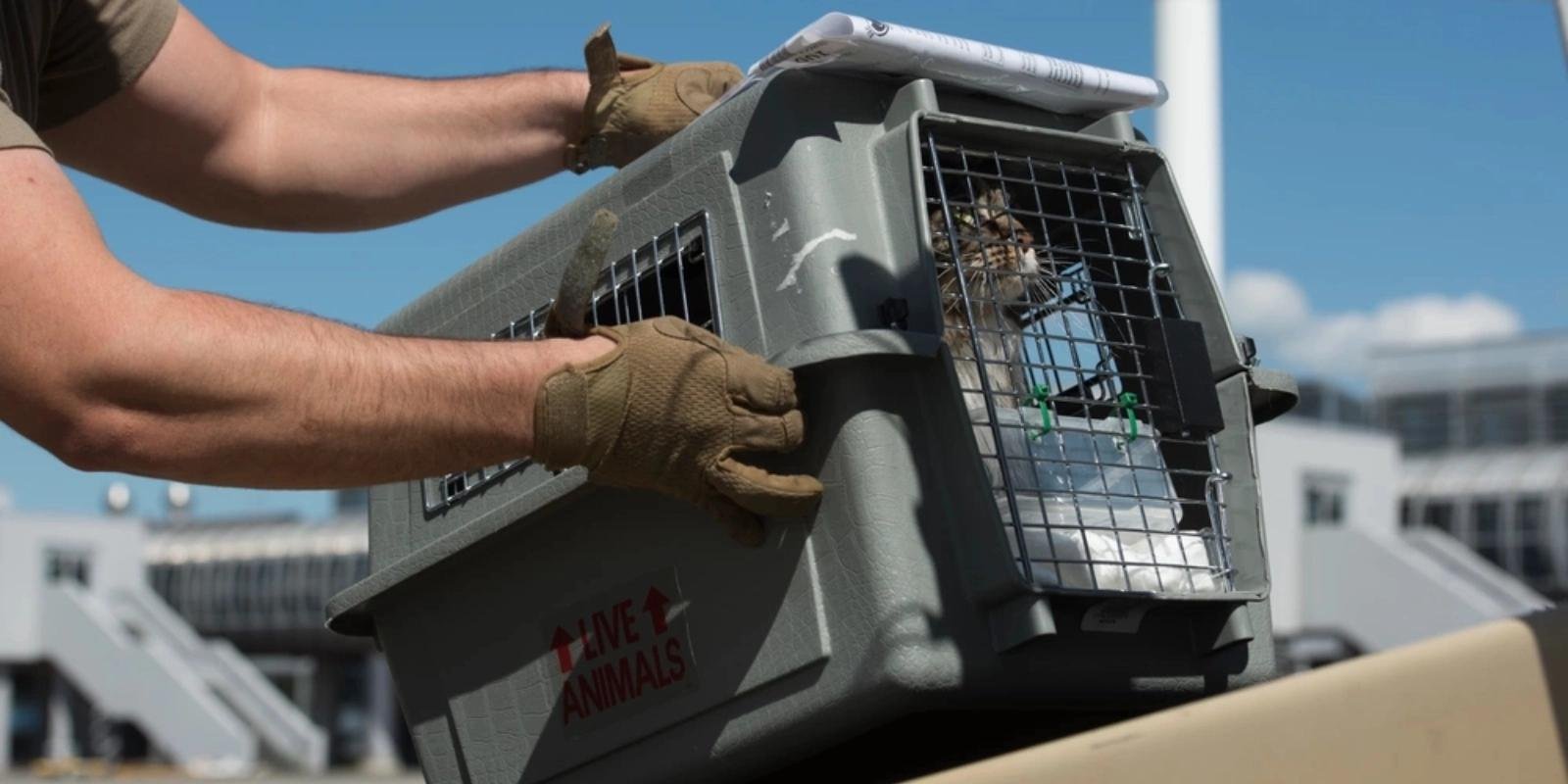
Military families are used to thinking about the logistics of a Permanent Change of Station: household goods weight limits, school enrollment paperwork, and housing waitlists. Pets often get a checklist of their own: vaccination records, a USDA health certificate, and an airline-approved crate. But less attention tends to go to what happens after the moving truck pulls away: how a pet's body and behavior respond to a new climate, a new environment, and new routines.
Veterinarians who treat military families say the weeks and months following a PCS are when a second wave of pet health issues tends to show up. A dog bred for cold-weather stamina may struggle in Gulf Coast humidity. A cat accustomed to indoor life in a temperate climate may develop skin problems in a drier region. And pets moving into areas with heavier flea, tick, or heartworm activity may be at risk for parasites their previous veterinarian never had to screen for.
Climate Adjustment: Heat, Cold, and Humidity
Pets don't regulate temperature the way humans do, and a sudden shift in climate after a PCS can affect them more than owners expect.
Dogs and cats moving from a temperate or cold-weather station to a hot, humid one, Gulf Coast Texas, Florida, or overseas assignments in the Pacific, for example, are at higher risk of heat-related illness in their first weeks, particularly breeds with thick double coats or flat faces that already have a harder time cooling themselves. Panting becomes less effective in high humidity, and pets that were used to long midday walks in a cooler climate may need a completely different exercise schedule after the move.
The reverse move, from a warm-weather station to a cold one, carries its own risks. Pets with short coats or low body fat, or older animals with arthritis, can struggle with cold-weather joint pain, cracked paw pads, and hypothermia if owners keep to the same outdoor routine they had at the previous duty station.
Coat type, age, and breed all factor into how much adjustment time a pet needs, and veterinarians generally recommend a gradual increase in outdoor exposure rather than assuming a pet will acclimate on its own.
Allergies and Skin Issues
A change in geography often means a change in the plants, grasses, molds, and dust a pet is exposed to for the first time. Pets with no prior history of allergies can develop seasonal or environmental allergies after a move simply because they're encountering new allergens: ragweed in one region, certain grasses in another, or mold spores in a humid climate they didn't experience before.
Symptoms tend to show up as skin-based rather than respiratory: excessive scratching, paw licking, ear infections, hot spots, or hair loss. Dry climates can also aggravate existing skin conditions or trigger new ones, since low humidity strips natural oils from a pet's skin and coat.
That's what happened to one military Veteran after a PCS to Colorado.
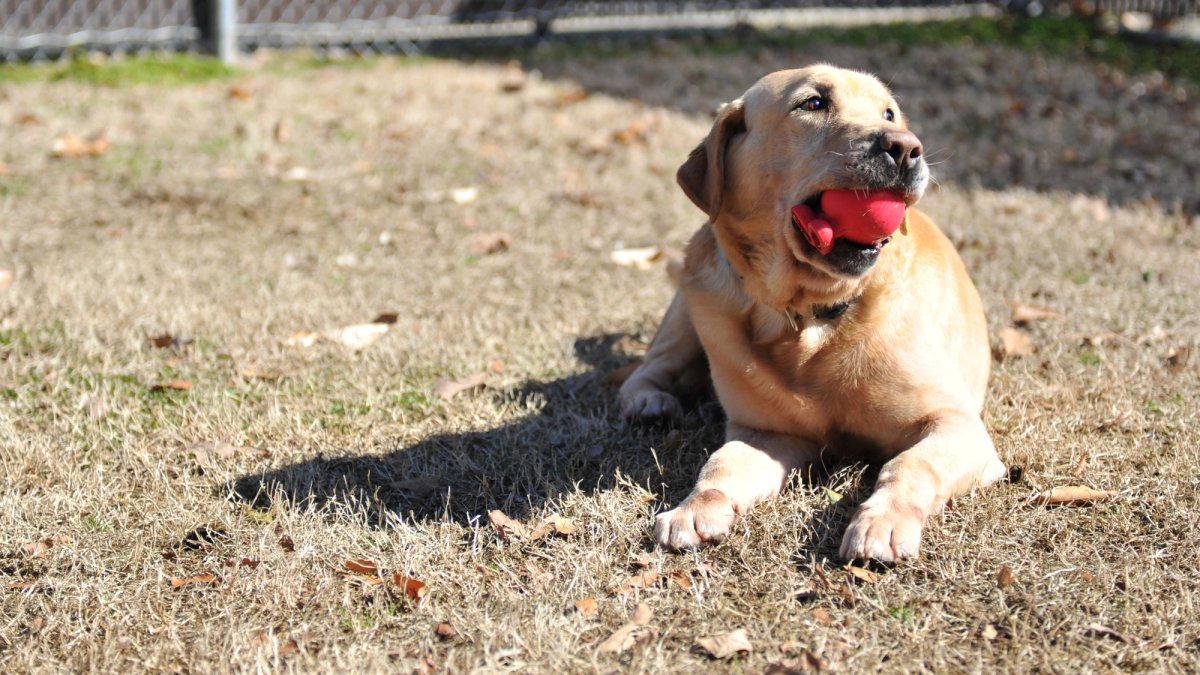
"My lab developed terrible allergies when I moved to Colorado," Suzanne McCurdy said. "She began itching all the time and scratching her face to the point that she scratched hair off around her eyes."
Because these symptoms can look similar to stress-related behaviors, veterinarians recommend a physical exam rather than assuming a pet is just "adjusting."

Parasites and Regional Disease Risk
Perhaps the most overlooked post-PCS health risk is exposure to parasites and diseases that simply don't exist at a pet's previous station.
Heartworm disease is the clearest example. It's transmitted by mosquitoes and is present in some form in all 50 states, but incidence varies dramatically by region. The American Heartworm Society's most recent nationwide survey found Texas has claimed the top spot for the highest canine heartworm incidence in the country, with cases concentrated in the eastern part of the state. States with historically low heartworm rates, including Washington, Oregon, Kansas, North Dakota, Massachusetts, and Connecticut, have also seen unexpected increases and new hot spots emerge.
Pet relocation itself is a significant driver of that spread, according to Dr. Marisa Ames, President of the American Heartworm Society.
"The relocation of heartworm-positive dogs from areas where heartworm is common (endemic) is considered a significant factor in the spread of heartworm to areas of the country where infection was once considered rare," Ames said.
"If mosquitoes are present in the new location and the infected dog is bitten, within several weeks the mosquito can bite other pets (both dogs and cats) and infect them."
Wildlife can compound the problem, she added:
"Mosquitoes carrying heartworms can also feed on and infect wild canids, such as coyotes and foxes, creating new reservoirs of infection."
Relocation isn't the only factor, Ames said; the northward expansion of mosquito species that carry heartworm, and mosquito-friendly environmental changes, are also reshaping the map.
"While heartworms were once uncommon in the desert Southwest, irrigation and watering practices have made it possible for mosquitoes to thrive in states such as Arizona and New Mexico. Meanwhile, the presence of coyotes in both urban and outlying areas ensures that mosquitoes can feed on infected animals and spread heartworms to pets."
That shifting risk means a pet's prevention plan often needs to change the moment a family arrives at a new station, not at the next annual exam. Ames offered a concrete example: a PCS-style move from a base in Alaska, where heartworm is relatively uncommon, to a base in Georgia, where it's endemic.
"Ensuring that their pets are immediately protected from heartworms should be a priority," she said. "Ideally, families should start their pet(s) on heartworm prevention at least a month before the move and be sure to give their pets preventives on schedule after the move."
Oral and topical preventives for dogs are typically given monthly, Ames said, while cat preventives are given monthly or every other month depending on the product; a long-acting injectable option is also available for dogs, protecting them for either six months or a year. For a pet that hasn't previously been on prevention, Ames said a veterinarian will want to test for heartworm before starting it, then test again six to 12 months later and annually after that if the pet stays on year-round prevention; which the American Heartworm Society recommends, in part because many preventive products also protect against other parasites, including roundworms, hookworms, fleas, ticks, and mites.
Fleas, ticks, and tick-borne diseases like Lyme disease and Rocky Mountain spotted fever follow similar regional patterns, with risk varying by climate, vegetation, and local wildlife. A pet's previous flea-and-tick prevention plan may not be adequate or may be treating the wrong parasites entirely at a new station.
Overseas assignments carry the highest degree of difficulty, according to Alisa Johnson, President and co-founder of Dogs on Deployment and an active duty Marine.
"Overseas moves are the most complex by a wide margin, and island destinations like Hawaii are the hardest because of strict import timelines, rabies titer requirements, and quarantine risk," Johnson said. "When any part of that schedule slips, costs escalate quickly through added boarding and rebooking."
Domestic, cross-country moves are comparatively more manageable, she said, but come with their own version of the same problem.
"A pet moving from one climate and parasite environment to another. Heartworm prevalence, tick exposure, and seasonal allergens vary a great deal by region, so a preventive routine that worked at the last station may not be enough at the next one. That is a conversation we encourage every family to have with their new vet early," said Johnson.
Mickey Addison, MSCE, PMP, and a retired member of the Air Force, experienced that timeline firsthand during a PCS to Hawaii.
"We definitely made sure we did all the necessary veterinary clearances and vaccines to avoid quarantine on the other end," Addison said of the most stressful part of the process.
"Everything for our PCS to Hawaii had to be done in a specific order, and some things could only be done near the time for shipping our pets."
Figuring out that order took some legwork outside official channels, Addison said.
"My wife made a lot of calls to the Hawaii Department of Health, to spouses she knew in the local area, and to various pet shipping companies and airlines to check and double-check all the information. The on-base Army vet was also helpful, and we got some good info from TMO [the Joint Personal Property Shipping Office] as well."
Even with everything filed correctly, Addison said there was no way to be fully certain it had worked until the very end.
"It all had to be done on a strict schedule, and we were not sure it 'worked' until we picked him up at the cargo terminal."

Behavioral and Stress-Related Changes
Physical symptoms aren't the only thing to watch for. Frequent moves are associated with more stress-related conditions in pets, with anxiety, digestive issues, and behavioral problems more common in animals that experience repeated relocation. Common signs include changes in appetite, excessive vocalization, house-training regressions, hiding, or destructive behavior in the first few weeks at a new home.
Veterinarians and pet behaviorists generally recommend monitoring pets for signs of anxiety or discomfort after a move and consulting a professional if those signs don't resolve within a reasonable adjustment period. Keeping familiar bedding, toys, and feeding schedules consistent, and reestablishing routine as quickly as possible, are commonly cited strategies for easing the transition. However, they don't eliminate the need for a veterinary check-in if symptoms persist.
That gradual approach is what worked for Addison's cat after the move to Hawaii.
"Our cat was pretty shaken for the first couple of days, but we made sure to have familiar smells and items there to 'catch' him when he arrived," he said.
"We also started his transition to his new home by keeping him in one room initially, then permitting him to explore his new home when he was ready."
Looking back on the move overall, Addison said the outcome came down to preparation rather than luck.
"I think we did it as well as we could have. It was all about the timing and the paperwork being in order."
The Financial and Logistical Squeeze
Health issues aside, the practical burden of moving a pet has grown heavier in recent years, explained Johnson.
"The families we serve tell us the hardest part of a PCS is rarely the move itself. It is the pile-up of costs and paperwork that lands all at once, and often on short notice," she said.
"The most common issues we hear about are the cost of transport and pet-safe crates, the scramble to complete health certificates and required paperwork inside a narrow window, housing that restricts breed or size or the number of pets, and the difficulty of decoding airline, import, and base lodging pet policies."
Johnson said the biggest recent shift has been cost.
"Transport, boarding, and veterinary prices have climbed, and we have seen more families reach the point where a routine relocation becomes a real financial strain. We are also fielding more questions about overseas moves and the medical clearances that come with them."
That financial pressure, Johnson said, has a direct effect on whether families keep up with veterinary care once they arrive, which is where delayed treatment can quietly compound into a bigger problem.
McCurdy said the paperwork burden was compounded by having to rebuild a pet's care history from scratch at every stop.
"Having to start over each time, getting all their medications. Find someone I trusted and could trust," McCurdy said of the most stressful part of the certification process.
Beyond the paperwork itself, she said finding the right vet was just as high-stakes.
"Finding a vet that I connected with and felt safe working with," she said. "My pets were not just another number; they were family, and if a vet couldn't treat them right, they weren't going to get my business."

Why a New Duty Station Vet Visit Matters
Given how many variables change at once, veterinarians and military relocation resources are consistent on one point: don't wait for a problem to find a vet at a new duty station.
Many veterinary practices require a "new patient" appointment before they'll see an animal on an emergency basis, which makes establishing care early more important than it might seem while a pet is still healthy. Military OneSource advises families to talk to a veterinarian as soon as they know they're moving, asking for guidance on travel, immunizations, and any host-location-specific requirements. Looking back on her own moves, McCurdy said that's exactly what she'd change.
"I'd have a vet set up long before I arrived," she said.
Delaying that visit is common, Johnson said, and it's one of the quieter problems Dogs on Deployment sees.
"After a move, families are often absorbing out-of-pocket costs, waiting on appointment backlogs, and trying to establish care with a brand new vet who does not know their pet's history," she said.
"Care that is easy to postpone gets postponed: vaccinations lapse, heartworm and flea and tick prevention slips, and follow-up for chronic conditions gets pushed back."
The consequences tend to surface later, and cost more, according to Johnson.
"A lapsed rabies or vaccination record can stall boarding or travel at exactly the wrong moment, which then stacks boarding extensions or rebooking fees on top of the original bill. Establishing care with a new vet early at each duty station is what keeps a small gap from turning into an expensive one," explained Johnson.
An early visit also gives a new vet the chance to catch region-specific risks before they become emergencies; starting heartworm prevention appropriate to the new area, screening for local parasites, and reviewing whether a pet's existing diet, medications, or exercise routine need to change for the climate.
It also matters for pet insurance: because a new vet's intake exam could document a condition that an insurer later classifies as pre-existing, families are often advised to enroll in coverage before that first post-PCS exam rather than after.
For families who used a base veterinary clinic at their previous station, transferring records ahead of the appointment can help a new vet spot patterns a single visit might miss, from recurring ear infections to a slow weight trend.
Continue Reading
Smooth Moves: Tips for Navigating a Military PCS with Pets in Tow

Everything You Need to Know About Military PCS Pet Reimbursement

Finding the Right Pet Transport Is a Critical Part of Your PCS
Join the Conversation

Tracy Fuga
Military Spouse & Military Lifestyle Writer at MyBaseGuide
Tracy Fuga is a San Diego-based writer, editor, and marketing professional with nearly two decades of experience in content creation and communications. A former editor at MARCOA Media — the origina...
Tracy Fuga is a San Diego-based writer, editor, and marketing professional with nearly two decades of experience in content creation and communications. A former editor at MARCOA Media — the origina...
Expertise
- military spouse lifestyle
- small buisness
- entrepreneurship
Calculate Your BAH
Planning your housing budget? Use our 2026 BAH Calculator to see your Basic Allowance for Housing rates for your base.
Calculate BAH Rates →SHARE: