Sailors Could Bunk in RVs and Houseboats as Navy's Barracks Crisis Forces Unconventional Fixes

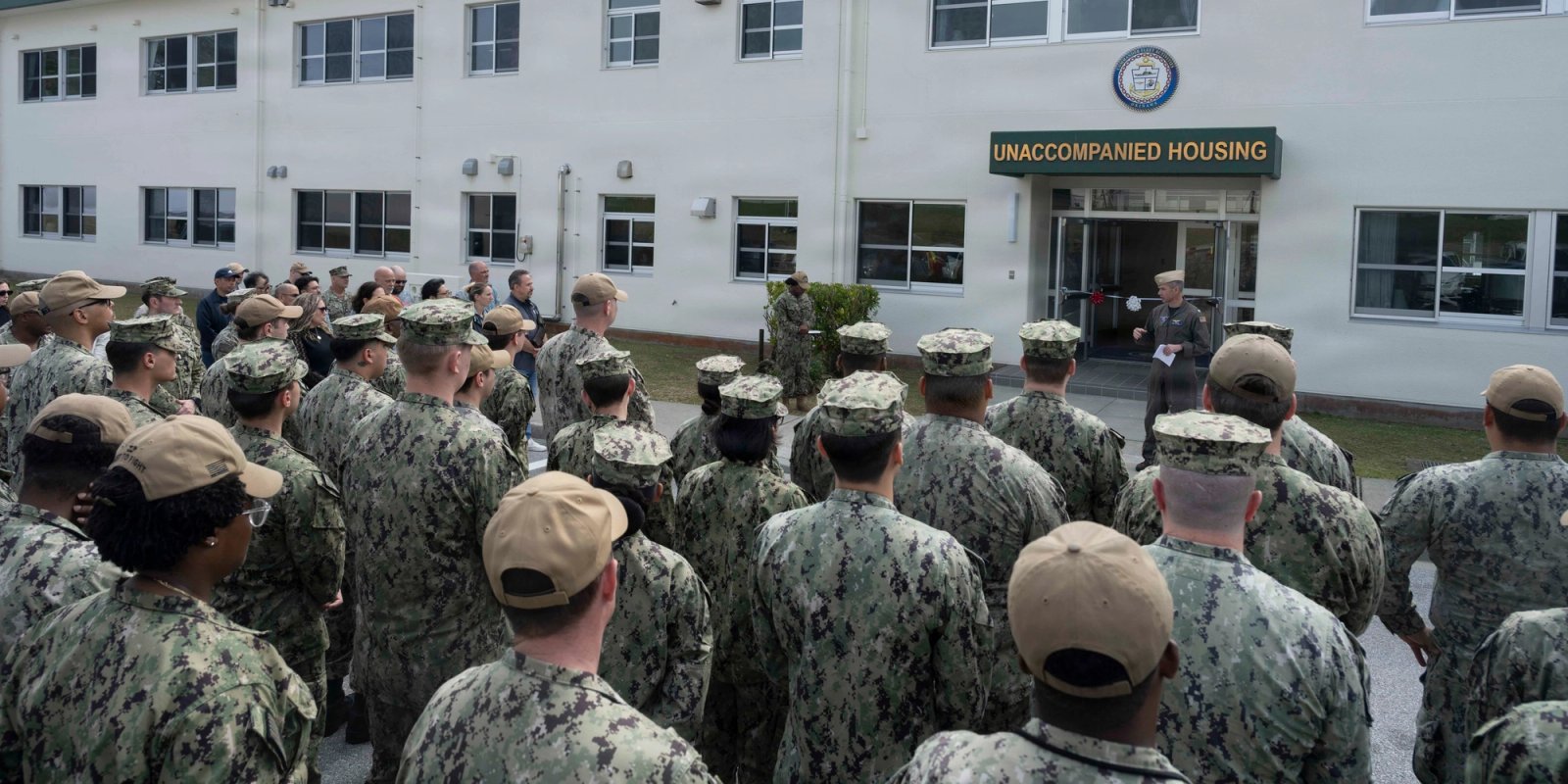
The U.S. Navy is asking private contractors if non-standard housing types like recreational vehicles, houseboats, or extended-stay hotels could be the scalable solution for a housing gap that would leave more than 10,000 Sailors without beds while it renovates and repairs barracks.
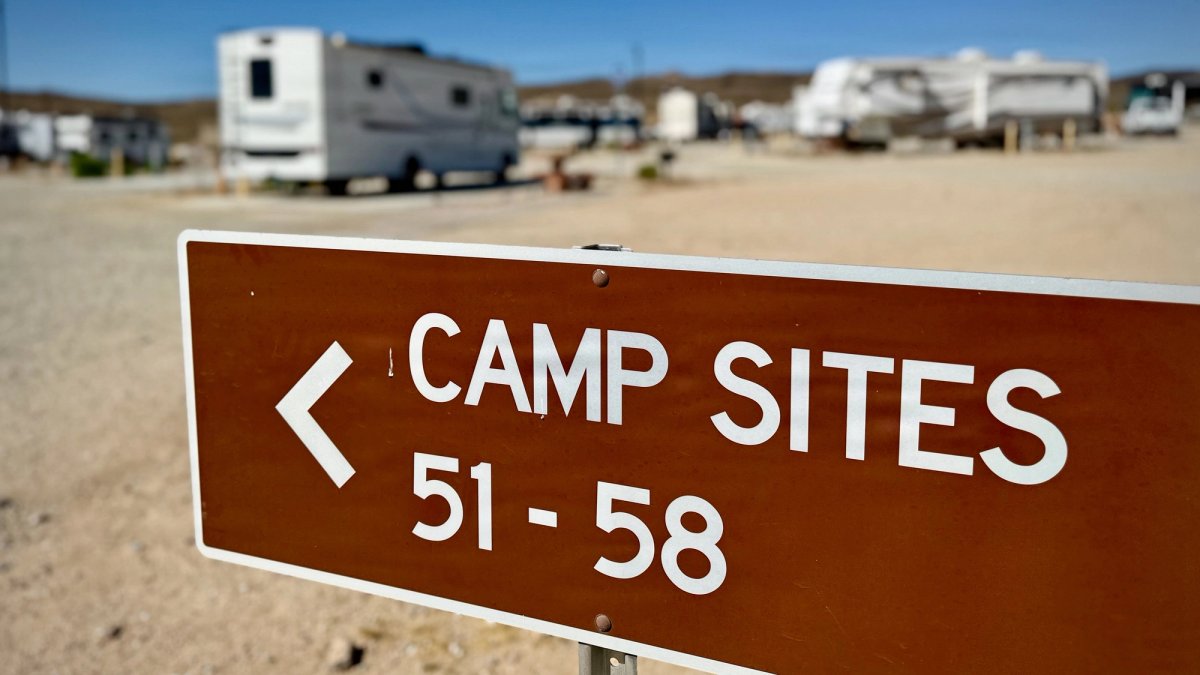
A Request for Information posted in late July by Naval Facilities Engineering Systems Command (NAVFAC) Atlantic asks companies to propose "safe, habitable, code-compliant" temporary housing at 10 installations from around the country. The list of acceptable solutions is fairly broad: prefabricated modular buildings, RVs, trailer parks, leased apartments, extended-stay hotels, converted existing buildings, and houseboats where “locally feasible.”
"Our Sailors are our most critical asset, and providing them with safe, clean, and comfortable living quarters is a fundamental responsibility," said Vice Adm. Scott Gray, commander of Navy Installations Command, in a press release announcing the request.
"As we undertake these necessary and extensive renovations to modernize our permanent barracks, securing high-quality temporary housing ensures we do not compromise on our Sailors' well-being. It allows us to move swiftly on construction while keeping our force supported and mission ready."
The initial inquiry doesn’t mean Sailors will be moving into a trailer or houseboat just yet. The RFI is merely the first step to see what companies can deliver quickly to meet the Navy’s housing needs in the interim. The range of options being suggested, paired with thousands of beds needed, has turned a fairly routine procurement notice into a more in-depth look into the state of junior enlisted housing.

How Many Sailors Does This Impact?
According to the RFI, the service's current unaccompanied-housing shortfall runs between roughly 8,150 beds nationwide, with total capacity needs climbing to as much as 11,900.
The single largest gap is at Naval Air Technical Training Center Pensacola in Florida, which the Navy expects will need anywhere from 2,000 to 2,500 beds from fiscal 2026 through 2028.
RFI’s List of Acceptable Housing Types
Asked directly which installations are likely to actually receive RV-based or houseboat housing versus more conventional options, Destiny Silbert, a spokesperson for Commander, Navy Installations Command Headquarters, said in an email that the service has not made that determination.
The Navy has identified the installations with anticipated shortfalls, Silbert said, but "we are currently in the initial information-gathering phase," with the RFI designed to solicit a range of solutions before officials evaluate proposals "against the unique needs and local constraints of each identified installation."
The service has not said which Sailors would go into which type of housing, whether Sailors would have any choice in the matter, how far from their commands they might be housed, or whether troops placed in commercial housing would collect Basic Allowance for Housing or other payments.

The Condition of Life in the Barracks
Silbert said the temporary-housing RFI is "separate and unrelated" to the Pentagon's Barracks Task Force initiative, which Defense Secretary Pete Hegseth's office established in 2025 to address unaccompanied-housing conditions across the services.
Silbert told our publication that the RFI is "directly aligned with the Navy's 'No Sailor Lives Afloat' initiative," the effort to stop requiring Sailors to live aboard ships while those vessels are in port.
By seeking land-based swing space, Silbert said, the Navy is "proactively ensuring that Sailors are not forced to live aboard their ships while their permanent barracks undergo critical renovations and modernizations."
Separately, the barracks-conditions problem is well documented. A Government Accountability Office investigation found sewage problems, broken fire-suppression systems, mold, and pest infestations at barracks the office visited. In 2025, the Navy ordered inspections of more than 100,000 barracks units after then-Navy Secretary John Phelan was “very upset” and "appalled" by conditions he encountered during a visit to barracks in Guam.
Housing advocates have tracked these problems for years. The Military Officers Association of America has collected accounts from military families reporting toxic mold, lead paint, water damage, and vermin in military housing and barracks, and has pushed for restoring what it calls a full BAH benefit, arguing junior enlisted troops are least equipped to absorb housing shortfalls given their pay grade.
A GAO report in 2024 examined by the MOAA found that housing shortages disproportionately affect junior enlisted members, whose limited financial resources leave them more exposed to high rental costs and substandard living conditions when the service can't provide adequate on-base housing.
This Is Not the Navy's First Dive Into Alternative Housing
In the late 19th and early 20th centuries, the Navy regularly used decommissioned or aging warships as stationary "receiving ships" to house Sailors awaiting assignment when shore facilities were insufficient.
In more recent years, the Navy implemented berthing barges to temporarily house up to 600 Sailors while their warships were uninhabitable as a result of fires or a need for repairs. The barges had everything Sailors needed to continue their everyday life: offices, medical facilities, and dining.
The dated berthing barges were met with their own challenges, though, as Sailors complained online about the quality of life, with the barges being described as noisy and dirty. The Navy’s RFI should help with newer and cleaner housing alternatives.
Silbert reiterated that virtually every operational detail of the plan is still pending industry responses and, eventually, a contract award.
She said decisions about "how personnel will be assigned to temporary accommodations will depend on the proposals selected and the contract details finalized for each location," and that the Navy's priority "remains securing safe, high-quality housing that supports the well-being of our Sailors."
The submission portal for the RFI officially closed on August 24, 2026, although the opportunity remains listed on the SAM.gov RFIUH-2026 Page for tracking future administrative modifications. Silbert explained that the Navy has not indicated any vendors or pilot solutions, and that the immediate focus is on analyzing industry feedback.
Join the Conversation

Tracy Fuga
Military Spouse & Military Lifestyle Writer at MyBaseGuide
Tracy Fuga is a San Diego-based writer, editor, and marketing professional with nearly two decades of experience in content creation and communications. A former editor at MARCOA Media — the origina...
Tracy Fuga is a San Diego-based writer, editor, and marketing professional with nearly two decades of experience in content creation and communications. A former editor at MARCOA Media — the origina...
Expertise
- military spouse lifestyle
- small buisness
- entrepreneurship
Calculate Your BAH
Planning your housing budget? Use our 2026 BAH Calculator to see your Basic Allowance for Housing rates for your base.
Calculate BAH Rates →SHARE: