The Largest Marine Corps Bases in the U.S. by Size and Population

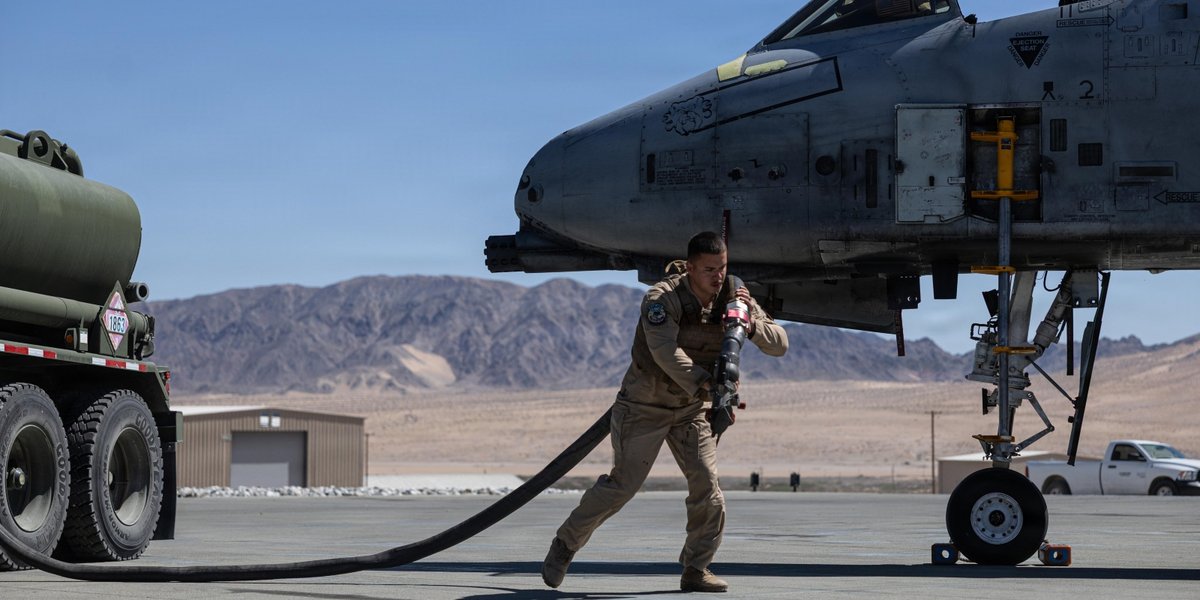
Like all branches of the United States Armed Forces, the Marine Corps’ footprint is a global one. From its bases across the country to its posts on the opposite side of the globe to the contingents of Marines constantly traversing the seas aboard vessels of the US Navy, the men and women of the Corps truly serve in “every clime and place.”
And, just like members and Veterans of every military branch, Marines will often argue about which base is “best.” Which has the nicest housing, the best grub, the most fun local attractions, offers the best training opportunities, and so on.
While the debates over which base is greatest in subjective terms will undoubtedly never end, there is no question about the heavyweights when it comes to geography and population: Twentynine Palms, Camp Lejeune, and Camp Pendleton.
The Top 5 Largest Marine Corps Bases by Land Area
Before diving into the details of these massive installations, it helps to see how the Marine Corps' footprint stacks up across the United States. If you are measuring strictly by acreage, the top five largest USMC installations are:
- Marine Corps Air Ground Combat Center (MCAGCC) Twentynine Palms, California: ~596,000 acres
- Marine Corps Base (MCB) Camp Lejeune, North Carolina: ~156,000 acres
- Marine Corps Base (MCB) Camp Pendleton, California: ~125,000 acres
- Marine Corps Base (MCB) Quantico, Virginia: ~55,000 acres
- Marine Corps Air Station (MCAS) Cherry Point, North Carolina: ~13,164 acres
The Largest Base by Square Mileage: Twentynine Palms
A brief anecdote: eons ago, a young Marine second lieutenant sat with several dozen of his cohorts in an auditorium on MCB Quantico listening to a captain reading names off a list. Nearing the end of their time at The Basic School, the second phase of training that all Marine officers must go through, the men and women in that room, having recently learned the MOS’s assigned to them, were then learning the units they’d be assigned to. And this particular lieutenant, an artillery officer-to-be, waited with bated breath until the captain finally called his name and informed him of his future unit: 3rd Battalion, 11th Marines.
“Hell yeah, West Coast,” the young man muttered triumphantly, knowing the 11th Marines to be the artillery regiment of the 1st Marine Division and excited at the prospect of what he assumed was an assignment to Camp Pendleton. But then the lieutenant sitting next to him, a prior enlisted gunnery sergeant (E-7), started to chuckle. And that’s how silly, simple 2nd Lt. Paul Mooney learned about Twentynine Palms.
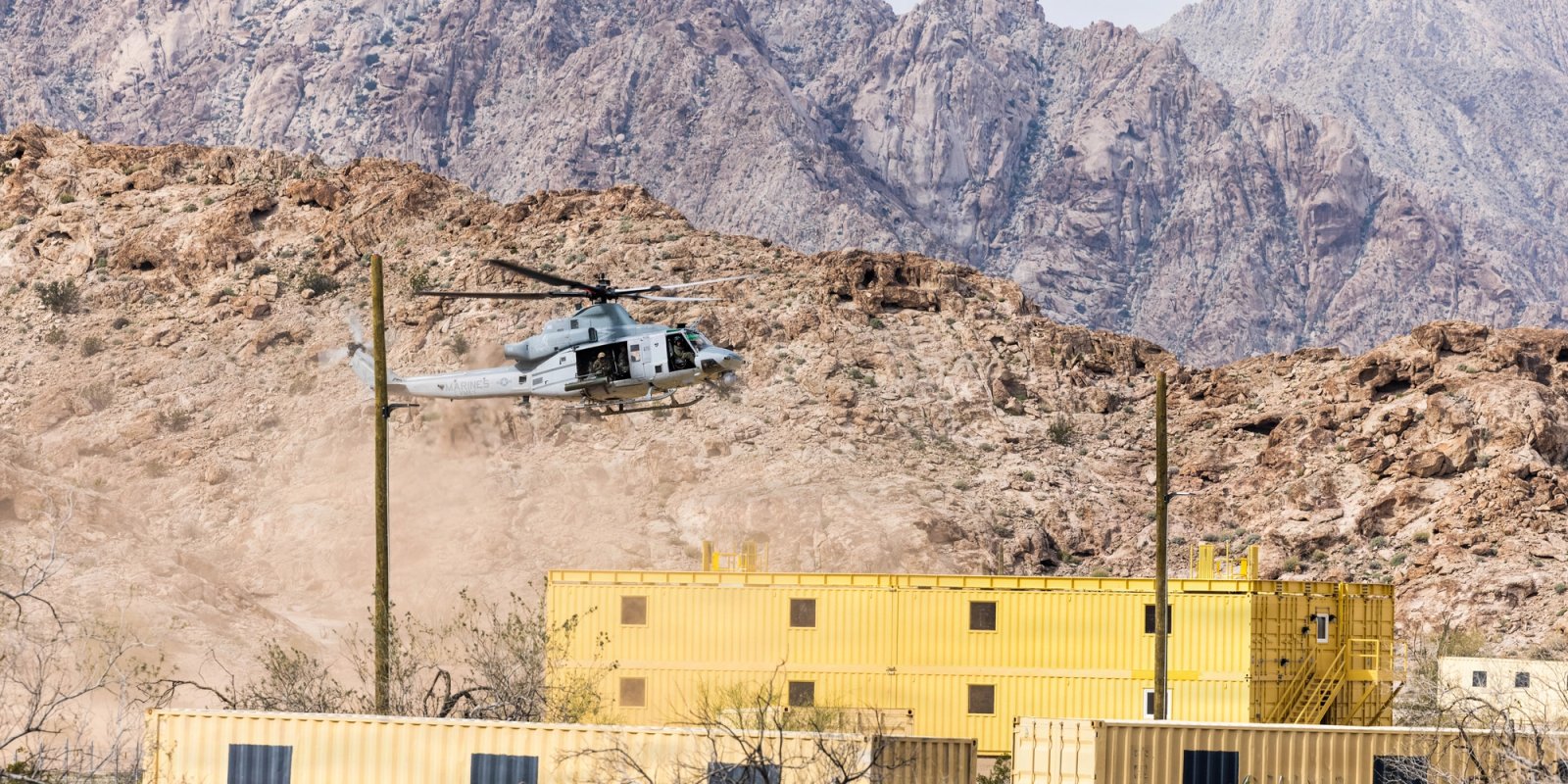
Over 1,100 square miles in size, the MCAGCC (pronounced “mick-ag-see”) is not only the largest US Marine Corps installation in terms of size, but also one of the largest military bases in the world.
While minimal in terms of personnel stationed there, this wide swath of all-but-inhospitable terrain in the infamous Mojave Desert plays an important role in preparing American troops for the unique rigors of desert warfare.
The History of MCAGCC Twentynine Palms
Despite this writer’s wholehearted and unshakeable belief that the Marine Corps bought the land that became Twentynine Palms from Satan in exchange for the rights to the military’s most dashing dress uniforms, the official history says otherwise.
Long the home to members of the Chemehuevi tribe of Native Americans, US Army Colonel Henry Washington (nephew of President George Washington) led the first federal survey of the region in 1855. In the following years, the local oasis (which was surrounded by twenty-nine palm trees, according to local folklore) was a regular stopping point for would-be gold miners seeking their fortune in California.
Which Military Branch Is Right for You?
Answer 10 questions to discover which branch of the U.S. Armed Forces best matches your personality, interests, and goals.
10 questions • Takes about 2 minutes
These acres of high desert took on a new purpose in the early decades of the 20th century when those unfortunate Veterans of WWI who suffered horrific poison gas attacks sought dry climates that might alleviate the long-term symptoms of their injuries. Twentynine Palms became such a location. But its formal association with US military operations did not begin until WWII.
The first military base at Twentynine Palms dates back to 1940, when the US Army established a training facility for glider crews there. With the end of the Second World War and the end of military gliders, the Army turned it over to the Navy for use as a bombing range in the final year of that conflict. Seven years later, the Navy handed control of Twentynine Palms over to the US Marines.
MCAGCC Twentynine Palms Today
In the seventy-plus years since it became a USMC installation, Twentynine Palms has become a duad of words that inspires both terror and pride. As the Corps’ preeminent desert base, undergoing a training evolution there has been required of every Marine unit deploying to the Middle East and South-Central Asia.
The austere surroundings and year-round harsh weather of the high desert make it ideal for training Marines and Sailors to survive in similarly inhospitable regions across the globe.
The Second Largest Marine Corps Base by Land Area: Camp Lejeune
Boasting approximately 156,000 acres—including 14 miles of pristine beachfront on the Atlantic Ocean—Marine Corps Base Camp Lejeune is the second largest USMC installation in the world and the premier training ground for amphibious operations on the East Coast.
The History of Camp Lejeune
In 1941, as the clouds of World War II gathered, the military realized it urgently needed a large-scale amphibious training facility on the East Coast. The Navy purchased a massive tract of land in Onslow County, North Carolina, and by the end of 1942, the base was named in honor of Lt. Gen. John A. Lejeune, the 13th Commandant of the Marine Corps.
Camp Lejeune also holds a deeply significant place in military history. In 1941, following President Franklin D. Roosevelt's Executive Order 8802, the Montford Point area of Camp Lejeune became the training ground for the very first African American Marines, paving the way for a newly integrated military.
Camp Lejeune Today
Often billed as the "Home of Expeditionary Forces in Readiness," Camp Lejeune is the backbone of the Marine Corps' East Coast operations.
Today, it serves as the home base for the II Marine Expeditionary Force (II MEF).
With its 50 tactical landing zones and state-of-the-art urban terrain facilities, it continues to prepare warfighters for combat and humanitarian missions worldwide.
The Largest Marine Corps Base by Population: Camp Pendleton
With a garrison of roughly 42,000 active-duty troops and a daytime population surpassing 100,000 that includes their family members and tens of thousands of Department of Defense and civilian employees, Marine Corps Base (MCB) Camp Pendleton is home to more people than any other USMC installation. And it’s been a vital site for the Corps for over a century.
The History of Camp Pendleton
On March 10th of 1942, as the United States was mere months into its formal involvement in the Second World War, the Department of the Navy announced it had purchased a roughly 130,000-acre piece of property named Rancho Margarita y Las Flores between the cities of San Diego and Los Angeles on the California coast.
Established as a base for the rapidly expanding Marine Corps, the department named it after retired Major General Joseph H. Pendleton, a Navy Cross recipient and Veteran of multiple conflicts who passed away just over a month before the land purchase.
Home to members of the Kumeyaay/Kumiai-Tipai, Ipai, and Luiseño Native Americans, the first Europeans to visit the land that became Camp Pendleton were a Spanish expedition in 1769. Its members named several of the localities they visited in their language, labels that many of the base locations retain to this day (for example, Area 43, where the 11th Marine Regiment is headquartered, still goes by “Las Pulgas” in honor of the swarms of fleas that plagued the Spaniards who camped there). Relatively undeveloped at the time of its purchase by the Navy, the land swiftly became a major center for training Marines on their way to fight in the Pacific.
In October of 1944, it received designation as a permanent military base. And in 1946, then-Marine Corps Commandant General Alexander Vandergrift formally deemed Camp Pendleton as the center for all of the USMC’s west coast operations and home of the 1st Marine Division. In the decades since, the base continued to expand and increase the number of troops, units, and personnel who regularly call it home.
Camp Pendleton Today
MCB Camp Pendleton remains one of the Corps’ most vital installations. As home to I Marine Expeditionary Force (I MEF), the largest Marine Air-Ground Task Force (MAGTF), since 1970, the men and women who serve at Pendleton have played major roles in every American conflict since WWII.
And as the USMC and US Navy are increasingly focused on defending America’s interests and allies in the Pacific Ocean and Asia as the 21st century rolls on, the MCB in Southern California grows ever more vital to our nation’s strategic interests.
Continue Reading
The Largest Coast Guard Bases: Ranked by Land Area & Population
Top 5 Largest U.S. Military Bases Worldwide
The Top 10 Largest Army Bases in the United States, Ranked
Join the Conversation

Paul Mooney
Veteran & Military Affairs Correspondent at MyBaseGuide
Paul D. Mooney is an award-winning writer, filmmaker, and former Marine Corps officer (2008–2012). He brings a unique perspective to military reporting, combining firsthand service experience with exp...
Paul D. Mooney is an award-winning writer, filmmaker, and former Marine Corps officer (2008–2012). He brings a unique perspective to military reporting, combining firsthand service experience with exp...
Credentials
- Former Marine Corps Officer (2008-2012)
- Award-winning writer and filmmaker
- USGS Public Relations team member
Expertise
- Military Affairs
- Military History
- Defense Policy
SHARE: