Preparedness at Home: Why Energy Independence Matters for Military Families
Anyone who has served in the military understands that preparedness is a mindset, one that can make or break the mission.
You plan ahead, think through contingencies, and make sure all essentials are covered long before something goes wrong.
One thing many households don’t think about until it’s too late? Energy usage.
Aging infrastructure, growing energy demand, and more frequent extreme weather events are all placing strain on systems that power homes and communities.
According to data from the U.S. Energy Information Administration, Americans have experienced significantly more power interruptions in recent years than in previous decades.
For families who are used to planning, that reality raises a simple question:
What happens if the power not only goes out, but stays out?
The answer? Energy independence.
Why Energy Independence Is Becoming More Important
In many parts of the country, power outages are no longer rare.
Hurricanes regularly disrupt electricity across the Southeast. Wildfires and grid-safety shutoffs affect communities throughout California. Severe storms, flooding, and heat waves continue to stress power infrastructure across the country.
When the grid goes down, everyday routines are disrupted. Refrigerators stop running. Internet connections disappear. Security systems and medical devices can quickly go down.
Military families are especially aware of how quickly normal conditions can change. Preparedness training encourages service members to think through the “what ifs” long before they occur.
Energy resilience fits into that mindset.
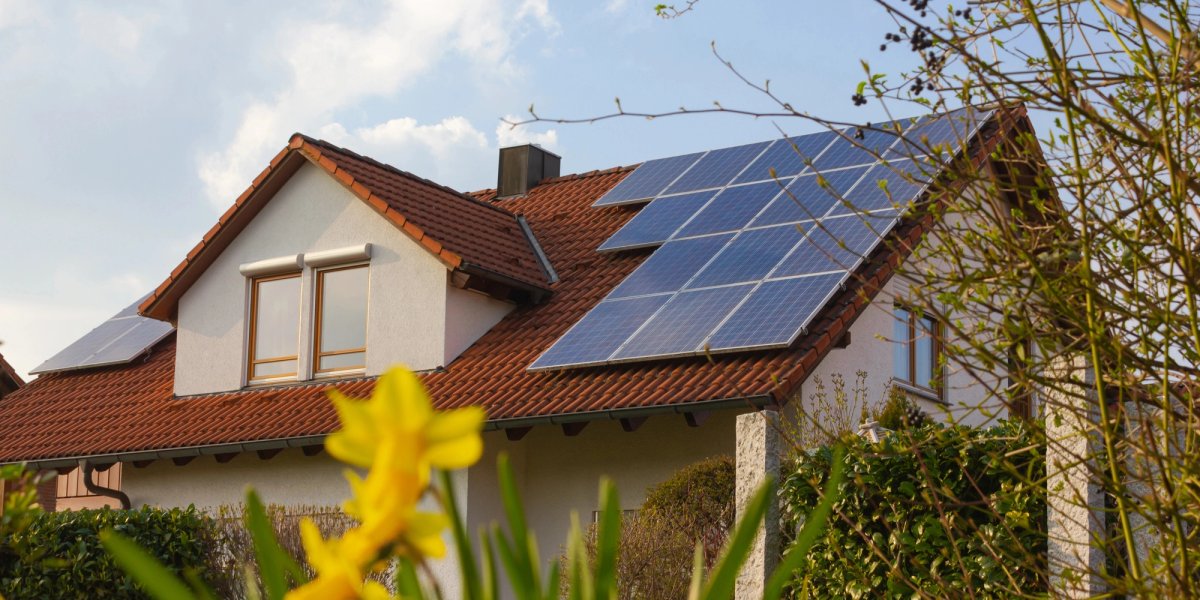
Solar energy systems paired with battery storage allow homeowners to generate and store their own electricity. During a grid outage, this power can keep essential appliances running, helping families maintain stability until their power is restored.
Energy independence is not about disconnecting from the grid completely; it’s about having a plan when the grid can’t deliver.
PCS Readiness Assessment
Find out how prepared you are for your upcoming PCS move. Answer these questions to identify what you still need to do before moving day.
18 questions • Takes about 2 minutes
How Solar Power Helps Military Families Stay Prepared
Preparedness in the military comes down to one main idea: securing critical resources and reducing unnecessary dependence.
Think of the energy your home is using in the same way.
Most homes rely entirely on a centralized power grid comprising power plants, transmission lines, substations, and distribution networks. It’s a massive system that works well most of the time, but can be vulnerable to storms, accidents, and infrastructure failures.
Solar power changes that relationship.
By generating electricity at home, households gain greater control over their energy supply. Paired with battery storage, solar panels allow your home to store excess energy generated during the day for nighttime use – or during outages.
That means essential systems – lighting, refrigeration, communications, and other basic household needs – can continue functioning even when the surrounding grid is offline.
That added resilience provides a sense of preparedness.

A Financial Shift for Military Homeowners: Renting Power vs. Owning Power via Energy Independence
Energy independence isn’t only about resilience during emergencies; it also represents a shift in long-term financial goals.
Most homeowners are “renting” their electricity. Every month, they pay their local utility company for power generated elsewhere. Payments that never build equity.
Unlike many other household expenses, electricity costs rarely stay the same year after year.
Utility rates tend to rise over time as infrastructure ages, demand grows, and energy markets fluctuate. For homeowners who expect to stay in their property for years, those increases can become a significant long-term expense.
Solar power systems offer a different model.
Instead of paying indefinitely for electricity produced elsewhere, homeowners install a system that generates their own power. While the details vary, the basic idea is this: part of your household’s energy supply is produced right at home.
This changes the relationship between homeowners and the utility providers.
Instead of relying entirely on external power generation, your household becomes an active participant in generating its own energy.
How Energy Independence Aligns With a Military Mindset
Military culture emphasizes self-reliance, discipline, and long-term planning.
Those same values often carry over into how service members approach homeownership and financial decisions after their time in uniform.
Energy independence reflects many of those principles, while also providing several other benefits.
Loading calculator...
Owning the ability to generate power reduces dependence on external systems. It creates an additional layer of resilience and allows families to better manage one of their most essential household resources.
In many ways, it mirrors the thinking used throughout military training: anticipate potential disruptions and build systems that can continue to function when conditions change.
That approach doesn’t eliminate risk, but it does help families better prepare.
Exploring Solar Energy Options as a Military Homeowner
For military families interested in energy independence, there are now a variety of programs and resources designed specifically for service members and Veterans.
These programs provide information on how solar power systems work, what the installation process involves, and how homeowners can evaluate whether solar energy makes sense for their situation.
Because military households sometimes face unique circumstances — relocations or deployments — having access to clear, straightforward information can be especially helpful when making long-term home decisions.
Resources like the Current Home military solar program offer an overview of solar options and considerations for military homeowners who want to learn more.

Preparedness Doesn’t End When Service Does
For those who have served, being prepared rarely just stops being top of mind
It simply shifts focus.
Instead of mission readiness, the priority becomes family stability. Instead of securing operational resources, the goal is to protect the systems that keep your household running.
Energy independence fits naturally into that transition.
Operationally, solar power systems paired with battery storage can provide stability during outages and disruptions. Financially, they offer a way to stabilize long-term energy costs, increase ROI, and reduce dependence on rising utility rates.
Preparedness doesn’t end when the uniform has been retired; sometimes it just looks a little different – especially at home.
This article is a result of a paid collaboration with Current Home.
Continue Reading
What Military Families Should Do Now to Prepare for War & Deployment Surges

Preparing for Military Retirement: Key Financial Steps
Join the Conversation

Jessica Gettle
Military Spouse & Family Life Writer at MyBaseGuide
Jessica Gettle is a military spouse of more than a decade, part of the EOD community, and a communications professional with 10 years of experience. She combines her career expertise with a deep, pers...
Jessica Gettle is a military spouse of more than a decade, part of the EOD community, and a communications professional with 10 years of experience. She combines her career expertise with a deep, pers...
Credentials
- Military Spouse
- SEO content writer
- Experience with deployments and relocations
Expertise
- Military Family Support
- Military Lifestyle
- Military Spouse Benefits
Calculate Your BAH
Planning your housing budget? Use our 2026 BAH Calculator to see your Basic Allowance for Housing rates for your base.
Calculate BAH Rates →SHARE: