Breathe Easier, Run Faster: How Quitting Nicotine May Improve Military Fitness Scores

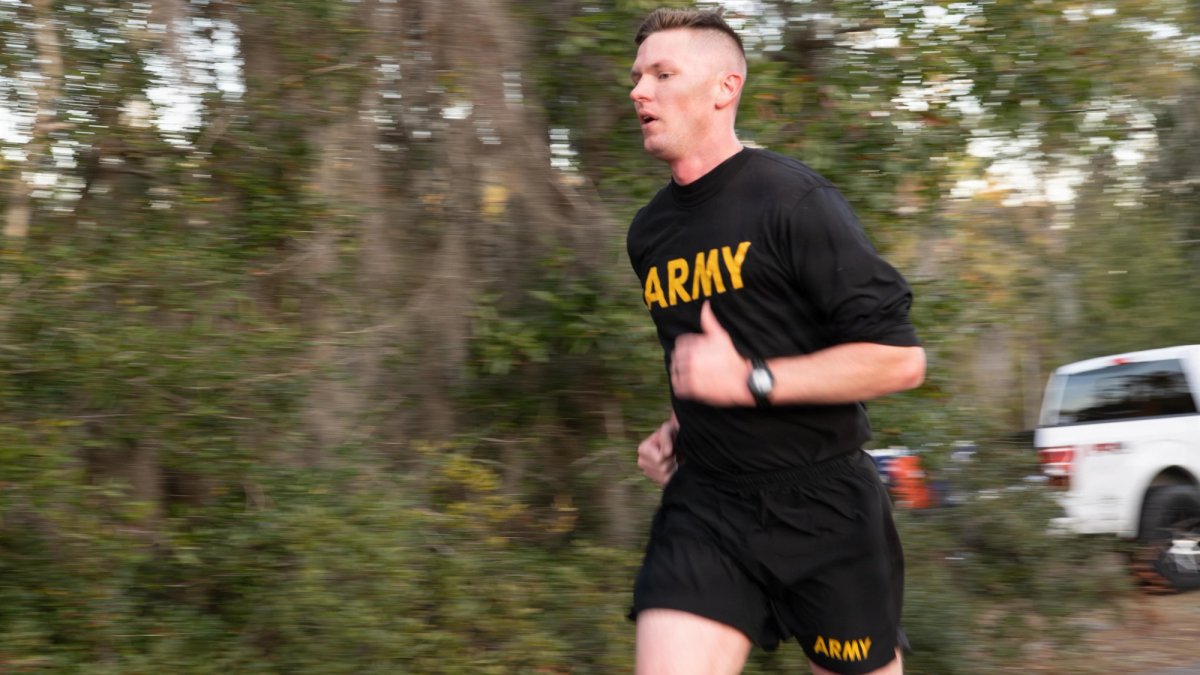
The warning signs usually show up before the failed score does. For many service members, the realization doesn’t hit during a briefing or a medical check-up; it hits during the final half-mile of a timed run or the last set of a grueling PT session. You feel that "huffing and puffing" more than you should, stopping to walk when you used to keep a running pace, or noticing that the recovery time between high-intensity intervals is dragging out longer than it used to.
Whatever the effect, you know in your gut that your current routine—specifically your nicotine use—is taking its toll on your overall readiness and ability to breathe freely.
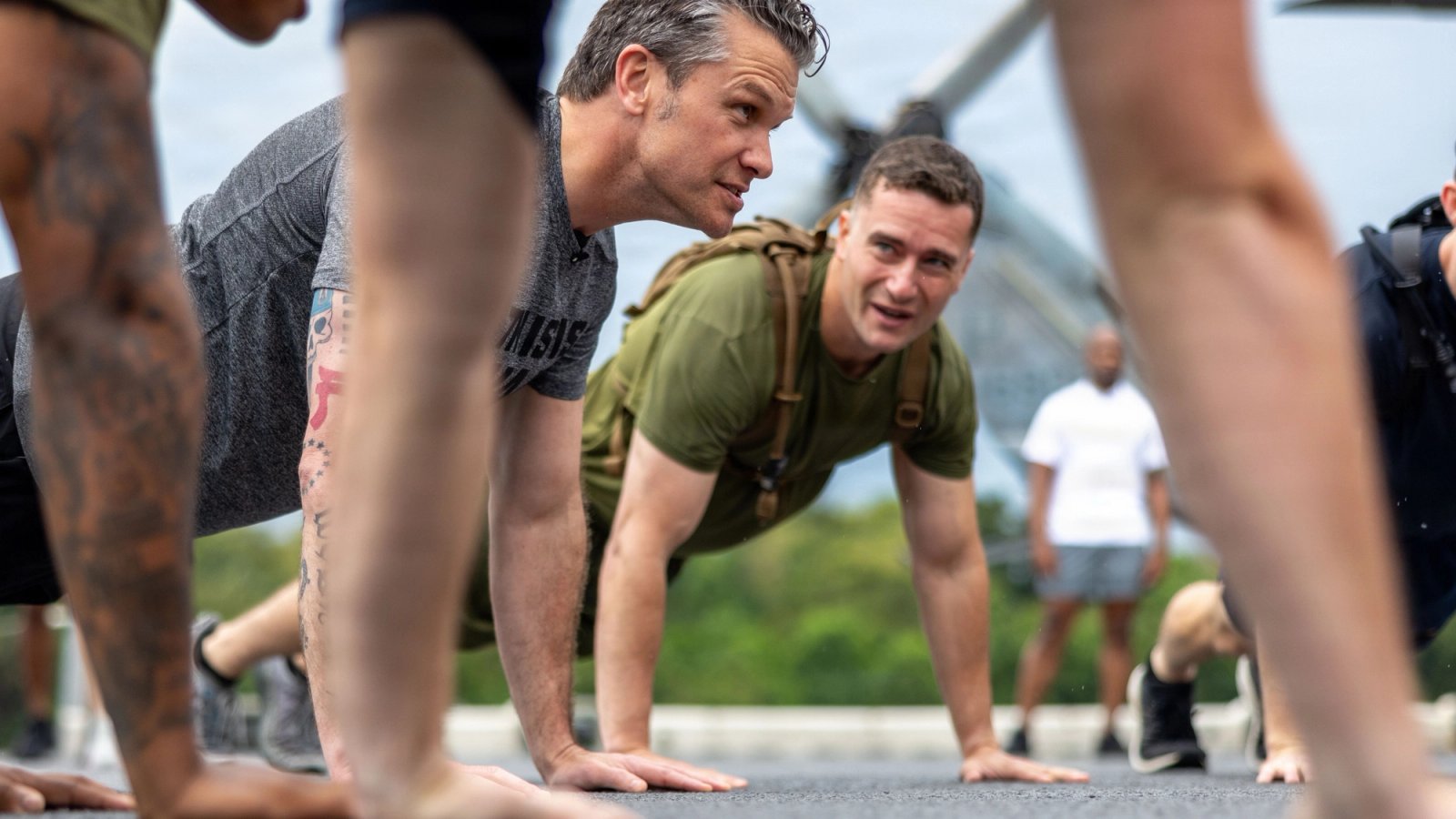
Nicotine use remains deeply embedded in military culture, from the vape after formation to the dip packed in before a field exercise. At the same time, the standard for physical performance has shifted. With the implementation of the ACFT, PFT, and AFT, the military is looking for higher levels of endurance, explosive power, and sustained physical readiness. Across the force, more troops are starting to ask a vital question: What if the habit helping you get through the day is also what’s hurting your performance?

The Hidden Cost of the Nicotine Routine
Research suggests nicotine may negatively affect cardiovascular efficiency, sleep quality, and overall endurance—all of which directly influence your performance on the field. Troops usually notice it during recovery before they notice it during the run itself. Your breathing settles more slowly, your legs stay heavy longer, and by the final event, performance starts slipping in ways that are hard to explain.
1. Cardiovascular Restriction and Oxygen Exchange
Nicotine is a potent vasoconstrictor. It stimulates the nervous system and constricts blood vessels, which can significantly reduce blood flow and oxygen delivery during periods of physical exertion.
According to the Centers for Disease Control and Prevention and the American Heart Association, nicotine raises heart rate and blood pressure, increasing cardiovascular strain even when you aren't active. For a service member, this means you are entering your fitness test with a "taxed" system before the first whistle even blows. Your body starts working harder for the same output, meaning fatigue arrives earlier and lingers longer.
2. The Recovery Gap
Fitness tests are cumulative. What happens between the deadlift and the sprint-drag-carry matters just as much as the events themselves. Nicotine keeps your heart rate elevated longer after exertion, slowing your body’s return to its baseline "rest" state.
You feel it in slightly slower transitions and less energy heading into the next movement. For those sitting near the minimum standards, these small margins matter—not just physically, but financially, as a bad score can impact promotion opportunities for years.
3. The Sleep Saboteur
Perhaps the most overlooked impact of nicotine is what it does to your recovery while you sleep. According to the National Institutes of Health, nicotine use is associated with fragmented and reduced restorative sleep. It interferes with deep sleep and REM cycles, which are critical for hormone regulation and muscle repair.
You might get eight hours in the rack, but if your body isn't entering deep recovery, you are waking up with cumulative fatigue that bleeds into your training, mood, and focus.

Why Quitting Nicotine Gets Complicated In the Military
Nicotine is woven into routines across the force in ways civilians often don’t fully understand. The habit is more than chemical dependency; it’s camaraderie, situational routine, and often, a brief escape from stress. Quitting nicotine is frequently framed as a "loss"—a loss of a ritual or a loss of focus.
Dealing with irritability, cravings, and disrupted routines can feel especially difficult during demanding training schedules or operational environments. However, for troops trying to move away from nicotine without abruptly losing the ritual attached to it, cold turkey isn't the only option.
Finding a Better Alternative With BaccOff and THRiYV
If your next fitness test is approaching and your performance has stalled despite consistent effort, it may be time to look beyond your training plan. As a proudly American-made product, BaccOff provides specific benefits tailored to the tactical athlete with their New Energy Nootropic Pouches—THRiYV.
While BaccOff is widely known as a realistic bridge for service members looking to replace their dip or pouch habit, their THRiYV line is uniquely formulated for high performance. It allows you to keep the oral ritual you’re used to while replacing a performance inhibitor with a performance enhancer.
The THRiYV Tactical Loadout: Breaking Down the Formula
The power of THRiYV lies in its specific blend of ingredients, designed to support the unique demands of military life—from 12-hour maintenance shifts to high-stakes PT assessments.
- Caffeine: Provides the immediate alertness required for early morning formations or overnight watch rotations.
- Alpha GPC: A powerful nootropic formulated to support cognitive "locked-in" focus. For a tactical athlete, this means better mental clarity during complex movements or precision tasks.
- L-Theanine & L-Tyrosine: These amino acids work in tandem with caffeine to smooth out the energy curve. They support focus without the "jitters" or the stomach acidity common with field-expedient energy drinks.
- B-Vitamin Complex: Provides the essential building blocks for sustained energy production and metabolic health.
Instead of the cardiovascular restriction of nicotine, THRiYV pouches provide a new form of energy formulated to support cognitive clarity and physical readiness without sacrificing your VO2 max.
This isn’t about miracle products or overnight transformation. It’s about removing a physical barrier that has been limiting your physical readiness without you fully realizing it. It is entirely possible to boost your performance by allowing your body’s natural recovery processes to function without the interference of nicotine.
Consider it a strategic upgrade to your daily loadout. BaccOff is American-made and proudly offers dedicated discounts for military and first responders ready to upgrade their routine and maximize their scores.
This article is a result of a collaboration with BaccOff.
Legal & Regulatory Compliance Note: These statements have not been evaluated by the Food and Drug Administration. THRiYV Energy is intended to support cognitive energy and focus; it is not a cure or treatment for any medical condition.
Continue Reading

How to Cast Your Military Absentee Ballot: Step-by-Step Guide for Service Members
Planning Your Military Career? Why You Should Lock in Life Insurance Early
Free Wi-Fi in the Barracks is Finally Here (And the Marines Got It First)
Join the Conversation

Natalie Oliverio
Veteran & Senior Contributor, Military News at MyBaseGuide
Natalie Oliverio is a Navy Veteran, journalist, and entrepreneur whose reporting brings clarity, compassion, and credibility to stories that matter most to military families. With more than 100 publis...
Natalie Oliverio is a Navy Veteran, journalist, and entrepreneur whose reporting brings clarity, compassion, and credibility to stories that matter most to military families. With more than 100 publis...
Credentials
- Navy Veteran
- 100+ published articles
- Veterati Mentor
Expertise
- Defense Policy
- Military News
- Veteran Affairs
SHARE: